


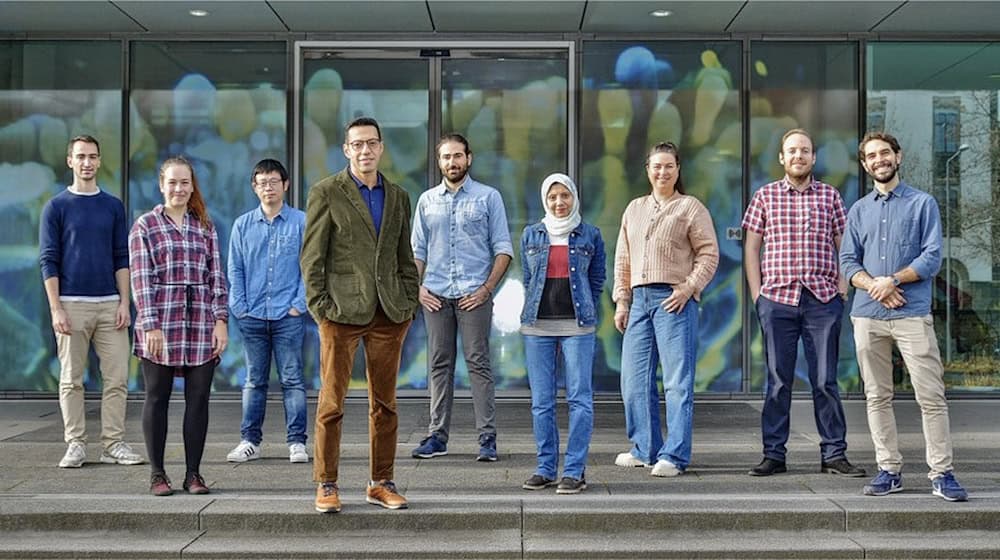
Cancer cells are survival artists. They trick the body, escape programmed cell death and tap into new sources of energy at the same time. Researchers at TU Dresden have now discovered how the two are connected. Their discovery could make new cancer therapies safer.
The study by the Mildred Scheel Junior Research Group led by Dr. Mohamed Elgendy focuses on the protein MCL1. This protein is found in large quantities in many tumors. Until now, MCL1 has mainly been regarded as a protective shield for cancer cells. It prevents apoptosis, a type of self-destruction program that normally causes diseased cells to die.
Protein has a dual function
The Dresden researchers have now revealed something new in the journal Nature Communications. MCL1 not only protects tumor cells from death. It also actively intervenes in their energy balance. The protein influences mTOR, a central switch in the metabolism of cells.
"Our results show that MCL1 is much more than just a survival factor for tumor cells," says Dr. Mohamed Elgendy. "The protein actively intervenes in central metabolic and growth signaling pathways and thus links two fundamental cancer mechanisms." This finding changes our understanding of how cancer works. Two typical features of tumors are apparently linked via MCL1. This opens up new approaches for therapies.
Solution found for dangerous side effects
Pharmaceutical companies are currently developing drugs to block MCL1. However, several clinical trials had to be discontinued. The drugs caused severe damage to patients' hearts. The Dresden researchers have now clarified why this happens. They found a molecular mechanism that explains the cardiac toxicity.
Even more important is the practical solution. The team developed a nutritional approach that can significantly reduce heart damage. This protective effect was tested in a special mouse model. "This outstanding research work is an example of how excellent basic research can create direct benefits for our cancer patients," says Prof. Uwe Platzbecker, Medical Director of the University Hospital Dresden.
The identification of the mechanism and the development of the protective approach could now pave the way for safer therapies.
The study was carried out in collaboration with research groups from the Czech Republic, Austria and Italy. Nature Communications selected the work as one of the 50 best current cancer studies.

