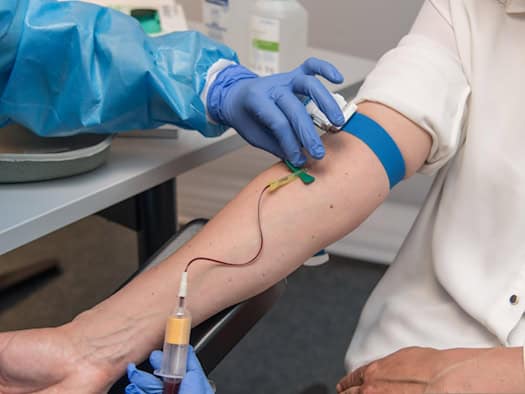
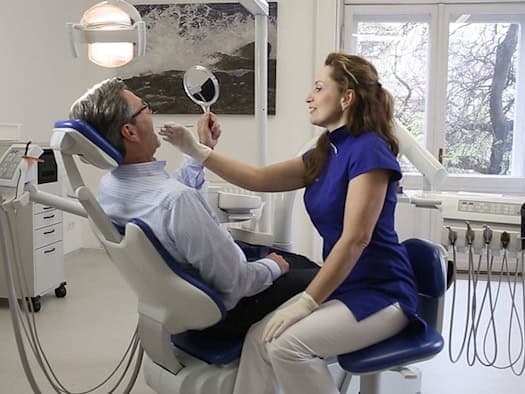
A slightly elevated blood level, but no symptoms. Nevertheless, many people with mild hypothyroidism take levothyroxine for years. A study conducted in Dresden, Leipzig, and Cottbus is now investigating whether the medication can be safely discontinued in many cases. | more
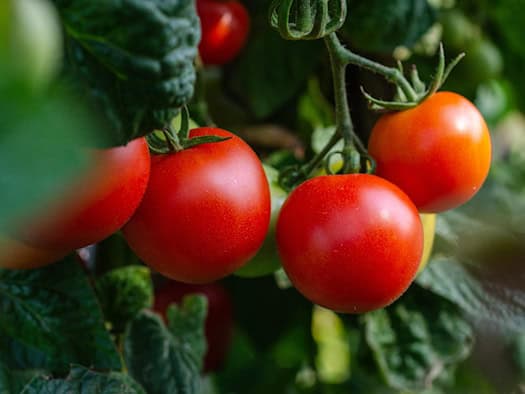
Heat waves take a toll on tomato plants. Flowers and young fruits are particularly affected. An international team, including researchers from TU Dresden, has now investigated how hormones influence the heat tolerance of tomato pollen. This is an important step toward developing climate-resilient crops. | more
Die Ostsächsischen Maschinenbautage widmen sich am 28. und 29. Oktober dem Thema „Robotik im Maschinenbau“ und zeigen, wie Automatisierung und Nachhaltigkeit für kleine und mittlere Unternehmen zusammengehen. Nutzen Sie Kolloquium, Kooperationsbörse und Unternehmensbesichtigungen, um wertvolle Kontakte zu knüpfen und die grüne Zukunft des Grenzraums mitzugestalten. | more
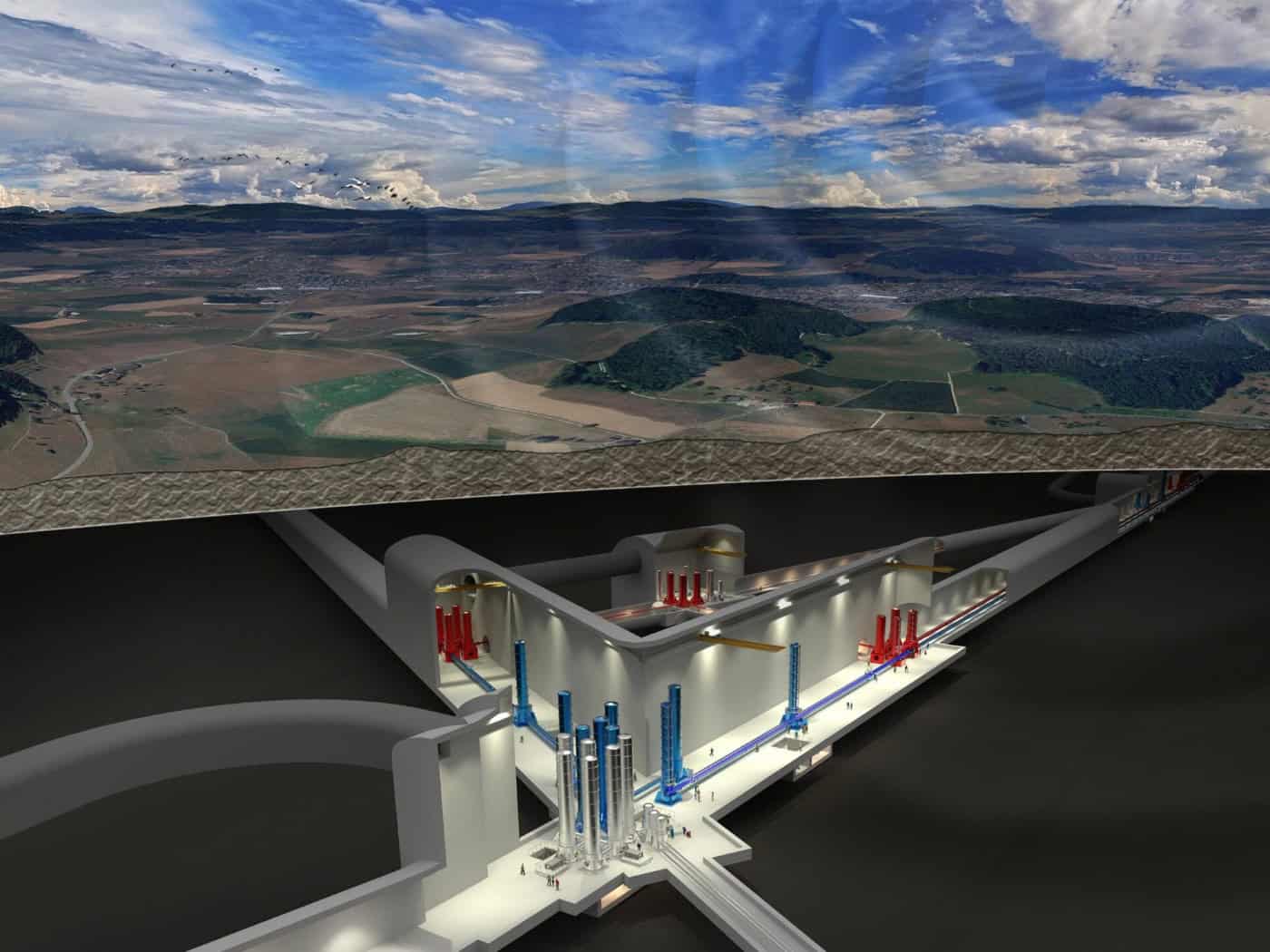
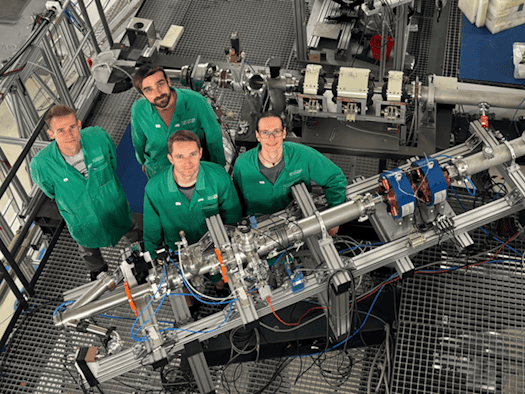
Everything around us is made up of hydrogen and helium, which were formed in the first few minutes after the Big Bang. A new experimental facility is now beginning operations at TU Dresden to study precisely this early phase of the universe in the laboratory. | more
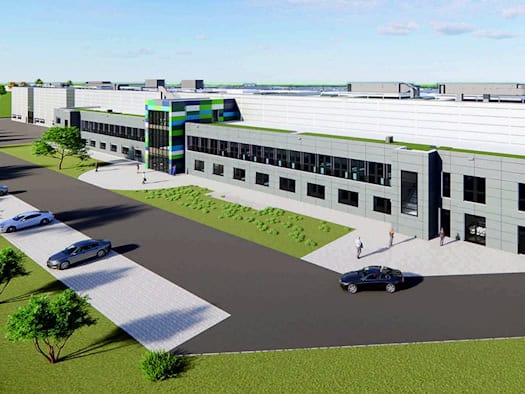
CircEcon, a unique research facility for recycling and the circular economy, is being built in Schwarze Pumpe. Four universities in Saxony are at the heart of the construction project and are demonstrating how waste from the aviation industry and wind turbines can be turned back into valuable raw materials. | more
Why do we make certain decisions? A research team from Dresden, Berlin, and Basel is using large language models to uncover the reasons behind our everyday and major decisions. | more
Schon wieder zu viel gegessen oder eine wichtige Aufgabe aufgeschoben? Oft reagieren wir auf solche Verhaltensweisen mit Selbstkritik. Doch damit bekämpfen wir meist nur das sichtbare Symptom – und übersehen, was wir in diesem Moment wirklich brauchen. | more
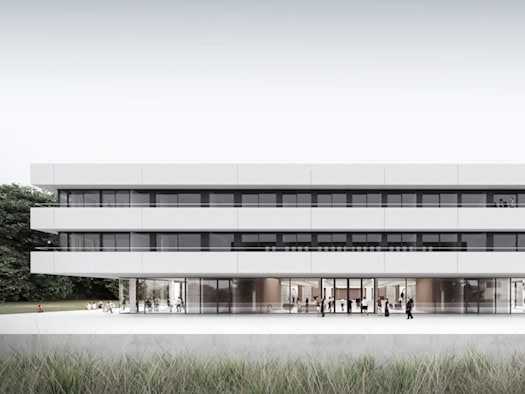
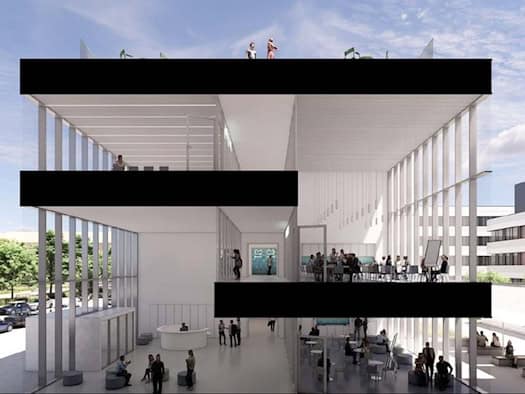
A new research building for digital sciences is being constructed at TU Dresden. In the future, up to 600 people are expected to work there on topics such as artificial intelligence and high-performance computing. The EU and the Free State of Saxony are investing 101 million euros. | more
Researchers at the NCT/UCC in Dresden, working with an international team, have developed proteins that glow inside the body. The light they emit penetrates deeper into tissue than ever before. The discovery could help detect cancer cells more precisely during surgery. | more
Gute Nachrichten tun gut. In unserem freitäglichen Good Newsletter bündeln wir die Geschichten, die Mut machen, inspirieren und zeigen, was in Sachsen vorangeht. Jetzt abonnieren und positive Nachrichten direkt ins Postfach bekommen. | more
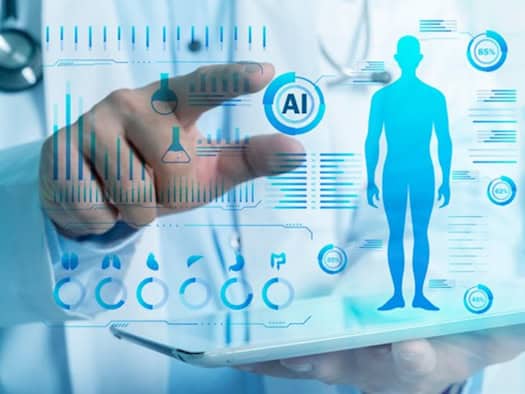
An AI agent that independently analyzes patient records, orders tests, and prepares diagnoses: Researchers at TU Dresden and the University Hospital have developed MIRA. In a series of tests, the system even surpassed doctors in diagnostic accuracy. | more
AI programs like ChatGPT can simulate anxiety, sadness, and stress and respond to breathing exercises. Researchers at TU Dresden are demonstrating how large language models could serve as a new tool in psychology. | more
In jedem Verein, in jeder Straße, in jedem Treppenhaus gibt es diesen einen Menschen, der einfach da ist – ohne Bezahlung, ohne Applaus, oft ohne ein einziges Dankeschön. DIE SACHSEN NEWS startet eine neue Serie und sucht genau diese Menschen: Sachsens Alltagshelden. Und die Chancen stehen gut, dass Sie selbst schon eine oder einen kennen. | more
Children born prematurely are diagnosed with autism far more often than those born at term. Yet this group has received relatively little attention in research so far. The EU-funded project MICRO-NEST aims to change that. With the involvement of TU Dresden, researchers are searching for biological clues that could point to autism long before a diagnosis is made. | more
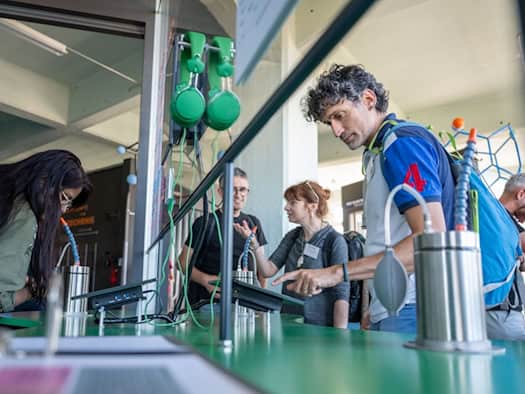
Dogs can sniff out cancer, rats can detect tuberculosis. Scientists in Dresden want to recreate in machines what animals can do with their noses. A new exhibition at the Technische Sammlungen Dresden shows for the first time how far this research has already progressed. | more
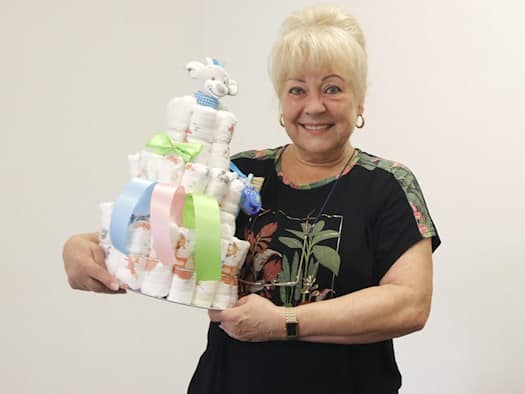
In Dresden-Pieschen fertigt Andrea Rehn im Zentralwerk personalisierte Geschenke für frischgebackene Eltern und deren Familien. Besonders gefragt sind bestickte Windeln mit Geburtsdaten sowie kreative Windeltorten – und das nicht nur online, sondern auch deutschlandweit über DM-Märkte. Jetzt gibt es 10 Prozent Rabatt im Shop. | more
Detecting leukemia relapses before they become visible: A long-term study from Dresden shows how molecular blood tests could transform blood cancer treatment. | more
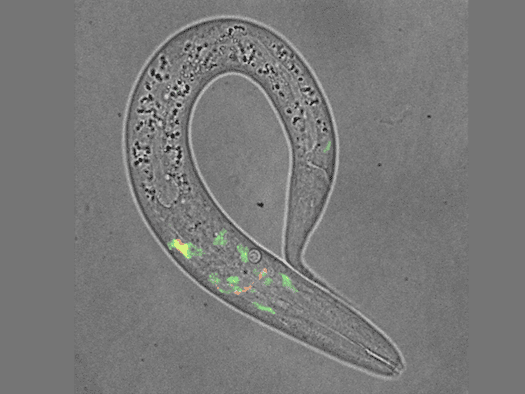
A hormone, a nerve cell, a tiny worm: researchers at TU Dresden have discovered how the hormone somatostatin may influence memory, metabolism and lifespan through sleep. | more
Zahnbehandlungen können in Deutschland schnell zur finanziellen Belastung werden. Besonders bei Implantaten, Kronen, Brücken oder umfangreichem Zahnersatz liegen die Kosten häufig im vierstelligen Bereich. Viele Patienten stehen dann vor einer schwierigen Entscheidung: Behandlung durchführen lassen und hohe Eigenanteile zahlen – oder den Eingriff aufschieben, obwohl er medizinisch sinnvoll wäre. | more
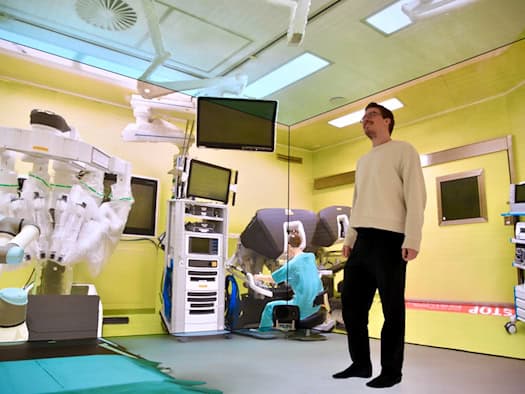
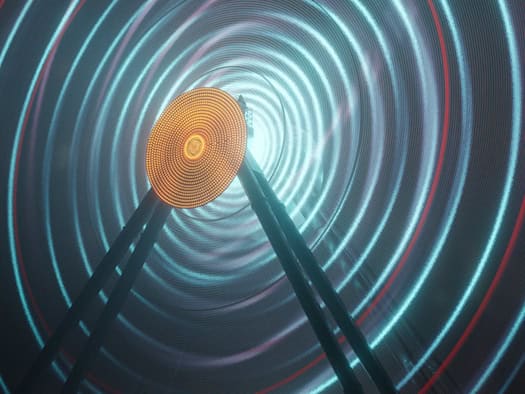
A factory hall, an operating theater, a foreign city — all of it virtual, and all of it at TU Dresden. The university’s new holodeck allows several people to experience the same digital world at once. At the same time, a newly opened quantum lab is exploring how future communication networks could become faster and more secure. | more
When atoms in a crystal rotate, they follow the same laws of nature as a carousel. But at the atomic level, something unusual happens: the angular momentum can reverse direction. Physicists from Dresden have now observed this effect directly for the first time — providing new insight into a physics question that has puzzled researchers for more than 100 years. | more
Die Ostsächsischen Maschinenbautage widmen sich am 28. und 29. Oktober dem Thema „Robotik im Maschinenbau“ und zeigen, wie Automatisierung und Nachhaltigkeit für kleine und mittlere Unternehmen zusammengehen. Nutzen Sie Kolloquium, Kooperationsbörse und Unternehmensbesichtigungen, um wertvolle Kontakte zu knüpfen und die grüne Zukunft des Grenzraums mitzugestalten. | more
Diatoms are encased in rigid glass-like shells — yet they can still move with remarkable agility. Researchers at B CUBE at TU Dresden have now discovered how they do it. The mechanism is surprisingly simple and could one day inspire the development of tiny machines. | more
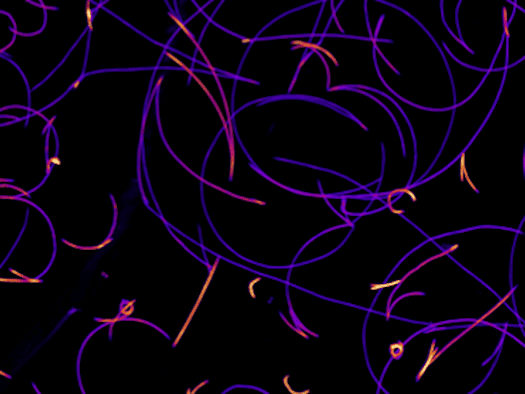
A new research center dedicated to one of humanity’s oldest questions is set to be built in Dresden: How does life organize itself? Germany’s Science Council has recommended funding of up to €77 million for the project, with construction scheduled to begin in 2027. | more
Schon wieder zu viel gegessen oder eine wichtige Aufgabe aufgeschoben? Oft reagieren wir auf solche Verhaltensweisen mit Selbstkritik. Doch damit bekämpfen wir meist nur das sichtbare Symptom – und übersehen, was wir in diesem Moment wirklich brauchen. | more
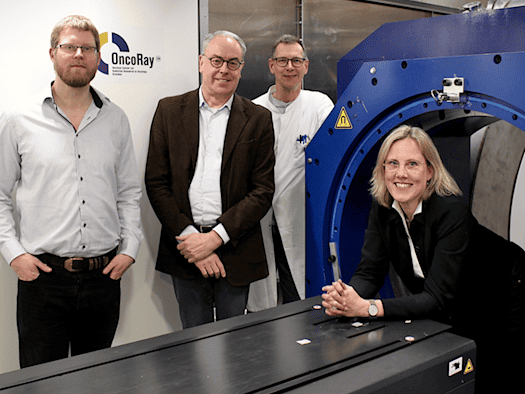
Irradiating a tumor while it moves with every breath is one of the major challenges in cancer treatment. Researchers in Dresden are working to solve this problem using a globally unique device and €1.1 million in research funding. | more
Gut bacteria could help make cancer therapies more effective. The international METRICs project, led by TU Dresden, is exploring this with around €2 million in funding and partners across three continents. | more
Gute Nachrichten tun gut. In unserem freitäglichen Good Newsletter bündeln wir die Geschichten, die Mut machen, inspirieren und zeigen, was in Sachsen vorangeht. Jetzt abonnieren und positive Nachrichten direkt ins Postfach bekommen. | more
AI is increasingly helping in hospitals. However, a study from Dresden shows that errors are often caused by the way the technology is used. A guide aims to change this. | more
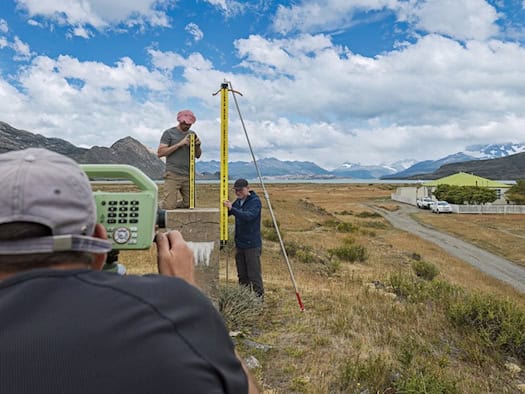
The ice in Patagonia is disappearing due to climate change. Researchers from Dresden and Leipzig are now using high-precision technology to measure how quickly this is happening. | more
In jedem Verein, in jeder Straße, in jedem Treppenhaus gibt es diesen einen Menschen, der einfach da ist – ohne Bezahlung, ohne Applaus, oft ohne ein einziges Dankeschön. DIE SACHSEN NEWS startet eine neue Serie und sucht genau diese Menschen: Sachsens Alltagshelden. Und die Chancen stehen gut, dass Sie selbst schon eine oder einen kennen. | more
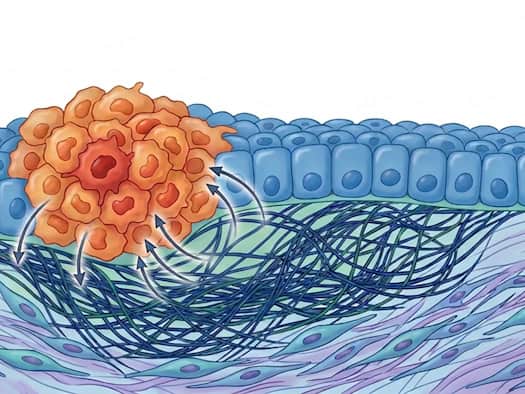
Why do some tiny tumors survive while others disappear? Researchers from Dresden and Cambridge have a surprising answer: cancer cells build their own protective zone. | more
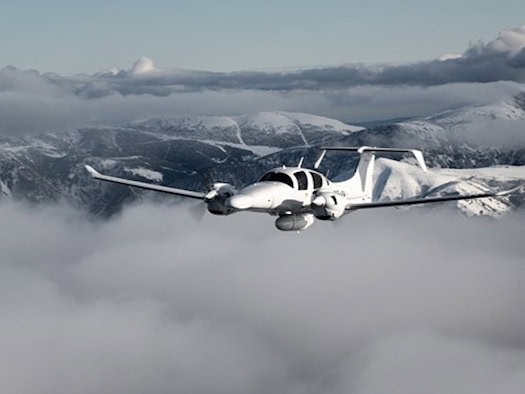
Flying without kerosene – is that possible? In Kamenz, TU Dresden is testing how climate-friendly propulsion systems perform in real flight. A new research aircraft aims to bridge the gap between lab experiments and real-world use. | more
In Dresden-Pieschen fertigt Andrea Rehn im Zentralwerk personalisierte Geschenke für frischgebackene Eltern und deren Familien. Besonders gefragt sind bestickte Windeln mit Geburtsdaten sowie kreative Windeltorten – und das nicht nur online, sondern auch deutschlandweit über DM-Märkte. Jetzt gibt es 10 Prozent Rabatt im Shop. | more
The two-degree target is widely seen as a safeguard against the worst impacts of climate change. But researchers from Leipzig and Dresden warn this confidence may be misplaced. Their study shows that extreme impacts – from droughts and wildfires to urban flooding – are possible even at moderate warming. | more