


Recycling research facility in Schwarze Pumpe takes shape
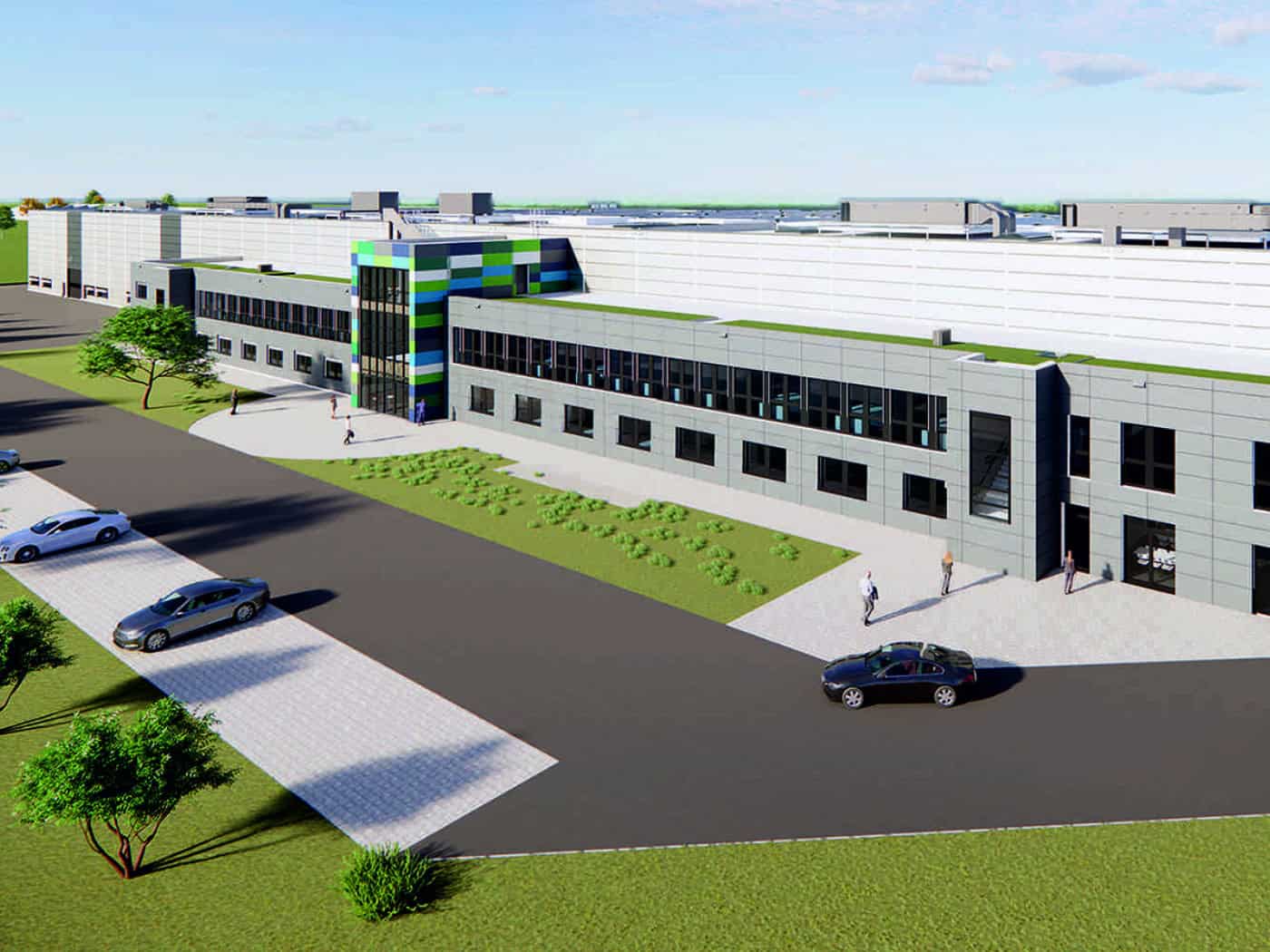
The buildings are visibly rising, and at the same time, the first research facilities are already being procured. At the Schwarze Pumpe industrial site, CircEcon – one of the largest research projects related to structural change in Lusatia – is taking shape. Four universities in Saxony are collaborating there to develop processes for more effective recycling of complex products from the aviation, rail vehicle manufacturing, and wind turbine industries. The goal is a circular economy that also functions on an industrial scale.
The Zittau/Görlitz University of Applied Sciences (HSZG), the Technical University of Dresden, the Technical University of Chemnitz, and the Technical University Bergakademie Freiberg are working closely together on the CircEcon project to achieve this. In the research facility, they are developing new processes that allow old products to be dismantled, sorted, and processed into new raw materials step by step. Materials consisting of metals, plastics, and fibers that are firmly bonded together pose a particular challenge. The researchers aim to develop new solutions specifically for this purpose.
Construction work is progressing well
Preparations are also in full swing at Zittau/Görlitz University of Applied Sciences. The first research facilities are being put out to bid, additional projects are being planned, and new partners are being recruited. The goal is for the research factory to begin operations as quickly as possible once it is completed.
For project leader Prof. Tobias Zschunke, CircEcon is an example of how four universities can successfully pool their strengths. "At HSZG, researchers, project managers, and administrators are working closely together to ensure that a research factory of the future for the region can be established in Schwarze Pumpe."
From Waste to New Raw Materials
Zittau/Görlitz University of Applied Sciences is taking on several key tasks within the material cycle. First, machines will automatically disassemble end-of-life products and extract reusable components. Intelligent sensor systems will then identify different materials and sort them, for example, into aluminum, plastic, or other materials.
Researchers at TU Dresden and TU Chemnitz will then process the separated plastics into new, high-quality recycled materials. Materials that can no longer be sorted are processed thermochemically. This process produces, among other things, high-energy gases and solid carbon, which can be reused. The goal is to keep as many components of a product as possible within the cycle, thereby significantly reducing the use of new raw materials.
The universities are working closely with companies in the region on this. Together, they are developing new machines and processes that can later be used in industry as well.
“I’m pleased that we’ve succeeded in bringing on board companies that view recycling as important as we do. This is where the spirit of research meets the solution-oriented pragmatism of suppliers, giving rise to innovative systems,” says Jens Friedrich, professor of environmental and recycling engineering at HSZG and head of the dismantling division in the CircEcon project.

