The sweater or jacket has been cut to size. But what happens to the leftover fabric? The textile industry generates many metric tons of these scraps every year. Two female entrepreneurs from Leipzig have an idea for a better solution. They received support from Chemnitz University of Technology. | more
CircEcon, a unique research facility for recycling and the circular economy, is being built in Schwarze Pumpe. Four universities in Saxony are at the heart of the construction project and are demonstrating how waste from the aviation industry and wind turbines can be turned back into valuable raw materials. | more
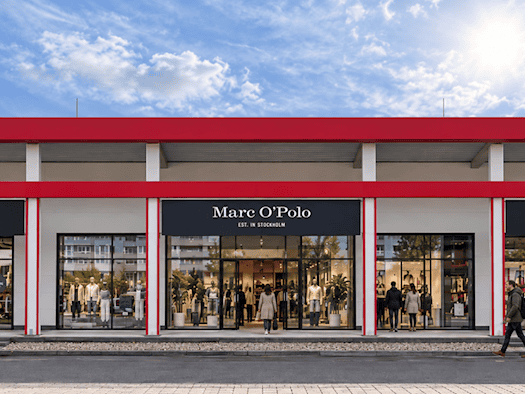
Neue Kollektionen, neue Outlets und attraktive Angebote: In Schwarzheide-Mitte gibt es jetzt viel zu entdecken. Die Schulferien sind die ideale Gelegenheit, mit Familie oder Freunden durch die Shops zu bummeln und neue Lieblingsstücke für die kühleren Tage zu finden. | more
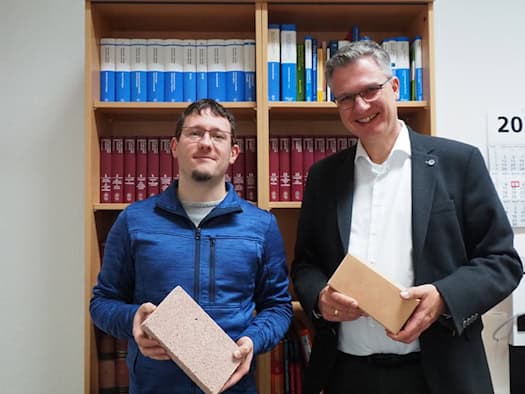
Turning brick rubble and mining waste into a building material that insulates, does not burn and can be recycled again and again. Researchers at TU Bergakademie Freiberg have done exactly that. Their manufacturing process has now been granted a European patent. | more
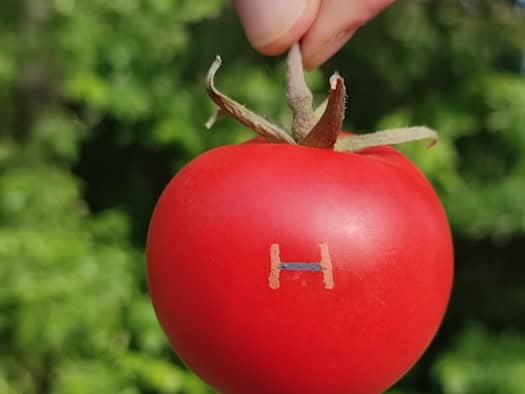
Magnetic field sensors can be found in almost every device we use every day. But many contain problematic metals such as nickel or cobalt. Researchers at the Helmholtz-Zentrum Dresden-Rossendorf have now developed printed sensors made from iron, cellulose and beeswax that can later dissolve in a controlled way. | more
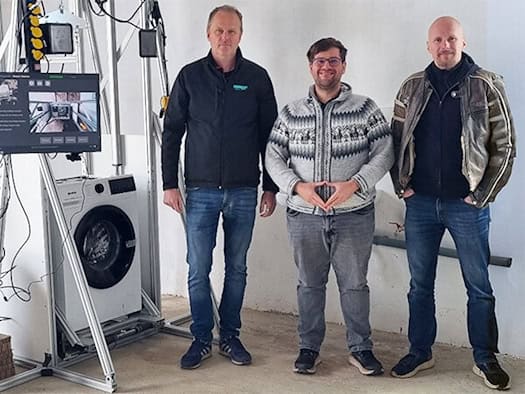
Just throw away old washing machines? That may soon no longer be necessary. Researchers at Chemnitz University of Technology have developed a station that guides workers through the dismantling of appliances step by step using AI and digital instructions. Why this matters for the circular economy — and how far the technology has already come. | more
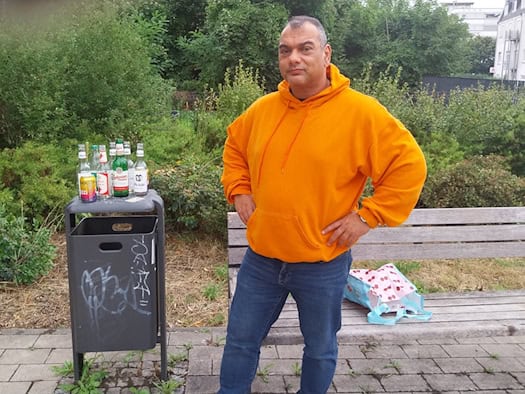
Auf dem Weg zur Arbeit, beim Spaziergang durch Dresden oder beim Warten auf die nächste Bahn – überall können sie liegen: leere Pfandflaschen und Dosen. Für die meisten sind sie Müll, für andere ein kleiner Schatz. Genau daraus macht Pfandpirat eine digitale Schatzsuche, bei der Nutzer Fundorte entdecken, selbst Flaschen melden, Punkte sammeln und gemeinsam auf die Jagd gehen können. Hinter der ungewöhnlichen Idee steckt der Dresdner Sammy Zimmermanns. Wie aus herumliegenden Pfandflaschen ein echtes Spiel für die Stadt geworden ist, lesen Sie hier. | more
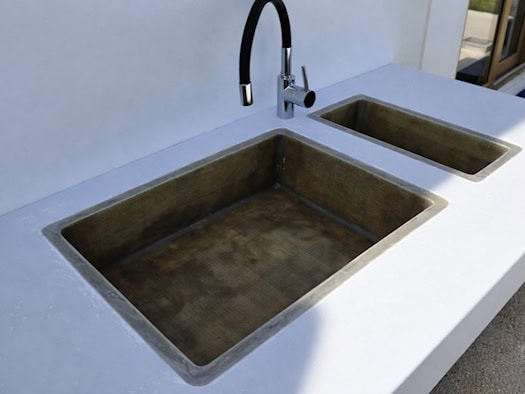
Wind turbines produce clean electricity. But what happens to their huge rotor blades when they are no longer needed? Researchers at HTWK Leipzig have a surprising answer: they turn them into a kitchen. An EU research project shows how this works and what's behind it. | more
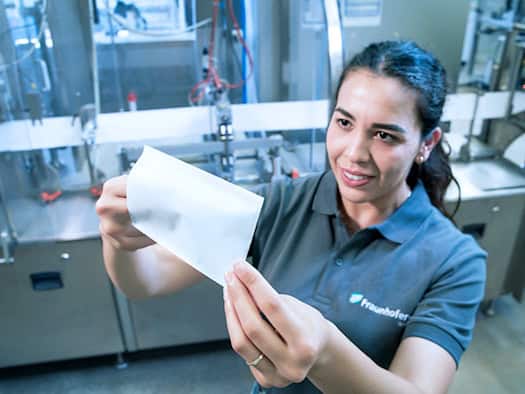
Paper packaging is considered the better choice. It is more sustainable, recyclable and environmentally friendly than plastic. But they still have one problem: they need adhesives or layers of plastic to seal them, which makes recycling more difficult. Researchers in Dresden want to change this - with a laser that creates its own adhesive in the paper. | more
Gute Nachrichten tun gut. In unserem freitäglichen Good Newsletter bündeln wir die Geschichten, die Mut machen, inspirieren und zeigen, was in Sachsen vorangeht. Jetzt abonnieren und positive Nachrichten direkt ins Postfach bekommen. | more
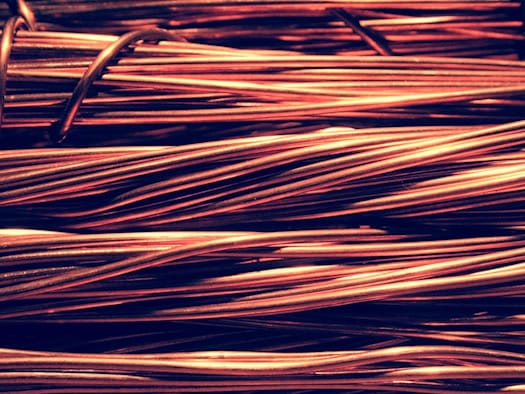
Extracting copper from waste - with the help of bacteria and electron beams. What sounds like a crazy idea is reality. The Fraunhofer FEP in Dresden is running a new plant that combines the two. The yield increases, the waste shrinks. A look at a technology that could change the supply of raw materials. | more
The old car may soon be in the next new car. Researchers at TU Bergakademie Freiberg have teamed up with the BMW Group to investigate how steel, glass and plastic from end-of-life vehicles can be reused as high-quality raw materials. It is already working for steel - more research is needed for glass and plastic. What the Car2Car project shows and why this is important for our climate. | more
In jedem Verein, in jeder Straße, in jedem Treppenhaus gibt es diesen einen Menschen, der einfach da ist – ohne Bezahlung, ohne Applaus, oft ohne ein einziges Dankeschön. DIE SACHSEN NEWS startet eine neue Serie und sucht genau diese Menschen: Sachsens Alltagshelden. Und die Chancen stehen gut, dass Sie selbst schon eine oder einen kennen. | more
Millions of tons of plastic waste from rapid tests - is that necessary? HTW Dresden says no and is developing tests made from biodegradable material. The plastic is made from plant starch and composts in 90 days. Researchers in Saxony want to create a sustainable alternative for medical diagnostics. | more
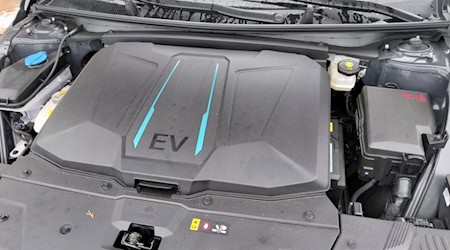
What happens to disused electric motors from electric cars? A new large-scale project aims to automatically recover valuable raw materials such as rare earths. TU Bergakademie Freiberg is developing new recycling processes for magnets. Robots are learning to dismantle drives. 25 partners are working on the circular economy for electromobility. | more
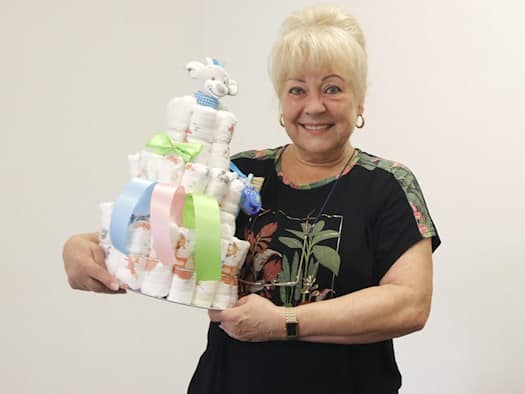
In Dresden-Pieschen fertigt Andrea Rehn im Zentralwerk personalisierte Geschenke für frischgebackene Eltern und deren Familien. Besonders gefragt sind bestickte Windeln mit Geburtsdaten sowie kreative Windeltorten – und das nicht nur online, sondern auch deutschlandweit über DM-Märkte. Jetzt gibt es 10 Prozent Rabatt im Shop. | more
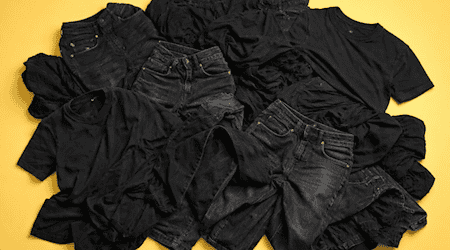
Black T-shirts and stretch jeans usually end up in waste incineration because sorting plants cannot recognize them. Researchers at the IOM in Leipzig want to change this. In a European project, they are developing new technologies with artificial intelligence that can also sort problematic textiles. The EU is funding the project with five million euros. | more
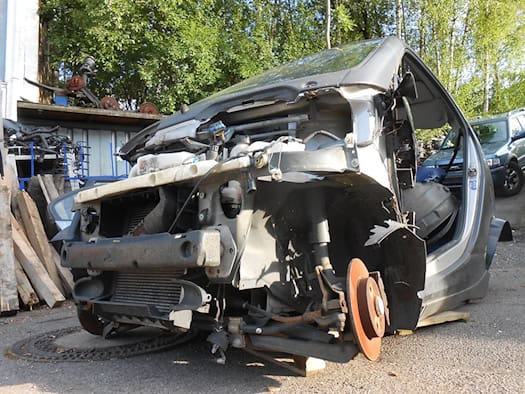
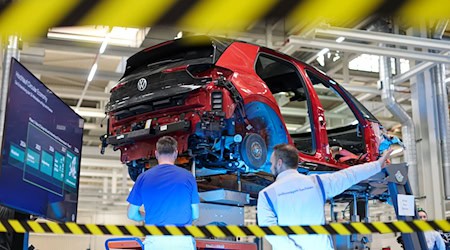
VW wants to lead the way in recycling in Zwickau: Old cars are dismantled in order to recover components and raw materials. What this means for the site. | more
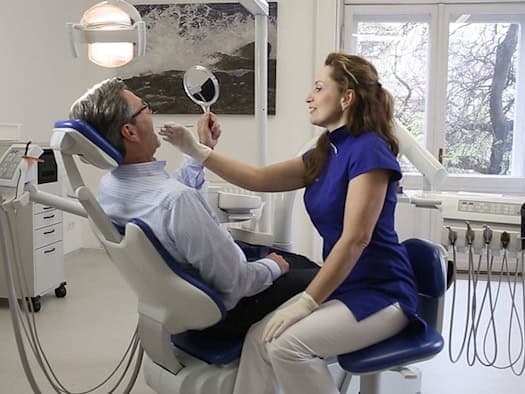
Zahnbehandlungen können in Deutschland schnell zur finanziellen Belastung werden. Besonders bei Implantaten, Kronen, Brücken oder umfangreichem Zahnersatz liegen die Kosten häufig im vierstelligen Bereich. Viele Patienten stehen dann vor einer schwierigen Entscheidung: Behandlung durchführen lassen und hohe Eigenanteile zahlen – oder den Eingriff aufschieben, obwohl er medizinisch sinnvoll wäre. | more
A special kind of camera is being developed at the Fraunhofer IPMS in Dresden: it combines artificial intelligence with spectral analysis to detect the chemical properties of materials. The compact technology makes quality checks in factories, recycling plants and fields faster, more precise and more sustainable. From fresh food to single-origin plastic recycling - the development opens up numerous applications. | more
Old cell phones and computers usually end up in the trash - but they contain valuable raw materials. A team from Freiberg has now developed a clever recycling process to recover gold, copper and rare earths. The six researchers from the Helmholtz Institute convinced an international jury and secured millions in funding. Their environmentally friendly process could help to reduce dependence on critical raw material imports. | more
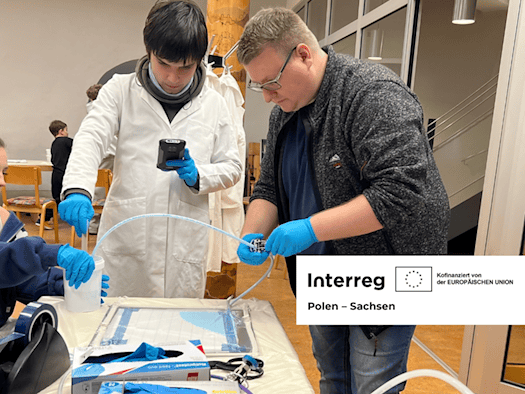
Nach zwei Jahren erfolgreicher Zusammenarbeit geht das INTERREG-Projekt „Grenzüberschreitende Experimentiergärten“ in die finale Phase. Am 4. November lädt das Technologie- und Gründerzentrum Bautzen zur Abschlusskonferenz „Impulse für die MINT-Bildung von morgen“ ein – ein Höhepunkt des Wissenschaftsjahres 2026. | more
A medium-sized company in eastern Saxony specializes in the recycling of bicycle batteries. The Free State of Saxony is supporting a new repair center. | more
A modified enzyme from Leipzig's South Cemetery decomposes plastic in record time and is said to be the solution to the plastic crisis. | more
Neue Kollektionen, neue Outlets und attraktive Angebote: In Schwarzheide-Mitte gibt es jetzt viel zu entdecken. Die Schulferien sind die ideale Gelegenheit, mit Familie oder Freunden durch die Shops zu bummeln und neue Lieblingsstücke für die kühleren Tage zu finden. | more
One year after a piece of forest near Ottendorf-Okrilla was cleared for gravel extraction, Left Party politician Antonia Mertsching has accused the authorities of serious negligence. | more