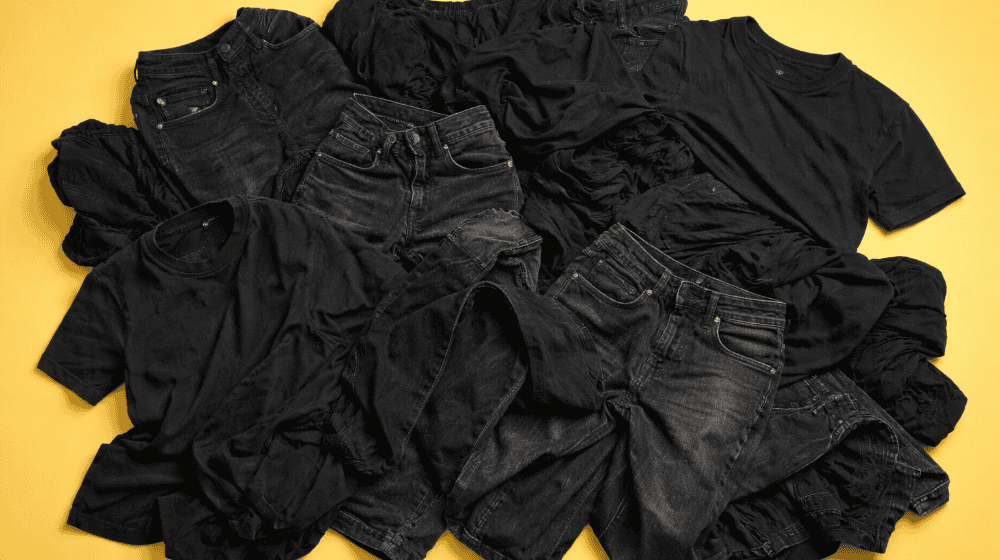
When you throw your old black T-shirt or washed-out jeans into the old clothes container, you usually think: It will be recycled. But the reality is different. Of the 12.6 million tons of textile waste generated in the EU every year, just 22 percent is reused or recycled. The rest ends up in waste incineration or landfill. As of this year, this is no longer permitted. The EU stipulates that used textiles must be collected separately and recycled. But there is a problem with this.
Modern sorting systems work with near-infrared technology, similar to the yellow garbage can. The machines recognize cotton, polyester or polyamide and sort the fabrics automatically. However, the technology fails with black textiles. Especially if they have been dyed with soot, they hardly reflect any light in the infrared range. The sorting machine remains blind. Elastic garments also cause difficulties. Just one to three percent elastane in a pair of jeans is enough to disrupt many recycling processes. The material can no longer be dyed after production and therefore has to be sorted out. However, the tiny quantities are barely detectable with today's technology.



Artificial intelligence to detect tiny quantities
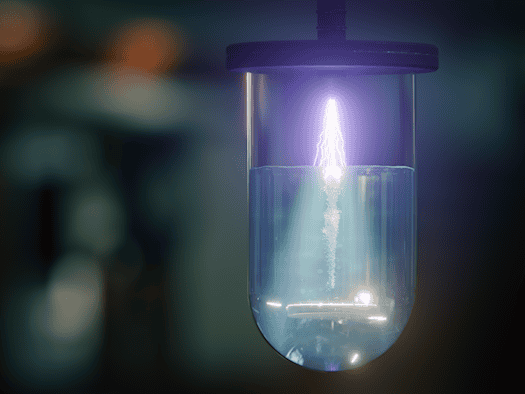
The scientists are relying on innovative techniques that have not previously been used in the sorting of textile waste. Artificial intelligence will help to reliably detect even the smallest components such as elastane. At the end of the project, the researchers are planning a demonstrator plant. This should combine various analytical processes and be able to sort textiles fully automatically. Regardless of color or additives. The sorted materials could then be efficiently recycled. In the best case scenario, new items of clothing are created from them. This would turn old textiles into new fashion again.