For thousands of students, the start of the semester at Saxony’s universities marks the beginning of a new adventure. In addition to business, law, and medicine, there are also some unusual degree programs. | more
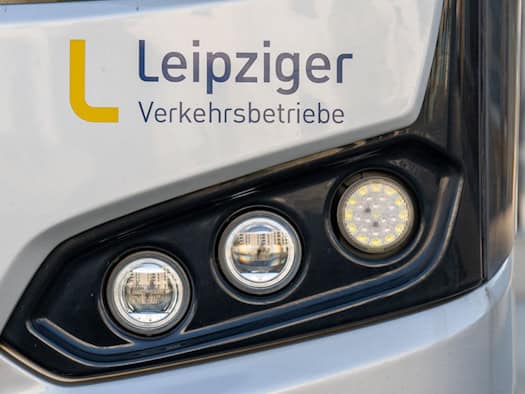
Thirty partners aim to lay the technical groundwork so that autonomous vehicles can be easily and safely integrated into public transportation. Leipzig’s public transit authority plays a special role in this effort. | more
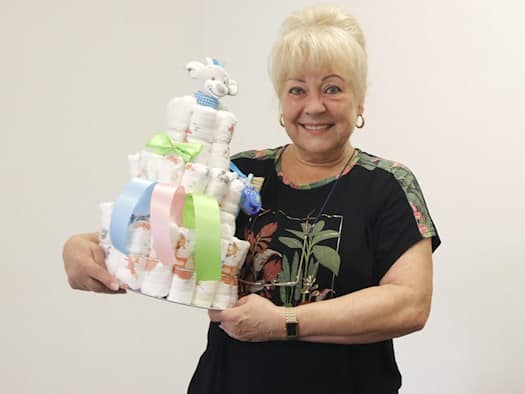
In Dresden-Pieschen fertigt Andrea Rehn im Zentralwerk personalisierte Geschenke für frischgebackene Eltern und deren Familien. Besonders gefragt sind bestickte Windeln mit Geburtsdaten sowie kreative Windeltorten – und das nicht nur online, sondern auch deutschlandweit über DM-Märkte. Jetzt gibt es 10 Prozent Rabatt im Shop. | more
How can small and medium-sized businesses grow with artificial intelligence? An expert explains why courage and simple solutions make all the difference. | more
More than 14 dishes, including vegan bowls and Kaiserschmarrn, are freshly prepared at the new robot restaurant at Leipzig Central Station—all without any human hands at the stove. | more
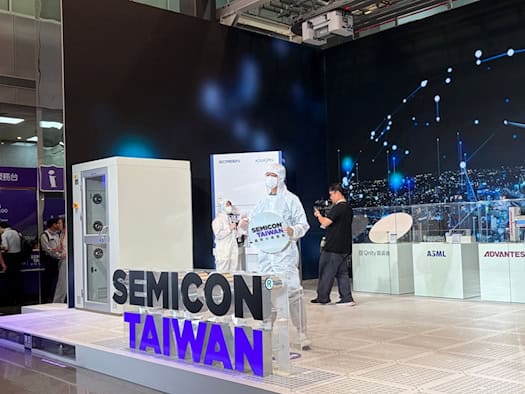
Taiwan is a leader in the production of all types of chips. In the high-tech race with other countries, Germany aims to leverage Taiwan’s expertise—with Saxony taking the lead. | more
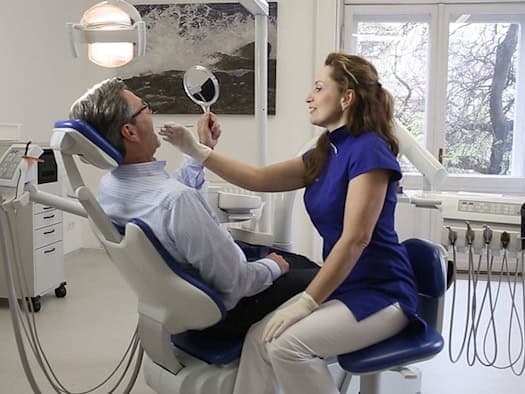
Zahnbehandlungen können in Deutschland schnell zur finanziellen Belastung werden. Besonders bei Implantaten, Kronen, Brücken oder umfangreichem Zahnersatz liegen die Kosten häufig im vierstelligen Bereich. Viele Patienten stehen dann vor einer schwierigen Entscheidung: Behandlung durchführen lassen und hohe Eigenanteile zahlen – oder den Eingriff aufschieben, obwohl er medizinisch sinnvoll wäre. | more
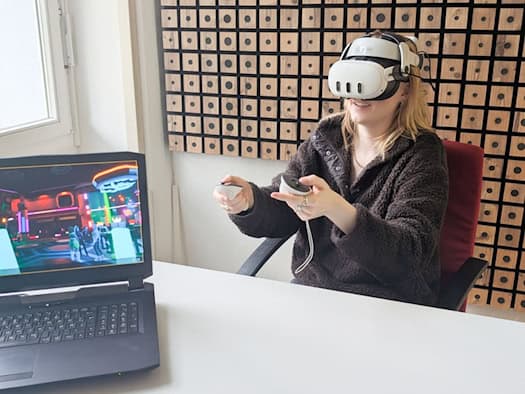
Celebrating together even when you're not in the same place – is that possible? Chemnitz University of Technology is investigating how social interaction can work during virtual live events. They are now looking for pairs of participants for a current VR study. | more
Europe's industrial sector is set to become less dependent on Asia. The Bitterfeld-Wolfen Chemical Park aims to capitalize on this trend and actively attract new investors. But space is running short. | more
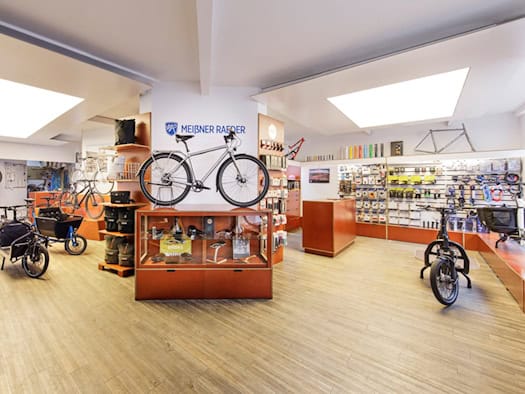
Morgens zur Arbeit, am Wochenende über Schotter oder eines Tages mit Gepäck bis ans andere Ende der Welt: Wer viel mit seinem Fahrrad vorhat, braucht eines, das genau zu einem passt. Meißner Raeder baut in Dresden Fahrräder nach Maß, die exakt zu ihrem Besitzer passen und auf seine Bedürfnisse abgestimmt sind. | more
Saxony is facing an aging population and a shortage of skilled workers. South Korea is focusing on digitalization and robotics. Could that also serve as a model for the Free State of Saxony? | more
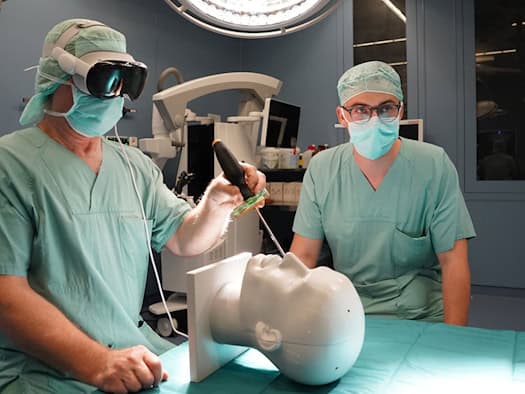
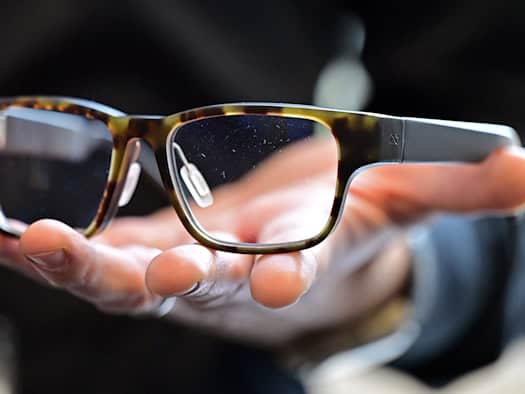
How Apple's Vision Pro smart glasses are helping surgeons worldwide perform surgeries more quickly and with less stress—and why Apple still has to wait for the billion-dollar market. | more
Das europäische Austauschprogramm Erasmus für Jungunternehmer eröffnet nicht nur sächsischen Gründern und etablierten Unternehmen neue internationale Perspektiven. Das TGZ Bautzen begleitet das Netzwerk auch künftig als erfahrener Partner. | more
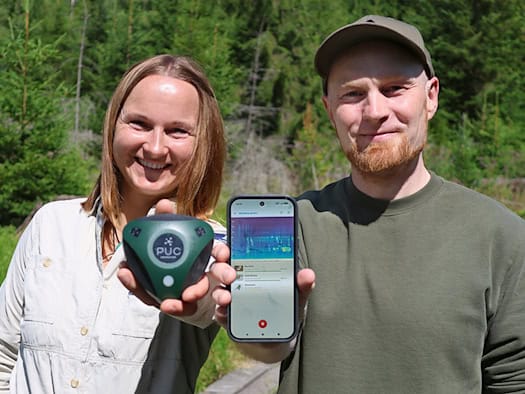
Researchers from Chemnitz helped develop the new app, which can identify thousands of animal species by their calls - completely offline and in real time. | more
Germany has fallen behind in the electric car sector. Now, with the advent of autonomous driving, the next major shift is underway. Saxony aims to take a leading role in this development. | more
Ein Glas Wasser kann mehr als den Durst löschen. Es kann nach Heimat schmecken. Oppacher Mineralwasser stammt aus elf eigenen Tiefbrunnen im Oberlausitzer Bergland. Die Bohrungen reichen bis zu 300 Meter tief in kristallines Granitgestein. Dort entsteht sein natriumarmes, sanft mineralisiertes Profil. | more
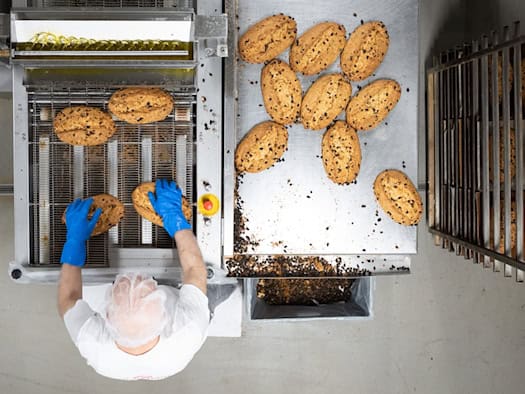
The Dresden Stollen is no easy task for artificial intelligence. Amid the almonds, fruits, and sultanas, it must determine what belongs in the cake—and what needs to be sorted out. | more
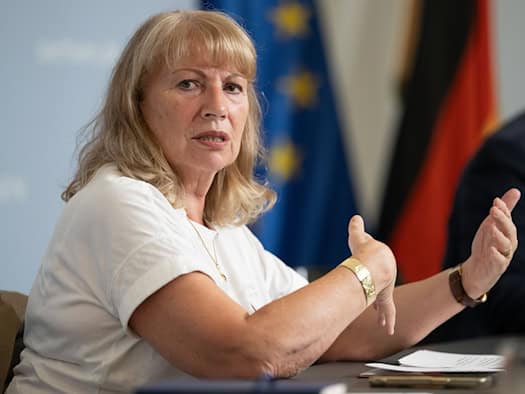
Private chats in the EU may soon be subject to screening for signs of child abuse again. Saxony's interior minister sees this as an important tool for investigators. | more
Das Familienunternehmen Meißner Schwerter erhielt 2025 den Bundesehrenpreis für Bier – als eine von zwölf Brauereien bundesweit. Hinter der Auszeichnung stehen Braumeister mit Erfahrung, regionale Rohstoffe und eine Brautradition, deren Wurzeln bis ins Jahr 1460 reichen. Kennenlernen lässt sich diese Meißner Braukultur auch in den Gasthäusern der Privatbrauerei. | more
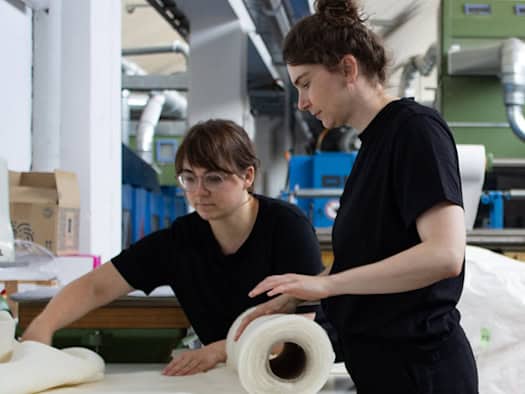
The sweater or jacket has been cut to size. But what happens to the leftover fabric? The textile industry generates many metric tons of these scraps every year. Two female entrepreneurs from Leipzig have an idea for a better solution. They received support from Chemnitz University of Technology. | more
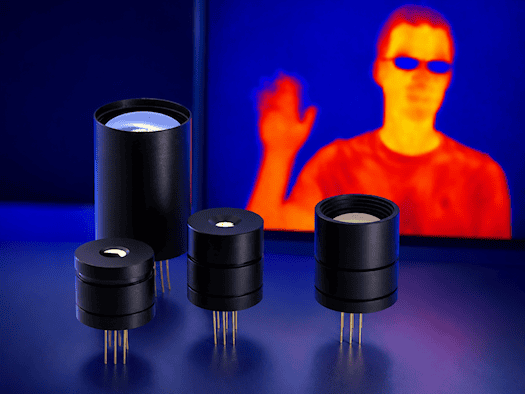
A fall, an unnoticed infection, a person in the dark: Researchers in Dresden are developing a new generation of heat sensors designed to reliably detect such situations in the future. This presents an opportunity to improve safety in medicine, daily life, and transportation. | more
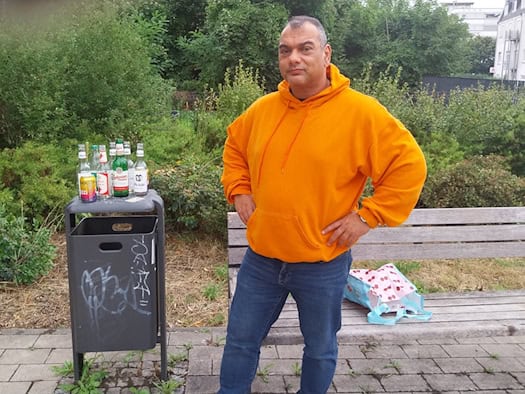
Auf dem Weg zur Arbeit, beim Spaziergang durch Dresden oder beim Warten auf die nächste Bahn – überall können sie liegen: leere Pfandflaschen und Dosen. Für die meisten sind sie Müll, für andere ein kleiner Schatz. Genau daraus macht Pfandpirat eine digitale Schatzsuche, bei der Nutzer Fundorte entdecken, selbst Flaschen melden, Punkte sammeln und gemeinsam auf die Jagd gehen können. Hinter der ungewöhnlichen Idee steckt der Dresdner Sammy Zimmermanns. Wie aus herumliegenden Pfandflaschen ein echtes Spiel für die Stadt geworden ist, lesen Sie hier. | more
Electric aircraft need more than just new propulsion systems. Researchers at Chemnitz University of Technology are working on a more efficient power supply system designed to make the flights of the future possible. | more
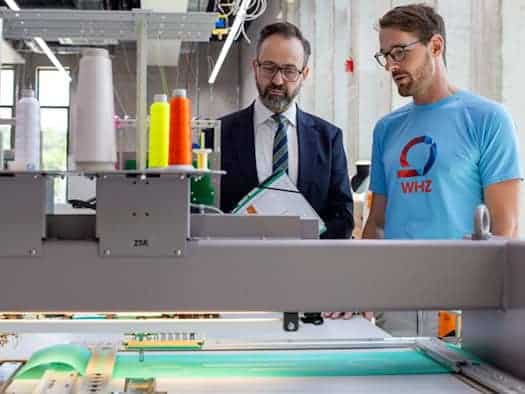
The West Saxon University of Applied Sciences has opened its new technical center in Zwickau. Among other things, sustainable textiles are to be developed in the university’s largest research building in the future. Which materials will be used for this purpose? | more
Gute Nachrichten tun gut. In unserem freitäglichen Good Newsletter bündeln wir die Geschichten, die Mut machen, inspirieren und zeigen, was in Sachsen vorangeht. Jetzt abonnieren und positive Nachrichten direkt ins Postfach bekommen. | more
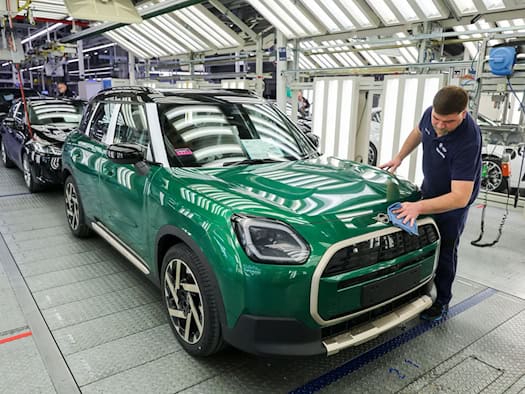
BMW's next generation of electric cars is on the horizon. Renovations are already underway in Leipzig. The automaker is preparing the facility for the "New Class." | more
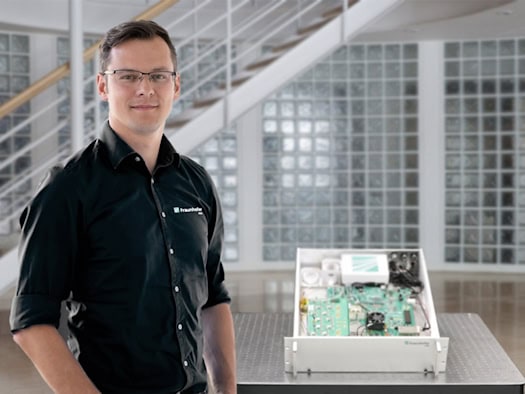
True random numbers are at the heart of all secure encryption. Researchers at Fraunhofer IPMS in Dresden have developed Q-Dice, a generator that derives randomness directly from quantum physics. This makes it significantly more difficult for hackers to attack passwords and bank data. | more
In jedem Verein, in jeder Straße, in jedem Treppenhaus gibt es diesen einen Menschen, der einfach da ist – ohne Bezahlung, ohne Applaus, oft ohne ein einziges Dankeschön. DIE SACHSEN NEWS startet eine neue Serie und sucht genau diese Menschen: Sachsens Alltagshelden. Und die Chancen stehen gut, dass Sie selbst schon eine oder einen kennen. | more
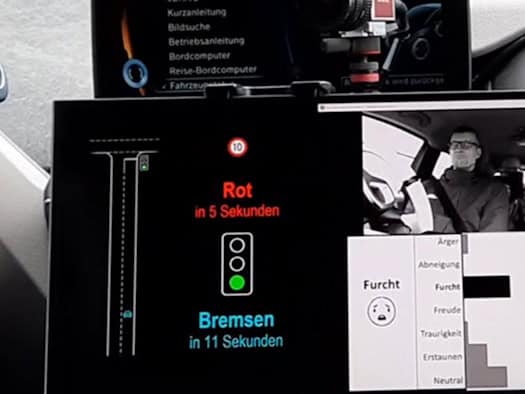
Self-driving cars that can tell when their passengers are feeling unwell—and react immediately: As part of the STADT:up project, researchers at Chemnitz University of Technology have developed a system that analyzes facial expressions in real time and is designed to make autonomous driving in the city safer and more comfortable. | more
Tiny chips are set to revolutionize the medicine of tomorrow. The Dresden-based research cluster SEMECO is developing semiconductors that will make hospitals safer, medical devices smarter, and treatments more effective. With 15 million euros in funding, the project is now entering a crucial phase. | more
In Dresden-Pieschen fertigt Andrea Rehn im Zentralwerk personalisierte Geschenke für frischgebackene Eltern und deren Familien. Besonders gefragt sind bestickte Windeln mit Geburtsdaten sowie kreative Windeltorten – und das nicht nur online, sondern auch deutschlandweit über DM-Märkte. Jetzt gibt es 10 Prozent Rabatt im Shop. | more
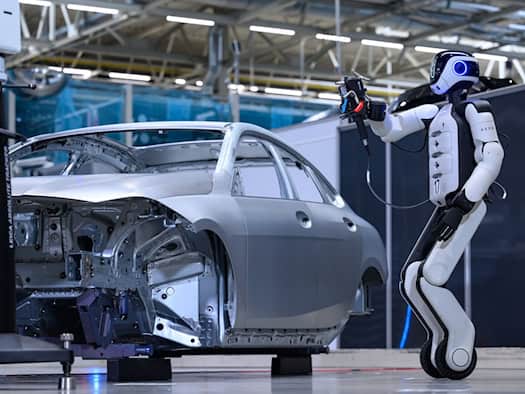
Could humanoid robots soon become a common sight in car factories? BMW is launching the next phase of testing in Leipzig—and is already preparing for wider deployment. | more
Saxony’s swimming pools have clear rules against taking photos and videos. Nevertheless, smart glasses remain a gray area because they are virtually impossible to monitor. | more
Zahnbehandlungen können in Deutschland schnell zur finanziellen Belastung werden. Besonders bei Implantaten, Kronen, Brücken oder umfangreichem Zahnersatz liegen die Kosten häufig im vierstelligen Bereich. Viele Patienten stehen dann vor einer schwierigen Entscheidung: Behandlung durchführen lassen und hohe Eigenanteile zahlen – oder den Eingriff aufschieben, obwohl er medizinisch sinnvoll wäre. | more
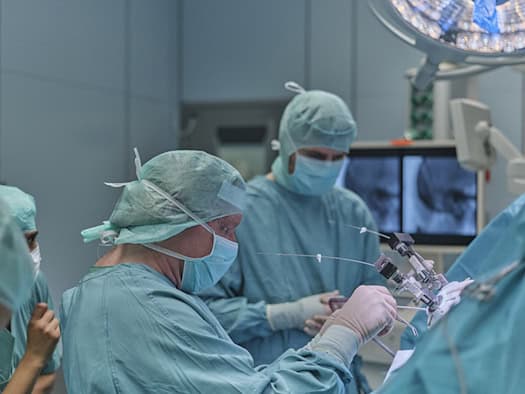
At Leipzig University Hospital, tailor-made surgical tools are being produced using 3D printing to make operations more precise and less invasive. Now the team is already working on the next step: smart glasses that project patient data directly into the surgeon’s field of view. | more