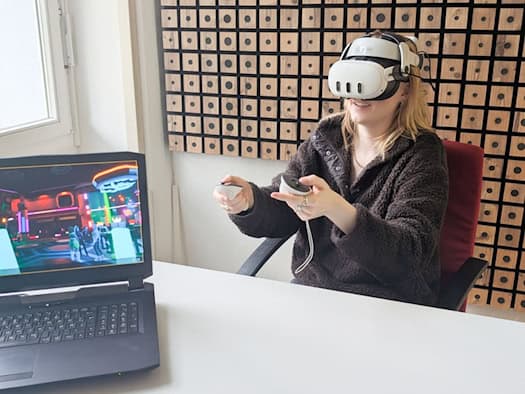
Celebrating together even when you're not in the same place – is that possible? Chemnitz University of Technology is investigating how social interaction can work during virtual live events. They are now looking for pairs of participants for a current VR study. | more

Two of the fiercest competitors in the global AI industry will share the same conference stage in Dresden this September. Anthropic will set the tone for the first day of Brains on Silicon, while OpenAI will kick off the main stage on the second day. Google will also be there. For organizer Stefan Queißer, the lineup is a major coup for Dresden. | more
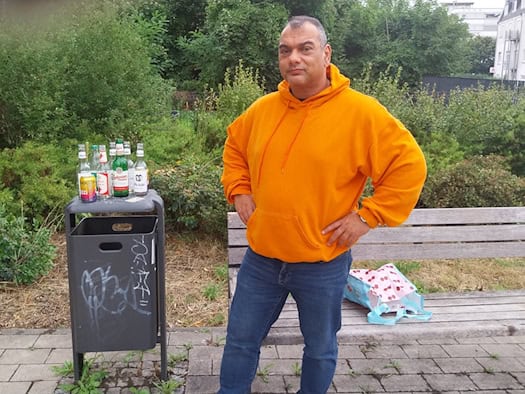
Auf dem Weg zur Arbeit, beim Spaziergang durch Dresden oder beim Warten auf die nächste Bahn – überall können sie liegen: leere Pfandflaschen und Dosen. Für die meisten sind sie Müll, für andere ein kleiner Schatz. Genau daraus macht Pfandpirat eine digitale Schatzsuche, bei der Nutzer Fundorte entdecken, selbst Flaschen melden, Punkte sammeln und gemeinsam auf die Jagd gehen können. Hinter der ungewöhnlichen Idee steckt der Dresdner Sammy Zimmermanns. Wie aus herumliegenden Pfandflaschen ein echtes Spiel für die Stadt geworden ist, lesen Sie hier. | more
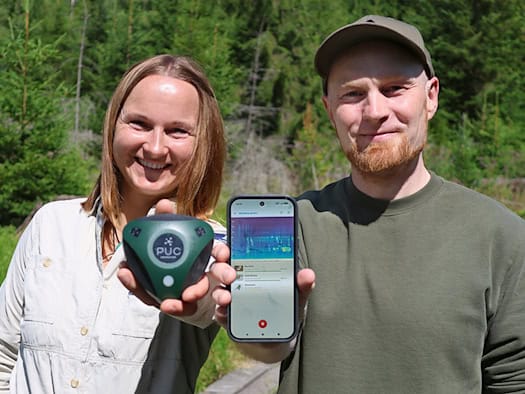
Researchers from Chemnitz helped develop the new app, which can identify thousands of animal species by their calls - completely offline and in real time. | more
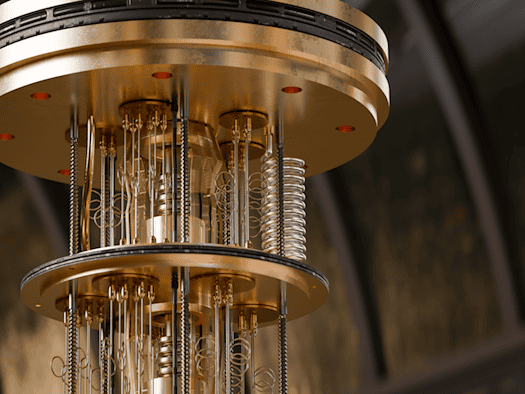
Everyone has experienced a screen that freezes. That’s exactly what could happen to even powerful quantum computers. Researchers in Dresden have discovered why tiny disturbances can bring computing processes to a near standstill. They explain what might help prevent this. | more
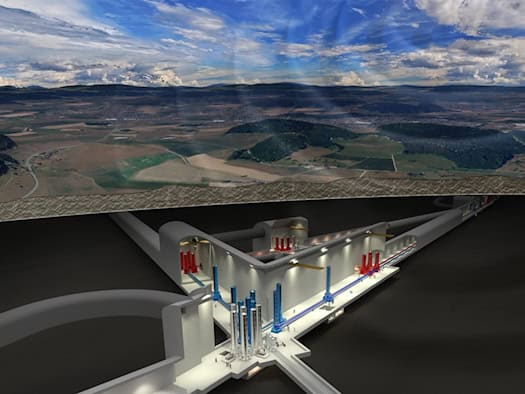
Millions of light-years away, black holes are colliding. The shockwaves could soon be detectable beneath the ground in Lusatia. Saxony and Sardinia have now signed a cooperation agreement to jointly bid for the Einstein Telescope. | more
Gute Nachrichten tun gut. In unserem freitäglichen Good Newsletter bündeln wir die Geschichten, die Mut machen, inspirieren und zeigen, was in Sachsen vorangeht. Jetzt abonnieren und positive Nachrichten direkt ins Postfach bekommen. | more

For the first time, a university is allowed to conduct tests at the Nürburgring: Mittweida University is collecting real-world racing data using a BMW M2 and using it to build digital twins for the cars of tomorrow. | more
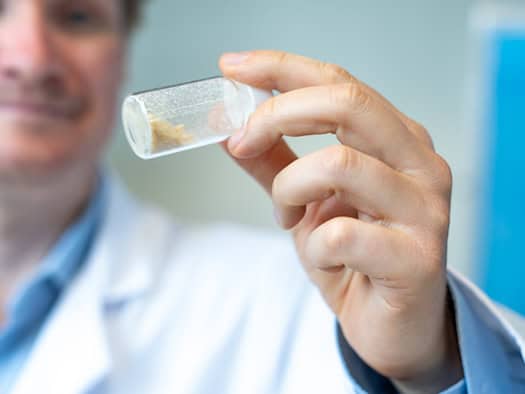
Electronic waste is growing unstoppably worldwide. One reason for this is printed circuit boards, which are difficult to recycle. A team at the TU Bergakademie Freiberg has now developed an alternative made from fungal mycelium that simply dissolves in water at the end of its life. Until now, the raw material for this has been discarded as waste in the citric acid industry. | more
In jedem Verein, in jeder Straße, in jedem Treppenhaus gibt es diesen einen Menschen, der einfach da ist – ohne Bezahlung, ohne Applaus, oft ohne ein einziges Dankeschön. DIE SACHSEN NEWS startet eine neue Serie und sucht genau diese Menschen: Sachsens Alltagshelden. Und die Chancen stehen gut, dass Sie selbst schon eine oder einen kennen. | more
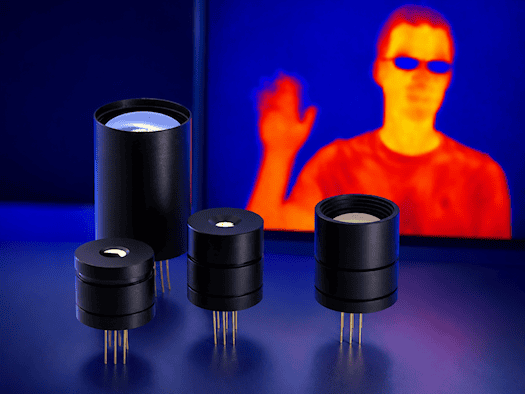
A fall, an unnoticed infection, a person in the dark: Researchers in Dresden are developing a new generation of heat sensors designed to reliably detect such situations in the future. This presents an opportunity to improve safety in medicine, daily life, and transportation. | more
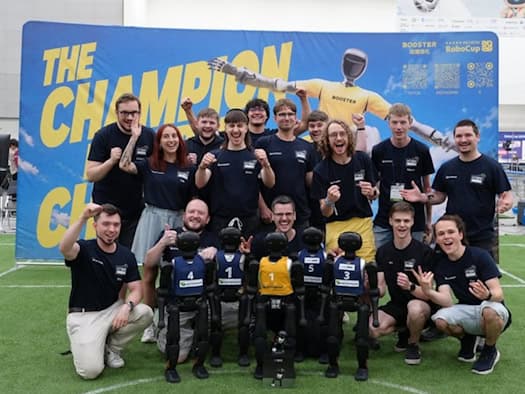
At the 2026 RoboCup in South Korea, the robot soccer team from HTWK Leipzig took home the runner-up title. In the final, the HTWK Robots lost by a narrow margin to a team from Bremen. Thanks to new AI-controlled robots, the team still returned home with many new insights. | more
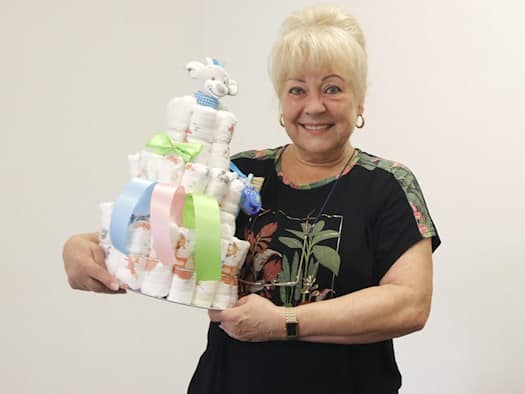
In Dresden-Pieschen fertigt Andrea Rehn im Zentralwerk personalisierte Geschenke für frischgebackene Eltern und deren Familien. Besonders gefragt sind bestickte Windeln mit Geburtsdaten sowie kreative Windeltorten – und das nicht nur online, sondern auch deutschlandweit über DM-Märkte. Jetzt gibt es 10 Prozent Rabatt im Shop. | more

Why do we make certain decisions? A research team from Dresden, Berlin, and Basel is using large language models to uncover the reasons behind our everyday and major decisions. | more
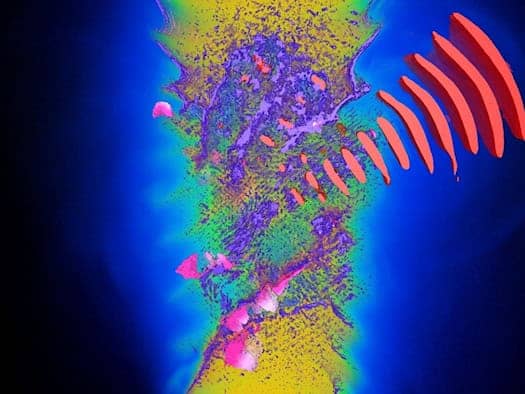
HZDR researchers from Dresden and Görlitz have been selected as the only non-American team to receive early access to the U.S. supercomputer Discovery. Their AI-powered simulation program, PIConGPU, could help improve cancer treatments and generate clean energy. | more
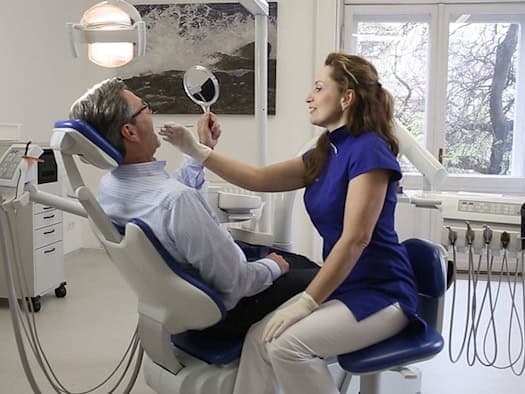
Zahnbehandlungen können in Deutschland schnell zur finanziellen Belastung werden. Besonders bei Implantaten, Kronen, Brücken oder umfangreichem Zahnersatz liegen die Kosten häufig im vierstelligen Bereich. Viele Patienten stehen dann vor einer schwierigen Entscheidung: Behandlung durchführen lassen und hohe Eigenanteile zahlen – oder den Eingriff aufschieben, obwohl er medizinisch sinnvoll wäre. | more
Deepfakes – AI-generated fakes of images, videos, and voices – have become a common part of everyday life. This is shown by a new study from the University of Leipzig. However, public awareness of this phenomenon is growing more slowly than the technology itself. What this means for our trust in the media – and how we can protect ourselves. | more
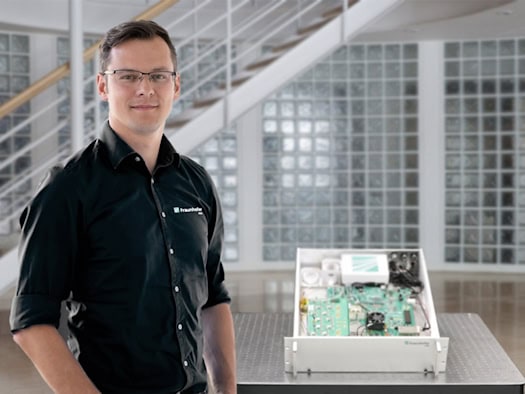
True random numbers are at the heart of all secure encryption. Researchers at Fraunhofer IPMS in Dresden have developed Q-Dice, a generator that derives randomness directly from quantum physics. This makes it significantly more difficult for hackers to attack passwords and bank data. | more
Das europäische Austauschprogramm Erasmus für Jungunternehmer eröffnet nicht nur sächsischen Gründern und etablierten Unternehmen neue internationale Perspektiven. Das TGZ Bautzen begleitet das Netzwerk auch künftig als erfahrener Partner. | more
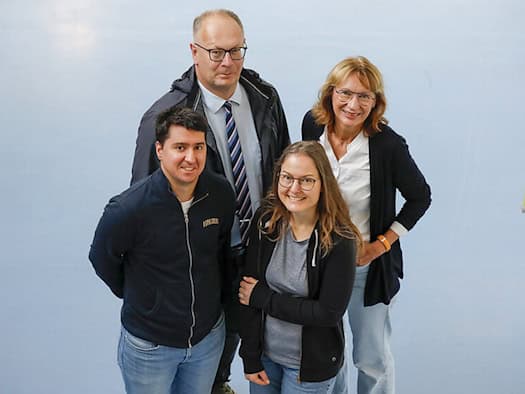
Every time a smart device “thinks,” a data point travels to the data center and back. Zittau/Görlitz University of Applied Sciences wants to change that in collaboration with partners from industry and academia. As part of the EdgeVision joint project, they are developing an AI chip that performs computations directly within the device – quickly, efficiently, and without an internet connection. | more
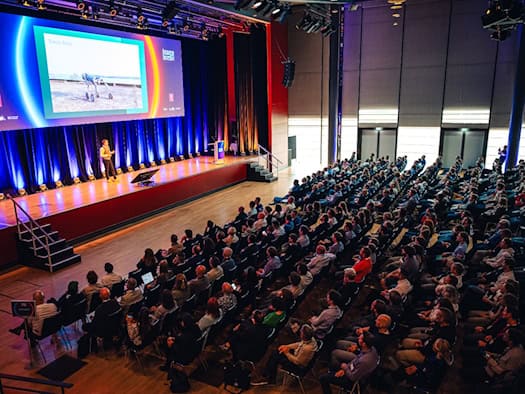
On September 14 and 15, 2026, Dresden will once again become a hub for applied artificial intelligence. At Brains on Silicon 2026 at the ICD Dresden, experts from companies such as SAP, GitHub, and You.com will discuss how AI is making the transition from pilot projects to real-world business processes. | more
Ein Glas Wasser kann mehr als den Durst löschen. Es kann nach Heimat schmecken. Oppacher Mineralwasser stammt aus elf eigenen Tiefbrunnen im Oberlausitzer Bergland. Die Bohrungen reichen bis zu 300 Meter tief in kristallines Granitgestein. Dort entsteht sein natriumarmes, sanft mineralisiertes Profil. | more

8,000 highway bridges in Germany are considered to be in need of repair. Researchers at Fraunhofer IKTS in Dresden are working on a monitoring system that keeps an eye on bridges around the clock by listening to them. COMOBASE detects cracks and damage through acoustic signals before they become dangerous—and at a fraction of the cost of previous monitoring methods. | more
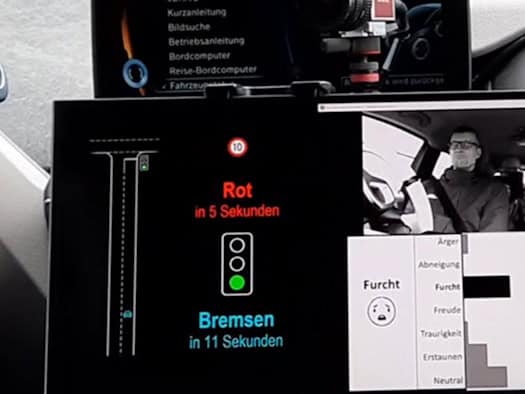
Self-driving cars that can tell when their passengers are feeling unwell—and react immediately: As part of the STADT:up project, researchers at Chemnitz University of Technology have developed a system that analyzes facial expressions in real time and is designed to make autonomous driving in the city safer and more comfortable. | more
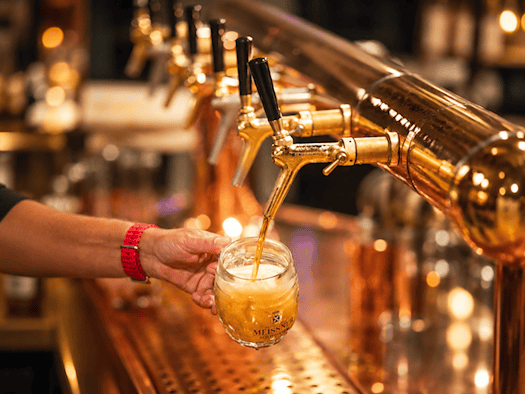
Das Familienunternehmen Meißner Schwerter erhielt 2025 den Bundesehrenpreis für Bier – als eine von zwölf Brauereien bundesweit. Hinter der Auszeichnung stehen Braumeister mit Erfahrung, regionale Rohstoffe und eine Brautradition, deren Wurzeln bis ins Jahr 1460 reichen. Kennenlernen lässt sich diese Meißner Braukultur auch in den Gasthäusern der Privatbrauerei. | more
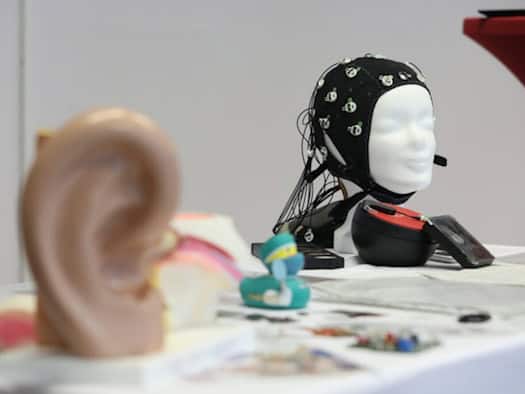
Tiny chips are set to revolutionize the medicine of tomorrow. The Dresden-based research cluster SEMECO is developing semiconductors that will make hospitals safer, medical devices smarter, and treatments more effective. With 15 million euros in funding, the project is now entering a crucial phase. | more
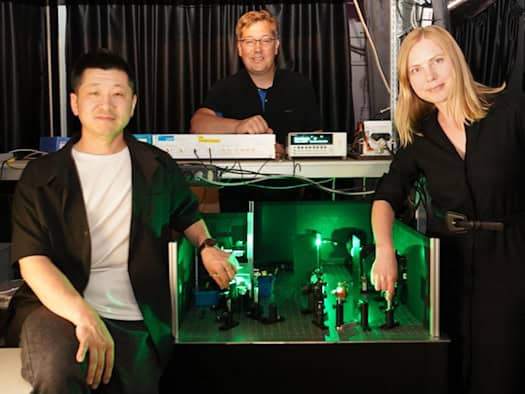
Printed solar cells are seen as a beacon of hope for affordable and flexible photovoltaics. Researchers at Chemnitz University of Technology have now discovered that they can remain efficient even with extremely little material. | more
Auf dem Weg zur Arbeit, beim Spaziergang durch Dresden oder beim Warten auf die nächste Bahn – überall können sie liegen: leere Pfandflaschen und Dosen. Für die meisten sind sie Müll, für andere ein kleiner Schatz. Genau daraus macht Pfandpirat eine digitale Schatzsuche, bei der Nutzer Fundorte entdecken, selbst Flaschen melden, Punkte sammeln und gemeinsam auf die Jagd gehen können. Hinter der ungewöhnlichen Idee steckt der Dresdner Sammy Zimmermanns. Wie aus herumliegenden Pfandflaschen ein echtes Spiel für die Stadt geworden ist, lesen Sie hier. | more
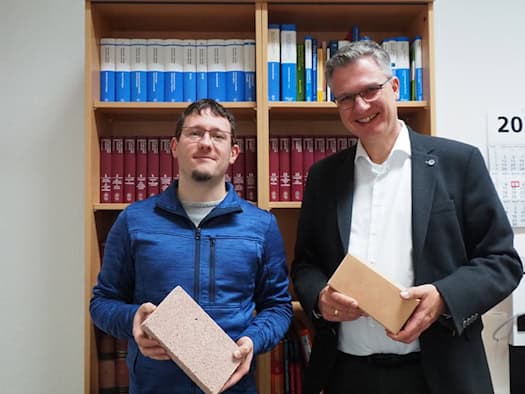
Turning brick rubble and mining waste into a building material that insulates, does not burn and can be recycled again and again. Researchers at TU Bergakademie Freiberg have done exactly that. Their manufacturing process has now been granted a European patent. | more
Smart control systems can save energy and resources. But when nobody understands how they make decisions, trust quickly disappears and operators may switch them off. Researchers at Chemnitz University of Technology have developed a new AI-based approach to make these systems more transparent. Their work has now been accepted at one of the world's leading conferences on artificial intelligence. | more
Gute Nachrichten tun gut. In unserem freitäglichen Good Newsletter bündeln wir die Geschichten, die Mut machen, inspirieren und zeigen, was in Sachsen vorangeht. Jetzt abonnieren und positive Nachrichten direkt ins Postfach bekommen. | more
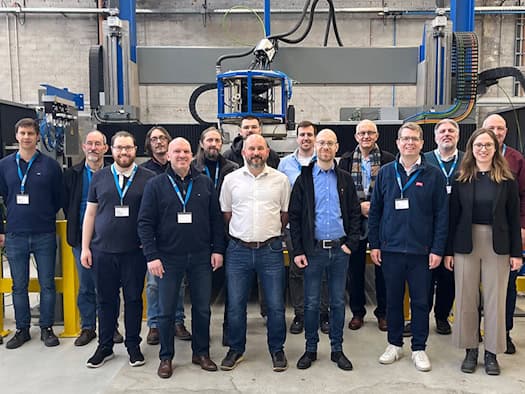
A joint project is developing a process to build up large steel parts layer by layer - cheaper, faster and more resource-efficient than before. | more
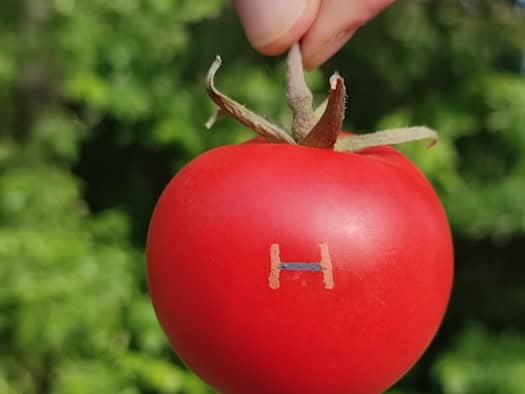
Magnetic field sensors can be found in almost every device we use every day. But many contain problematic metals such as nickel or cobalt. Researchers at the Helmholtz-Zentrum Dresden-Rossendorf have now developed printed sensors made from iron, cellulose and beeswax that can later dissolve in a controlled way. | more
In jedem Verein, in jeder Straße, in jedem Treppenhaus gibt es diesen einen Menschen, der einfach da ist – ohne Bezahlung, ohne Applaus, oft ohne ein einziges Dankeschön. DIE SACHSEN NEWS startet eine neue Serie und sucht genau diese Menschen: Sachsens Alltagshelden. Und die Chancen stehen gut, dass Sie selbst schon eine oder einen kennen. | more
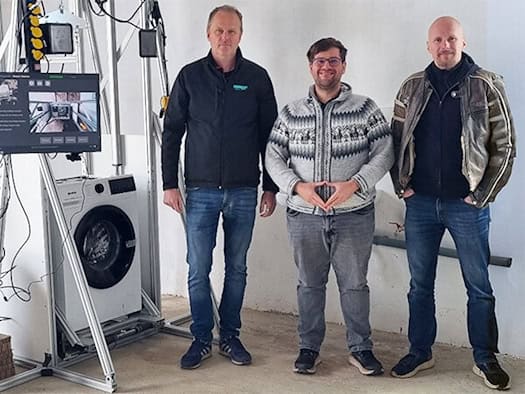
Just throw away old washing machines? That may soon no longer be necessary. Researchers at Chemnitz University of Technology have developed a station that guides workers through the dismantling of appliances step by step using AI and digital instructions. Why this matters for the circular economy — and how far the technology has already come. | more