


This is how fast electrical charges move through materials
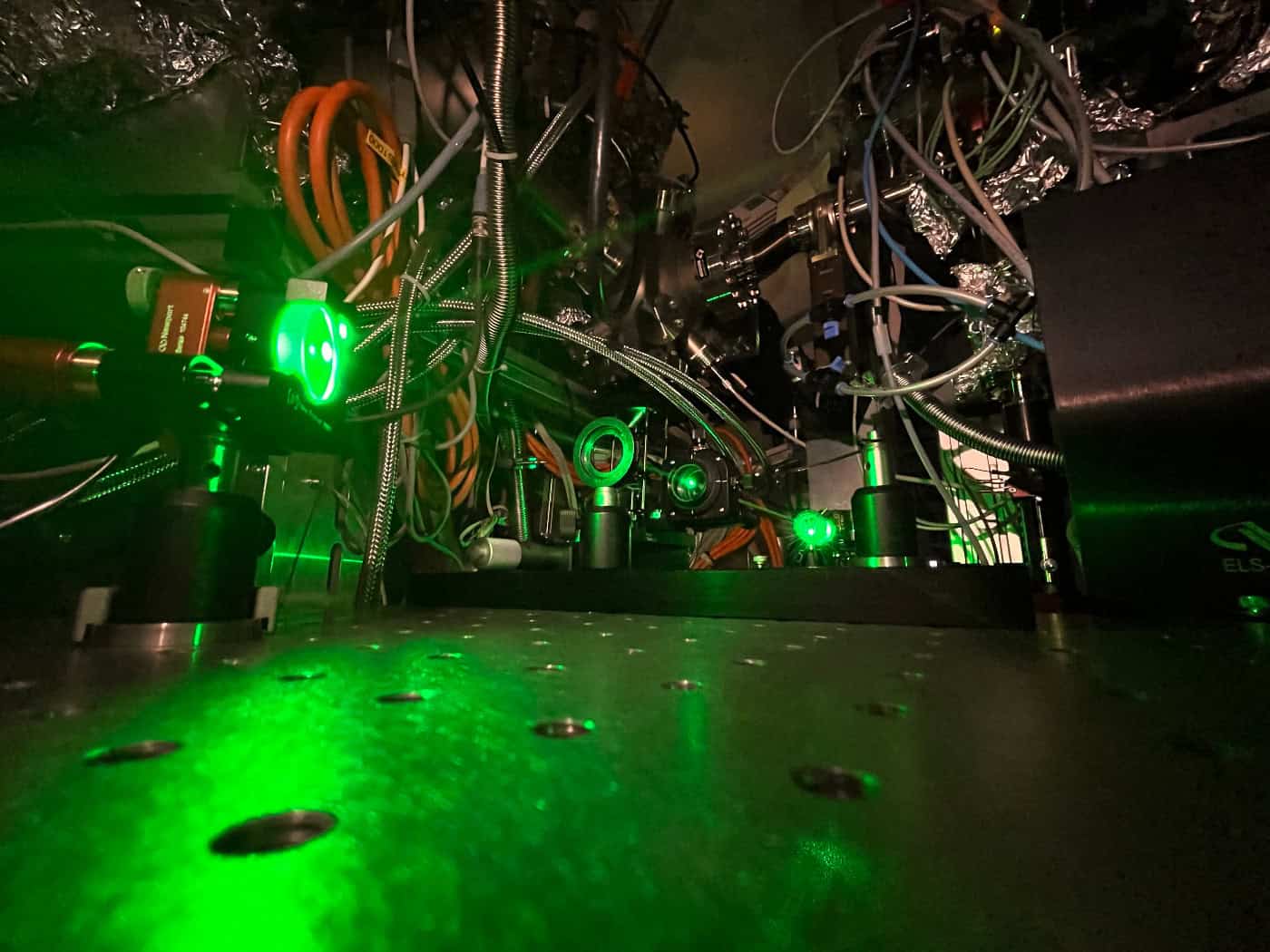
A trillionth of a second is almost impossible for us to imagine. In modern materials, however, crucial events can occur in this brief span of time: electrical charges move and redistribute themselves. Researchers at the TU Bergakademie Freiberg (TUBAF) have helped develop a measurement system that will soon allow for a more precise investigation of such extremely fast processes. After about four years of development work, it has now been fully installed at the BESSY II research facility in Berlin.
BESSY II generates particularly intense X-ray light, which scientists can use to study materials and the processes occurring within them. Teams from all over the world conduct experiments there. The first experiments using the new system from Freiberg are scheduled for February 2027.
What happens after a flash of light?
The project was led by TUBAF physicist Friedrich Roth. With the new facility, researchers can observe what happens in a material immediately after a short light pulse. These processes occur extremely quickly, within picoseconds. A picosecond is one trillionth of a second. “The central question is how electronic charges move after a material is excited,” explains Roth. And also how they distribute themselves within the material.
A distinctive feature of the new facility is its ability to measure such extremely fast processes particularly efficiently. This is important because experiment time at large research facilities like BESSY II is limited. The more efficiently a measurement is conducted, the more information researchers can gather during their allotted measurement time. This makes it possible, for example, to compare different materials or different experimental conditions.
New opportunities for international research
Interest is already high. Research groups from Sweden, the United Kingdom, France, and the United States plan to conduct experiments with the new facility in the future. In addition to TU Bergakademie Freiberg, the Helmholtz Center, the Fritz Haber Institute of the Max Planck Society, the German Electron Synchrotron (DESY), and the European XFEL were involved in the project. “Modern experimental research increasingly operates within networks,” says Roth. No single university or large-scale research institution can provide the necessary expertise on its own.
In the future, research groups will bring their own materials to BESSY II and study them using the new facility. This will yield knowledge that is important for the development of semiconductors and new energy materials, among other things.

