


Game mechanics to help save energy
Who doesn't remember the Tamagotchi from the 90s? The little digital pet had to be fed and cared for, otherwise it died. Researchers at the West Saxon University of Applied Sciences in Zwickau now want to use precisely this principle for the energy transition. Their "Energy Tamagotchi" is designed to motivate people to use electricity more consciously in a playful way.
The new GAME CHANGE junior research group is investigating how gamification can help with technological change. Gamification means that typical game elements are used in non-game contexts. "The focus is not on playing, but on the targeted use of typical game mechanisms such as feedback, motivation, learning progress or interaction," explains project leader Prof. Dr. Tim Neumann. The researchers want to make complex changes easier to understand and increase acceptance.
From driving simulator to energy saving
One specific example is a digital driving trainer. Based on an e-racing simulator, it analyzes driving behavior and shows how different driving styles affect energy consumption. Users receive direct feedback and can learn how to drive more energy-efficiently. The "Energy Tamagotchi" makes personal energy consumption visible and rewards economical behavior. The team is also researching how playful training formats can better qualify specialists.
Interdisciplinary collaboration
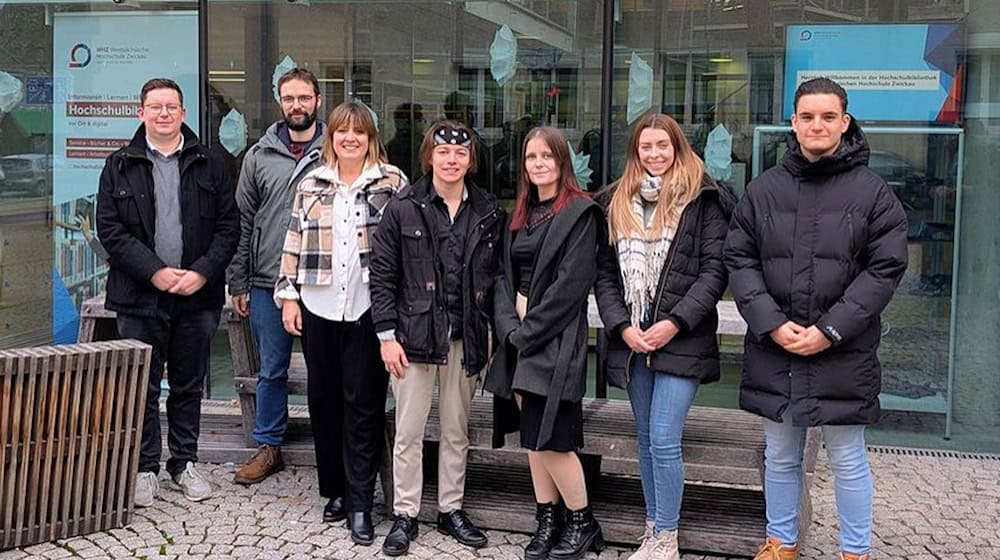
Four professors from different departments are working together on the project. Six young scientists complete the team. Together, they are developing transferable concepts for business, education and society. The project will run until October 2028 and is being funded by the European Social Fund Plus and the university itself with almost 1.5 million euros.

