


From scrapyard to new car: Freiberg research makes it possible
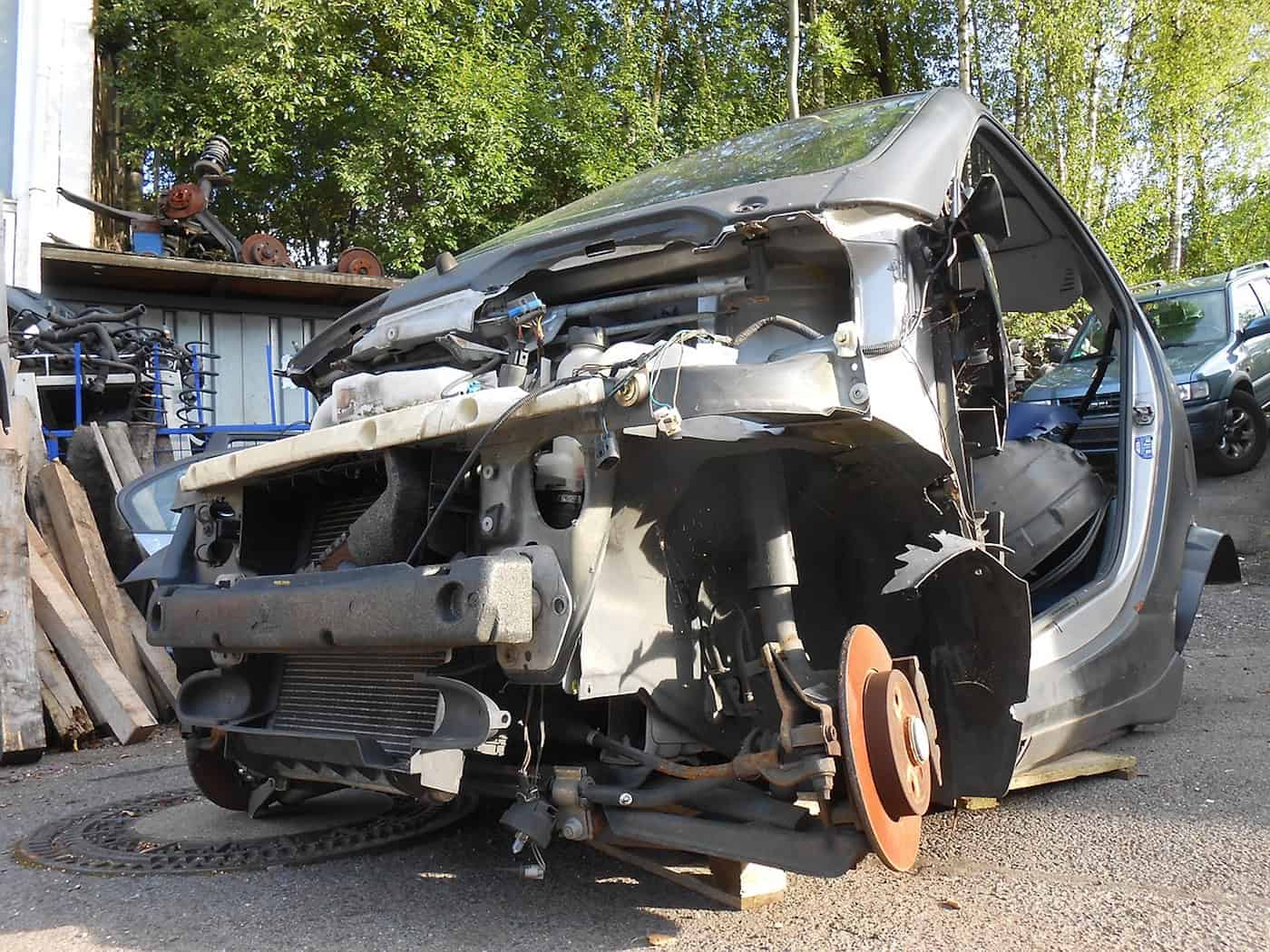
Your old car ends up in the scrapyard at some point. There it is shredded and sorted. Large parts are recycled, but do not reappear in a new vehicle. Yet every car contains valuable materials. Researchers at TU Bergakademie Freiberg have investigated how this can be changed in the "Car2Car" project.
The project was led by the BMW Group. Prof. Sindy Fuhrmann from the Institute of Glass and Glass Technology, Dr. Thilo Kreschel from the Institute of Iron and Steel Technology and Prof. Urs Peuker from the Institute of Mechanical Process Engineering and Processing Technology were also involved. They all wanted to process materials from old cars so that they are suitable for new vehicles.
Steel works - glass and plastic don't yet
The problem with recycling is purity. High-quality cars need high-quality raw materials with very specific properties. "We build high-quality cars in Germany and use very high-quality materials with a precisely defined requirement profile. When it comes to recycling, it must be possible to produce precisely these high-quality materials again."
This has already been achieved with steel. Thilo Kreschel reports that the team in the project was able to use 80 percent of the steel mass from end-of-life vehicles to produce new flat steel for cars. All without any loss of quality. This resulted in over 100,000 series parts at the BMW plant in Leipzig.
The situation is more difficult with glass. Car windows are coated, colored and firmly bonded to other components. This makes separation time-consuming. Often it can only be done by hand. Sindy Fuhrmann says that so-called closed-loop recycling, i.e. the direct route from the old to the new windshield, is not yet possible according to the current state of the art. And plastics? They are damaged by heat and sunlight during use. Even perfectly sorted plastic often does not produce the same quality as a new material.
What potential is there in recycling?
Despite all the hurdles, it is worth looking ahead. Sindy Fuhrmann does the math for glass, for example: If the industry were to use just 10 percent more used glass, around three percent of energy and therefore CO₂ could be saved compared to today's new production. "The industry could take a significant step towards achieving climate targets by recycling glass," she says.
Further research efforts are needed for plastics. Sensor-based sorting processes, i.e. machines that automatically recognize and separate materials, showed initial results in the project, but are not yet sufficient.
"With the open discussion between science and industry, it is possible to conduct solution-oriented research and develop new technologies that can also be scaled up," says Urs Peuker, summarizing what the Car2Car project has shown. What works in the laboratory can later be implemented on an industrial scale. So the next car could well contain a piece of your old one.

