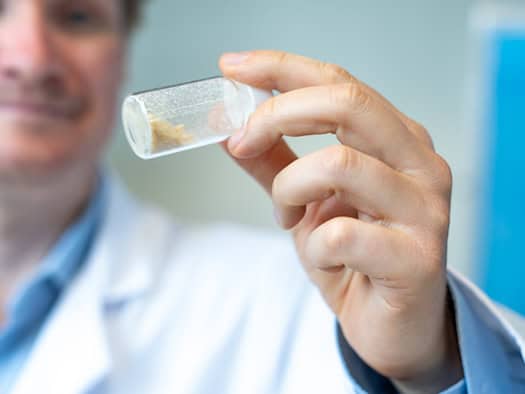
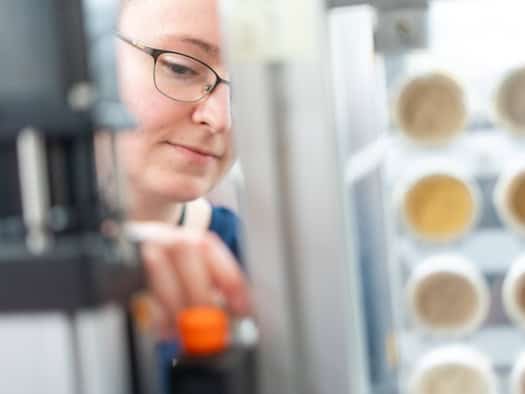
Electronic waste is growing unstoppably worldwide. One reason for this is printed circuit boards, which are difficult to recycle. A team at the TU Bergakademie Freiberg has now developed an alternative made from fungal mycelium that simply dissolves in water at the end of its life. Until now, the raw material for this has been discarded as waste in the citric acid industry. | more
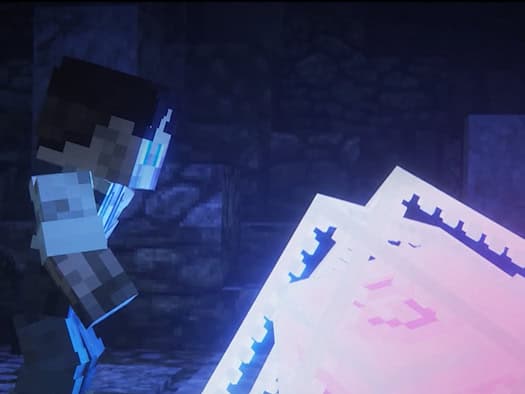
A university in Saxony is getting serious about gaming: The TU Bergakademie Freiberg has released "Countdown Freiberg." This Minecraft game guides young people through a digital version of Freiberg while addressing real-world questions about raw materials and sustainability. It combines gaming and research. | more
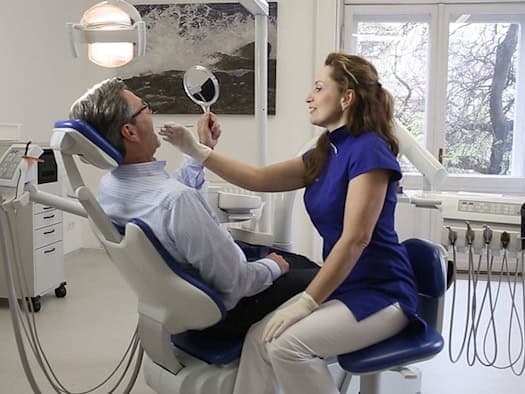
Zahnbehandlungen können in Deutschland schnell zur finanziellen Belastung werden. Besonders bei Implantaten, Kronen, Brücken oder umfangreichem Zahnersatz liegen die Kosten häufig im vierstelligen Bereich. Viele Patienten stehen dann vor einer schwierigen Entscheidung: Behandlung durchführen lassen und hohe Eigenanteile zahlen – oder den Eingriff aufschieben, obwohl er medizinisch sinnvoll wäre. | more
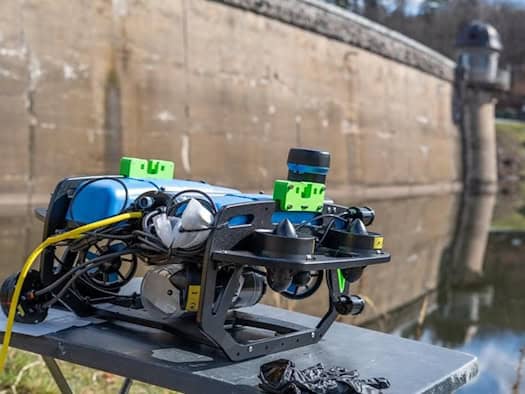
A robot dives where humans can hardly reach: along the underwater sides of dam walls. Researchers at TU Bergakademie Freiberg have developed it to detect cracks earlier, reduce costs, and improve water safety. | more
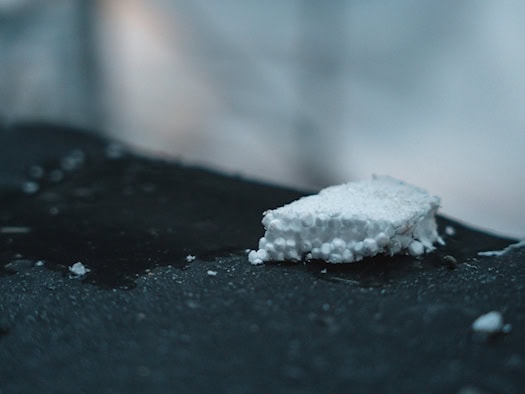
Styrofoam is used for packaging or in insulating materials. The starting product for this is styrene. This in turn is volatile, toxic and difficult to detect. Researchers at TU Bergakademie Freiberg are now developing a biosensor that makes the pollutant visible by changing color - cheaply, quickly and precisely. | more
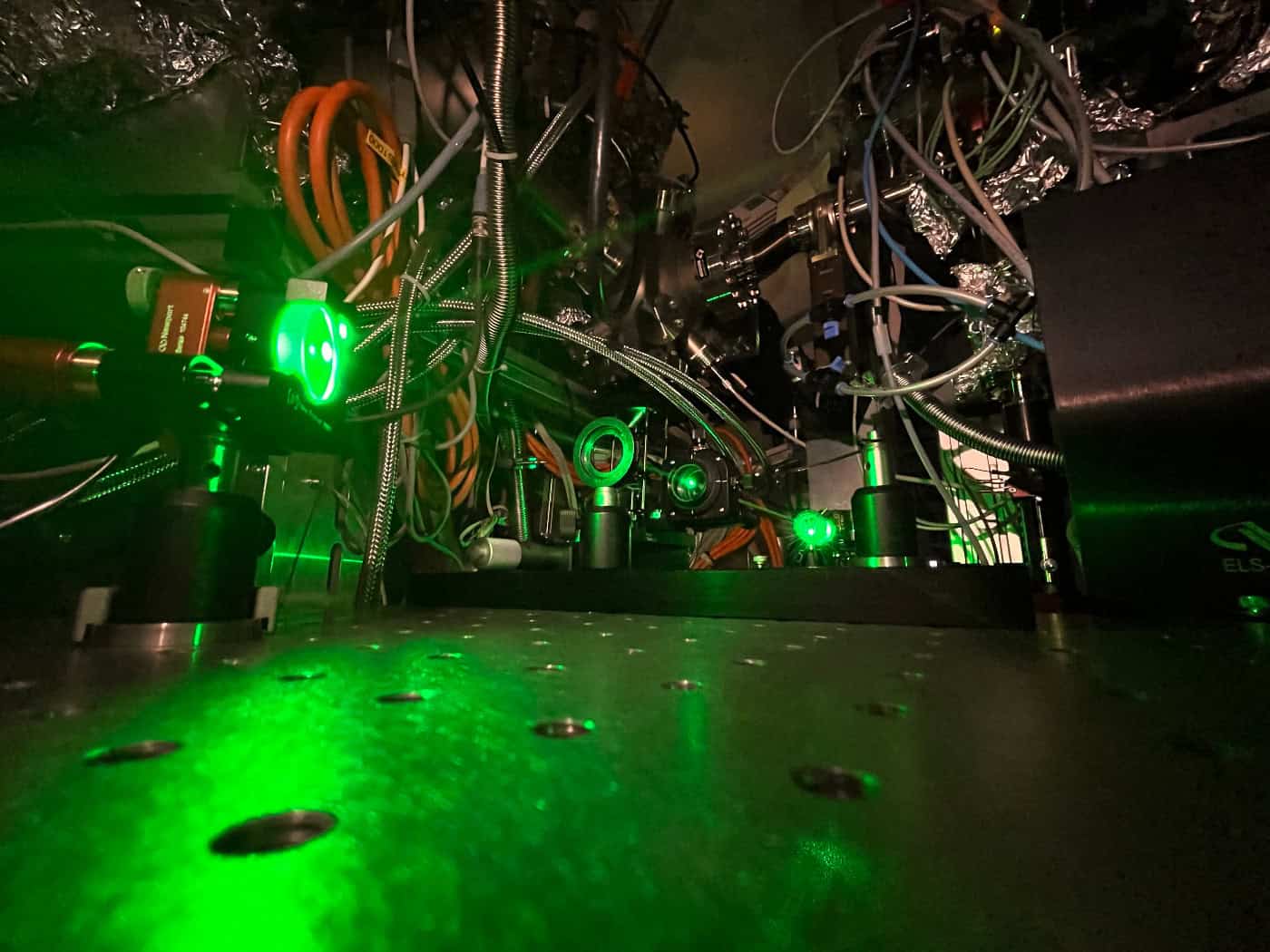
Old Saxon healing clay under a powerful X-ray beam and students from Freiberg are right in the middle of it. Master's students at the TU Bergakademie Freiberg are conducting research together with scientists at the Deutsches Elektronen-Synchrotron (DESY) in Hamburg. They want to find out what is in pressed clay plates from the 18th century - without damaging them. | more
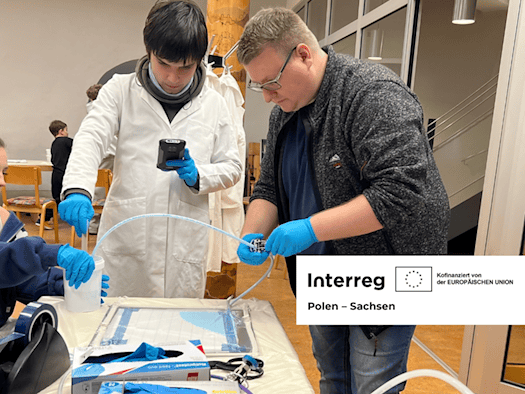
Nach zwei Jahren erfolgreicher Zusammenarbeit geht das INTERREG-Projekt „Grenzüberschreitende Experimentiergärten“ in die finale Phase. Am 4. November lädt das Technologie- und Gründerzentrum Bautzen zur Abschlusskonferenz „Impulse für die MINT-Bildung von morgen“ ein – ein Höhepunkt des Wissenschaftsjahres 2026. | more
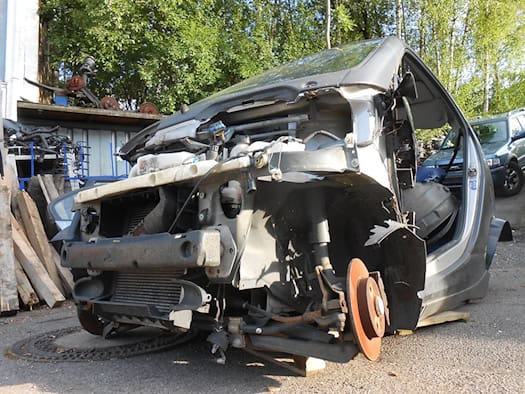
The old car may soon be in the next new car. Researchers at TU Bergakademie Freiberg have teamed up with the BMW Group to investigate how steel, glass and plastic from end-of-life vehicles can be reused as high-quality raw materials. It is already working for steel - more research is needed for glass and plastic. What the Car2Car project shows and why this is important for our climate. | more
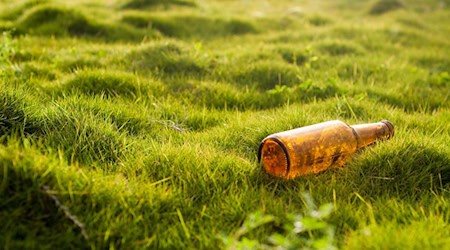
Brown bottles protect beer and medicines from light, but their production has a negative impact on the climate. A team from TU Bergakademie Freiberg has proven in the laboratory that amber glass can also be produced using electricity instead of natural gas. 86 percent less CO₂ would be possible. How this works and what the trick is with the "cold lid" on the red-hot melt. | more
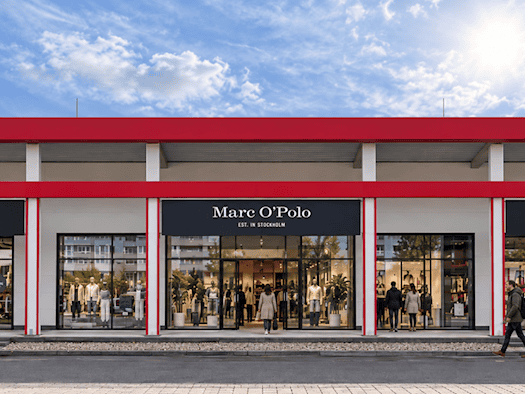
Neue Kollektionen, neue Outlets und attraktive Angebote: In Schwarzheide-Mitte gibt es jetzt viel zu entdecken. Die Schulferien sind die ideale Gelegenheit, mit Familie oder Freunden durch die Shops zu bummeln und neue Lieblingsstücke für die kühleren Tage zu finden. | more
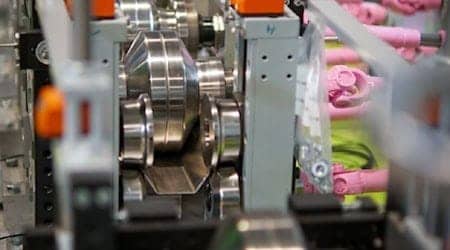
A metal that is lighter than aluminum and yet is hardly used - this is now set to change. Researchers at TU Bergakademie Freiberg have spent three years working on making magnesium fit for industry. With hydrogen, clever processes and a new alloy, they have succeeded. The first prototypes prove it: This material has a future. | more
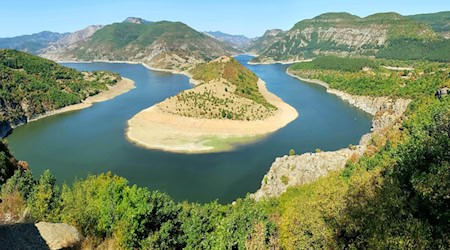
Like an elevator to the top: Researchers at TU Bergakademie Freiberg have used computer models to show how the Rhodope Mountains in Bulgaria were formed. Sunken rocks from the African plate rose again from a depth of 100 kilometers. The result: the mountain range is 40 million years old and therefore significantly younger than previously assumed. | more
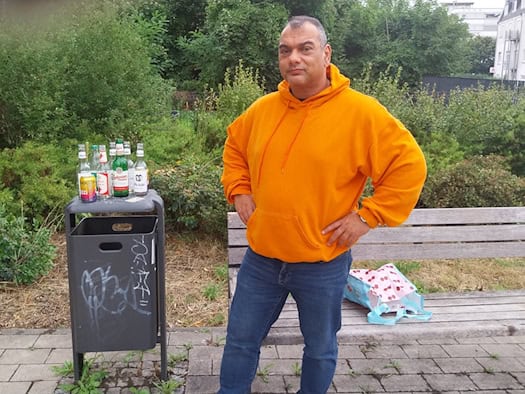
Auf dem Weg zur Arbeit, beim Spaziergang durch Dresden oder beim Warten auf die nächste Bahn – überall können sie liegen: leere Pfandflaschen und Dosen. Für die meisten sind sie Müll, für andere ein kleiner Schatz. Genau daraus macht Pfandpirat eine digitale Schatzsuche, bei der Nutzer Fundorte entdecken, selbst Flaschen melden, Punkte sammeln und gemeinsam auf die Jagd gehen können. Hinter der ungewöhnlichen Idee steckt der Dresdner Sammy Zimmermanns. Wie aus herumliegenden Pfandflaschen ein echtes Spiel für die Stadt geworden ist, lesen Sie hier. | more
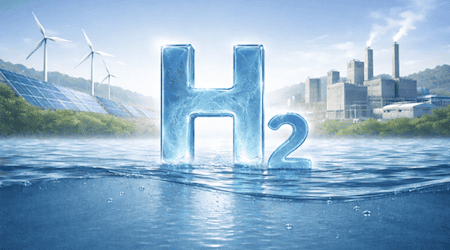
High energy prices and climate protection - hydrogen is supposed to solve both problems. But the technology is expensive. Four Saxon universities are now developing fuel cells that can be reused. The "Hy²Cycle" project could advance the energy transition. | more
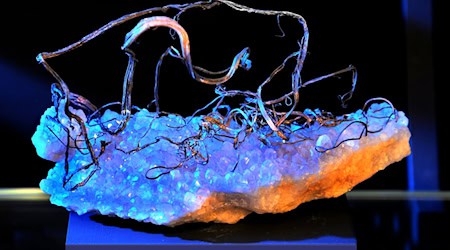
The Mineralogical Collections of the Freiberg Mining Academy are a feast for the eyes. They have now been honored at an international congress. | more
Gute Nachrichten tun gut. In unserem freitäglichen Good Newsletter bündeln wir die Geschichten, die Mut machen, inspirieren und zeigen, was in Sachsen vorangeht. Jetzt abonnieren und positive Nachrichten direkt ins Postfach bekommen. | more