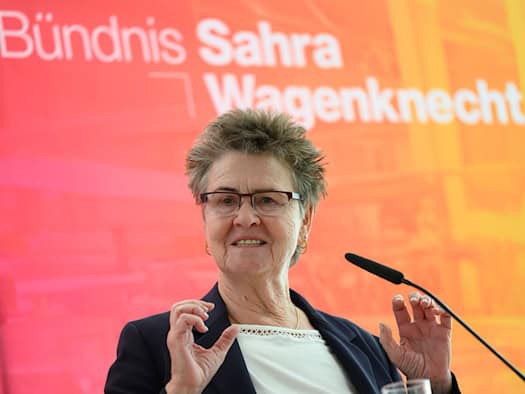
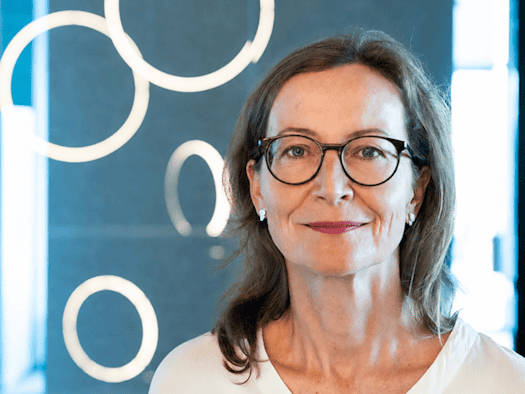
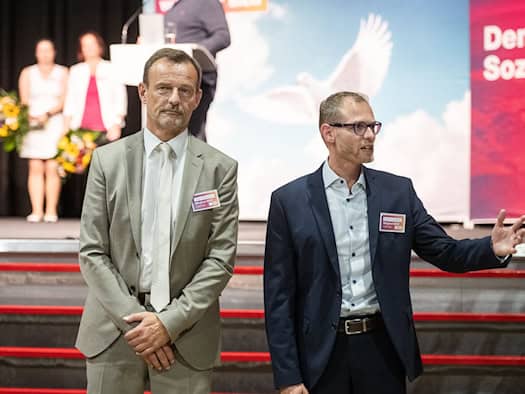
At the BSW state party convention in Leipzig, Sabine Zimmermann called for more determination and a clearer course of action for the party in the Saxon state parliament. | more
During the exploratory talks following the Saxony-Anhalt election, the BSW national leadership reiterated its demand to hold talks with all parties. Federal Chair Mohamed Ali ruled out a coalition with the AfD. | more
Gute Nachrichten tun gut. In unserem freitäglichen Good Newsletter bündeln wir die Geschichten, die Mut machen, inspirieren und zeigen, was in Sachsen vorangeht. Jetzt abonnieren und positive Nachrichten direkt ins Postfach bekommen. | more
"With the phase-out of coal, the tap on the Spree will be turned off," says the Nature and Biodiversity Conservation Union of Germany. Climate change will further exacerbate the situation. Natural solutions should be sought instead of technology. | more
According to forecasts, Leipzig will continue to grow, but the pace is slowing. How many people could be living in Saxony's largest city by 2045? | more
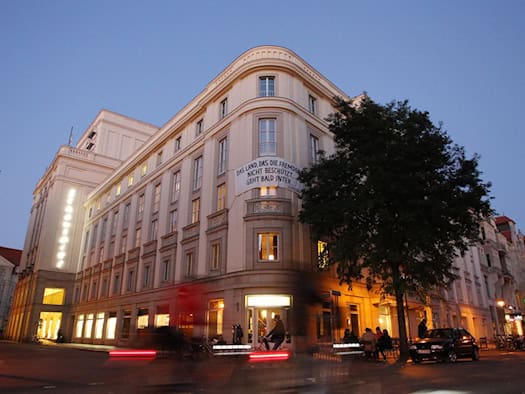
This year, euro-scene Leipzig is focusing on Quebec and showcasing how hip-hop, street, and club cultures are shaping the international dance scene. The festival also explores the meaning of home. | more
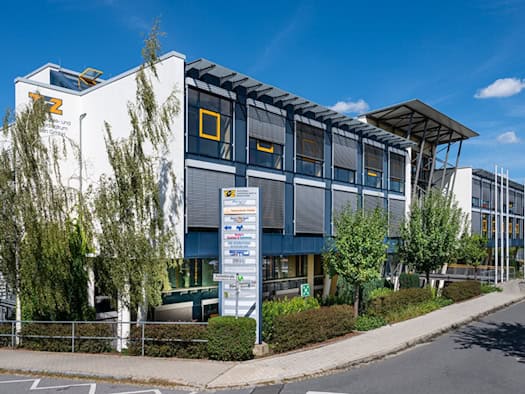
Die Ostsächsischen Maschinenbautage widmen sich am 28. und 29. Oktober dem Thema „Robotik im Maschinenbau“ und zeigen, wie Automatisierung und Nachhaltigkeit für kleine und mittlere Unternehmen zusammengehen. Nutzen Sie Kolloquium, Kooperationsbörse und Unternehmensbesichtigungen, um wertvolle Kontakte zu knüpfen und die grüne Zukunft des Grenzraums mitzugestalten. | more
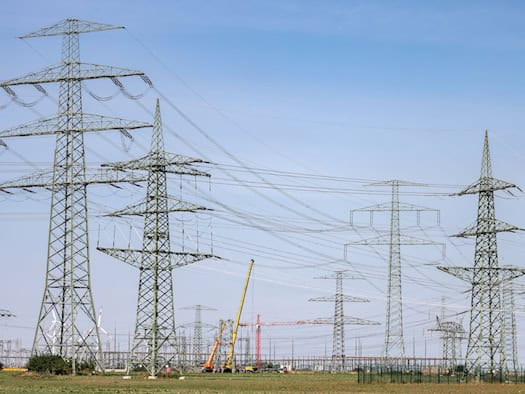
Bulgaria is considered the “battery of the Balkans”—what’s behind this, and what can Germany learn for its power grid? At the East German Energy Forum, experts are also turning their attention to Eastern Europe. | more
The counties of Saxony, Saxony-Anhalt, and Thuringia are calling for state reform: they say that only with solid funding can they fulfill their responsibilities for schools, public transportation, and social services. | more
Schon wieder zu viel gegessen oder eine wichtige Aufgabe aufgeschoben? Oft reagieren wir auf solche Verhaltensweisen mit Selbstkritik. Doch damit bekämpfen wir meist nur das sichtbare Symptom – und übersehen, was wir in diesem Moment wirklich brauchen. | more
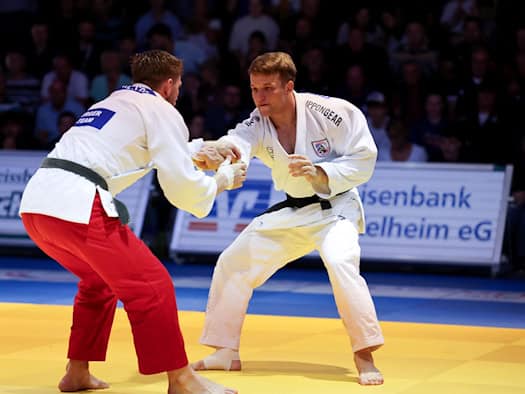
In the Bundesliga, Akaki Japaridze beat up German Olympian Timo Cavelius so badly after the fight that he had to be hospitalized. An initial ruling has now been issued, but other proceedings are still ongoing. | more
Brajan Gruda will miss the DFB training camp due to an abdominal muscle strain. A return after the international break seems possible. | more
In jedem Verein, in jeder Straße, in jedem Treppenhaus gibt es diesen einen Menschen, der einfach da ist – ohne Bezahlung, ohne Applaus, oft ohne ein einziges Dankeschön. DIE SACHSEN NEWS startet eine neue Serie und sucht genau diese Menschen: Sachsens Alltagshelden. Und die Chancen stehen gut, dass Sie selbst schon eine oder einen kennen. | more
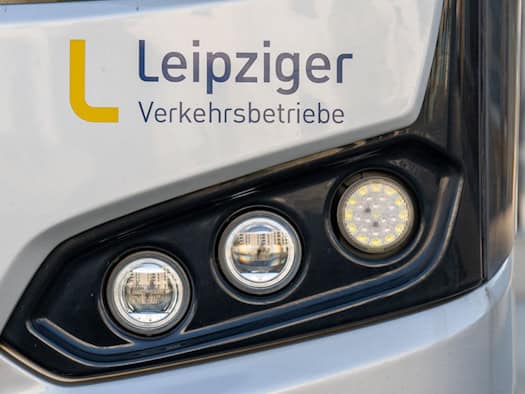
Thirty partners aim to lay the technical groundwork so that autonomous vehicles can be easily and safely integrated into public transportation. Leipzig’s public transit authority plays a special role in this effort. | more
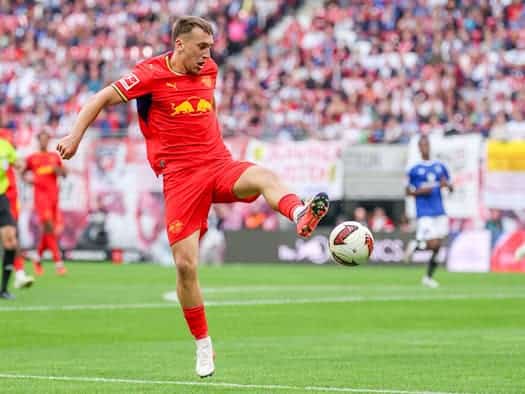
Brajan Gruda has always been a fixture in RB's lineup in the games so far and, as a result, on Klopp's radar. His debut with the national team has now been postponed. | more
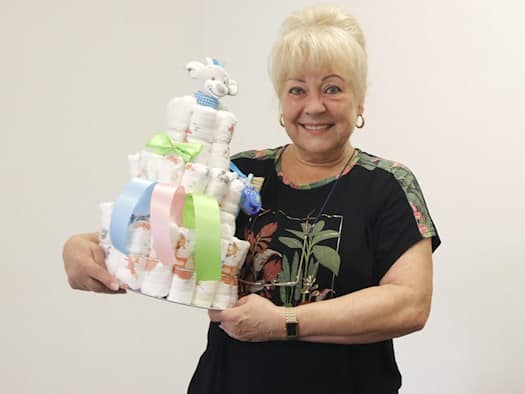
In Dresden-Pieschen fertigt Andrea Rehn im Zentralwerk personalisierte Geschenke für frischgebackene Eltern und deren Familien. Besonders gefragt sind bestickte Windeln mit Geburtsdaten sowie kreative Windeltorten – und das nicht nur online, sondern auch deutschlandweit über DM-Märkte. Jetzt gibt es 10 Prozent Rabatt im Shop. | more
Gruda was injured in Leverkusen, but his DFB debut is still possible. The national team won't play with him until October. | more
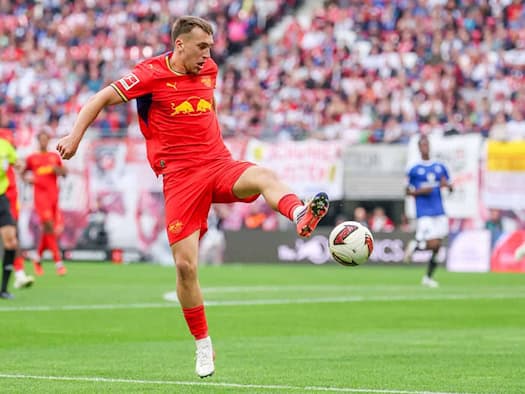
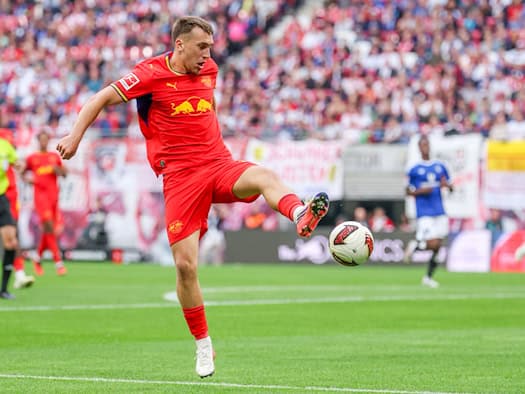
Thanks in part to another goal by Patrik Schick, Leverkusen wins at home against RB Leipzig. Before the game, the players and fans paid tribute to the late Bayer club icon Peter Hermann. | more
Zahnbehandlungen können in Deutschland schnell zur finanziellen Belastung werden. Besonders bei Implantaten, Kronen, Brücken oder umfangreichem Zahnersatz liegen die Kosten häufig im vierstelligen Bereich. Viele Patienten stehen dann vor einer schwierigen Entscheidung: Behandlung durchführen lassen und hohe Eigenanteile zahlen – oder den Eingriff aufschieben, obwohl er medizinisch sinnvoll wäre. | more
Leipzig's Gruda was called up by national team coach Klopp to the squad for the Nations League matches against Serbia and Greece. In Leverkusen, the 22-year-old had to be substituted due to injury. | more
Following Assan Ouédraogo, RB Leipzig has announced its second long-term absence in a week. Why striker Guiu has to sit out. | more
Gute Nachrichten tun gut. In unserem freitäglichen Good Newsletter bündeln wir die Geschichten, die Mut machen, inspirieren und zeigen, was in Sachsen vorangeht. Jetzt abonnieren und positive Nachrichten direkt ins Postfach bekommen. | more
13,000 people have decided: The red panda twins at the Leipzig Zoo are now named “Maya” and “Tashi.” Here’s the story behind the names and how the cubs are doing. | more
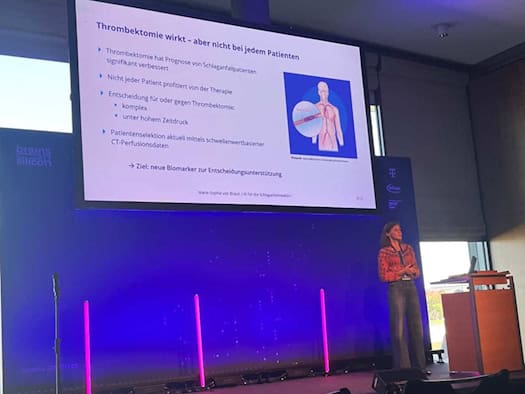
Dresden. Researchers at ScaDS.AI are developing an AI model for stroke care. It is intended to help assess which patients are suitable candidates for thrombectomy on a more individualized basis. | more
Die Ostsächsischen Maschinenbautage widmen sich am 28. und 29. Oktober dem Thema „Robotik im Maschinenbau“ und zeigen, wie Automatisierung und Nachhaltigkeit für kleine und mittlere Unternehmen zusammengehen. Nutzen Sie Kolloquium, Kooperationsbörse und Unternehmensbesichtigungen, um wertvolle Kontakte zu knüpfen und die grüne Zukunft des Grenzraums mitzugestalten. | more
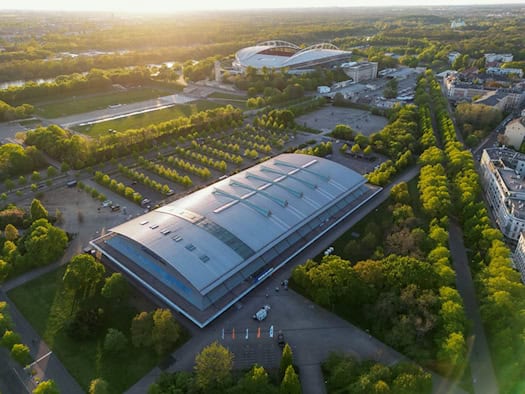
More space for spectators, a new arena for Bundesliga handball: With this modernization, Leipzig also aims to prepare for the Olympics. It’s not just elite sports that stand to benefit. | more
The highly talented forward continues to be dogged by bad luck at RB Leipzig. The 20-year-old is once again enduring a difficult stretch. | more
Schon wieder zu viel gegessen oder eine wichtige Aufgabe aufgeschoben? Oft reagieren wir auf solche Verhaltensweisen mit Selbstkritik. Doch damit bekämpfen wir meist nur das sichtbare Symptom – und übersehen, was wir in diesem Moment wirklich brauchen. | more
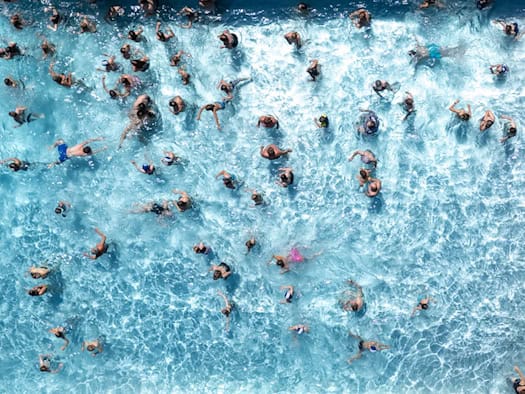
Outdoor pools in Saxony are reporting significantly more visitors than last year. The last weekend in June, in particular, saw the pools filled to capacity amid record-breaking temperatures. | more
First start, strong performance: Why Neil El Aynaoui chose RB Leipzig and what advice he gets from his famous father. | more
In jedem Verein, in jeder Straße, in jedem Treppenhaus gibt es diesen einen Menschen, der einfach da ist – ohne Bezahlung, ohne Applaus, oft ohne ein einziges Dankeschön. DIE SACHSEN NEWS startet eine neue Serie und sucht genau diese Menschen: Sachsens Alltagshelden. Und die Chancen stehen gut, dass Sie selbst schon eine oder einen kennen. | more
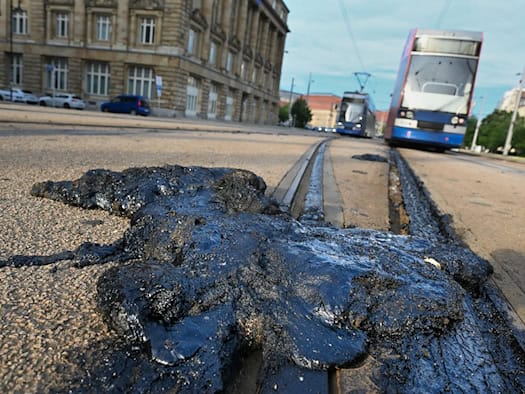
The TÜV report shows that extreme heat and heavy use led to the suspension of tram service in Leipzig. Here's how the LVB plans to respond. | more
In Leipzig, the BSW will discuss freedom of expression and tolerance with prominent guests. The possibility of collaborating with the AfD is also likely to come up. | more
In Dresden-Pieschen fertigt Andrea Rehn im Zentralwerk personalisierte Geschenke für frischgebackene Eltern und deren Familien. Besonders gefragt sind bestickte Windeln mit Geburtsdaten sowie kreative Windeltorten – und das nicht nur online, sondern auch deutschlandweit über DM-Märkte. Jetzt gibt es 10 Prozent Rabatt im Shop. | more
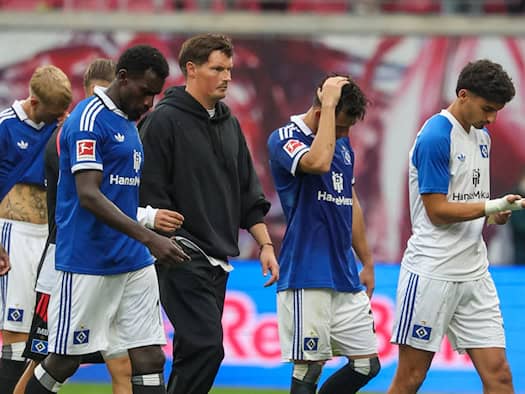
Harmless up front, disastrous in the back: Hamburger SV suffers its second consecutive 0-5 loss. How Coach Polzin plans to tackle the problems—and what the captain has to say about it. | more