


Metal extraction: Tiny bacteria become miners
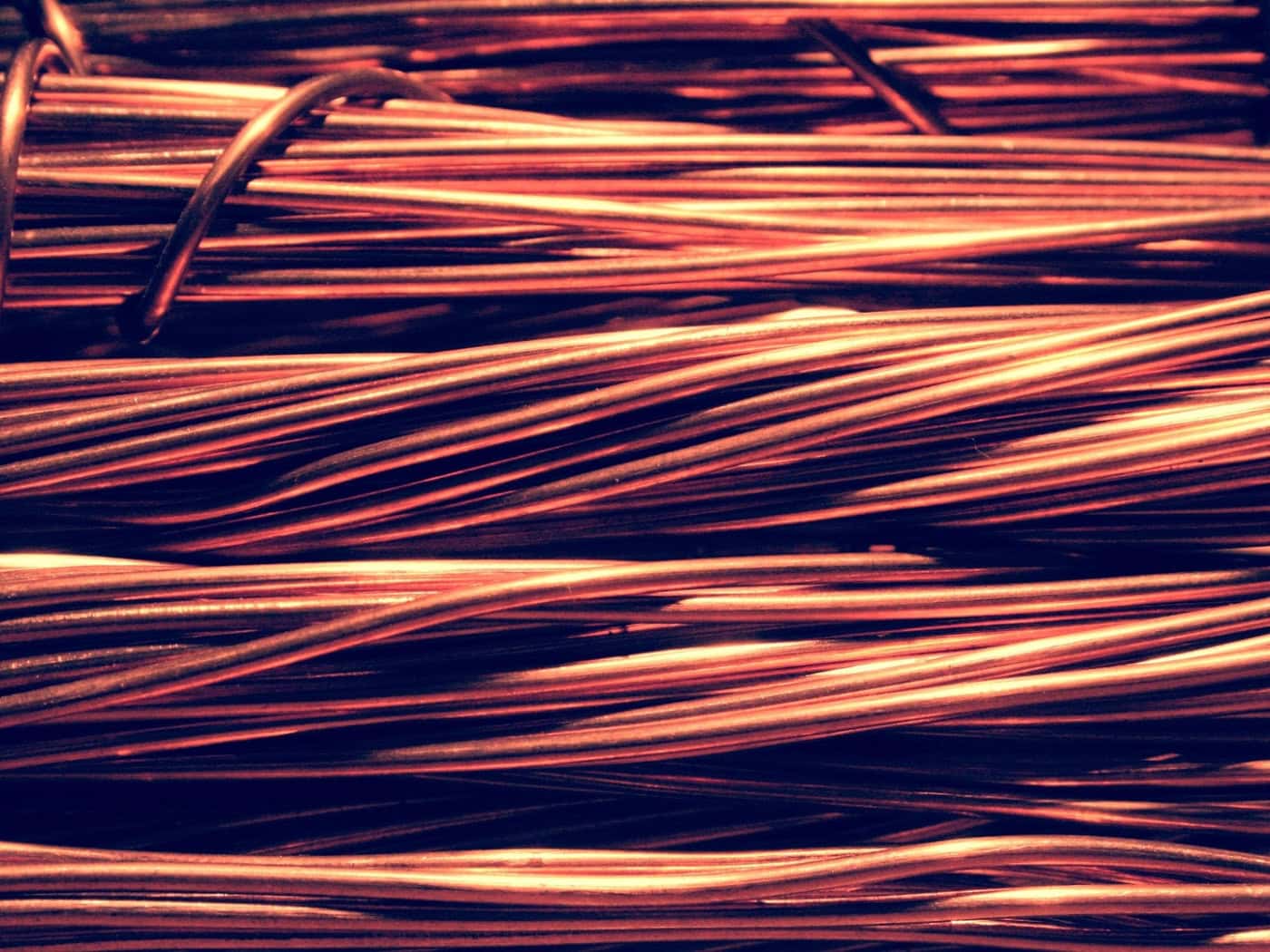
Copper is used in smartphones, electric cars and heating systems. But the mines are getting emptier, the ores poorer. Many easily accessible ore deposits have already been tapped, and new deposits often contain lower metal concentrations. Where will the metal of the future come from? Researchers at the Fraunhofer Institute for Electron Beam and Plasma Technology (FEP) in Dresden have a surprising answer: from waste - and with the help of bacteria.
The idea sounds unusual, but it works. Certain microorganisms can extract metals such as copper, indium or vanadium from ores and industrial waste. This process is called bioleaching. The bacteria eat their way through so-called metal sulphides, compounds in which metals are chemically bound. The process is considered to be particularly environmentally friendly because it does not require any toxic chemicals or climate-damaging emissions and uses significantly less energy than conventional smelting processes.
Bacteria as miners
The Dresden-based Fraunhofer FEP has now significantly improved this method. The researchers coupled a bioreactor, a container in which the bacteria live and work, with a source of low-energy electrons. Electrons are tiny, negatively charged particles. In bundled form as a beam, they can have a targeted effect on liquids and organisms. In initial experiments, the irradiation increased the copper yield by ten percent without damaging the bacteria.
"We use tiny living organisms as miners and give them an extra boost with electron radiation," says research leader Prof. Dr. Simone Schopf, describing the principle. "This allows us to recover valuable metals from material that was previously considered waste - that's the circular economy in action. "The circular economy means that raw materials are not simply used up and thrown away, but are used again and again. The technology and can make the recovery of valuable metals more economical.
Contribution to environmental protection
The hybrid system has recently been in operation. It can be used flexibly, requires little space and is scalable, meaning it can be expanded for larger quantities. "The combination of electron beam and bioreactor opens up completely new possibilities for controlling biotechnological processes in a targeted manner and increasing their efficiency," adds the scientist." This is an important contribution to securing raw materials and protecting the environment.
In addition to metal extraction, the technology could also be used in wastewater treatment or the production of biodegradable plastics in the future. The Fraunhofer FEP is already looking for partners from industry and research to further develop the system together.

