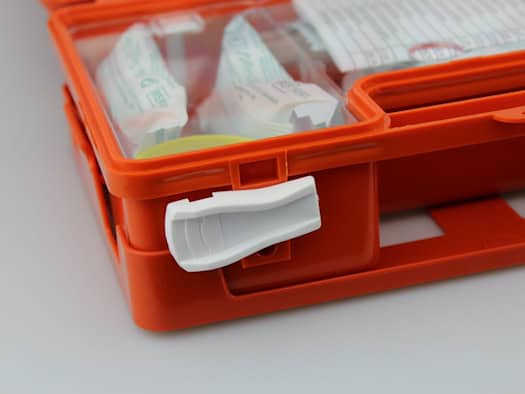
When wounds keep getting infected and antibiotics no longer work, the situation becomes dangerous. Researchers in Leipzig are now turning to an unusual combination: silver particles, dyes, and light. The results point to new possibilities for wound care in the future. | more
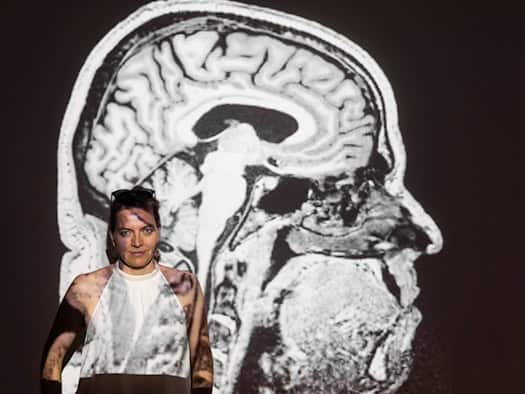
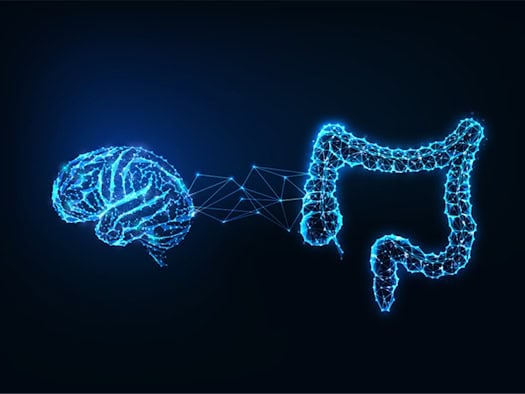
Billions of gut bacteria influence what we crave and how our brains make decisions. Researcher Veronica Witte at Leipzig University Medical Center is unraveling the mysterious connection between the gut and the brain. | more
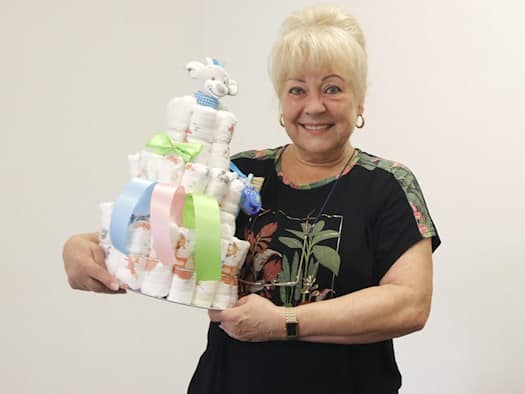
In Dresden-Pieschen fertigt Andrea Rehn im Zentralwerk personalisierte Geschenke für frischgebackene Eltern und deren Familien. Besonders gefragt sind bestickte Windeln mit Geburtsdaten sowie kreative Windeltorten – und das nicht nur online, sondern auch deutschlandweit über DM-Märkte. Jetzt gibt es 10 Prozent Rabatt im Shop. | more
Children born prematurely are diagnosed with autism far more often than those born at term. Yet this group has received relatively little attention in research so far. The EU-funded project MICRO-NEST aims to change that. With the involvement of TU Dresden, researchers are searching for biological clues that could point to autism long before a diagnosis is made. | more
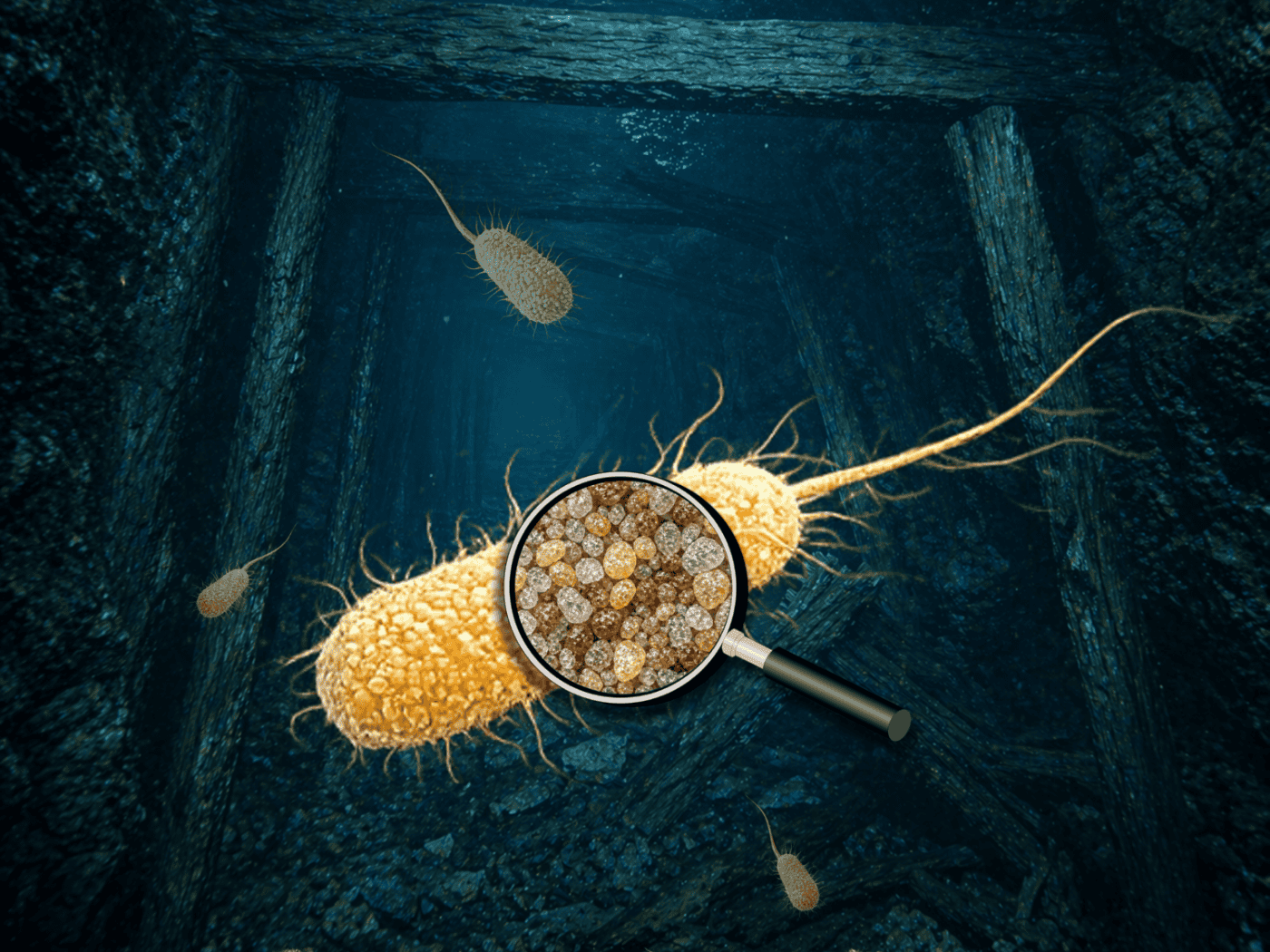
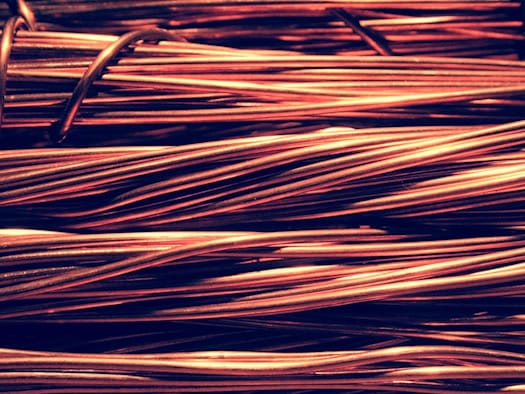
Extracting copper from waste - with the help of bacteria and electron beams. What sounds like a crazy idea is reality. The Fraunhofer FEP in Dresden is running a new plant that combines the two. The yield increases, the waste shrinks. A look at a technology that could change the supply of raw materials. | more