


Recognizing autism early: The search for the first clues
A premature birth can change the start to life. Some children only receive a diagnosis from the autism spectrum years later. Yet the first years of life are particularly important for encouragement and support. A new European research project is therefore looking for ways to detect autism earlier.
Prof. Mareike Albert and her team at the Center for Regenerative Therapies Dresden (CRTD) at TU Dresden are part of the international MICRO-NEST project. Together with researchers from Europe and Australia, they are looking for biological early warning signs of autism spectrum disorders. In other words, signs in the body that could become visible long before a diagnosis. The EU funding program Horizon Europe is providing six million euros for this purpose.
Autism spectrum disorders affect how people perceive their environment and communicate with others. Some of those affected are particularly sensitive to sounds, light or touch. Others have difficulty understanding social signals. The extent to which autism affects everyday life varies greatly from person to person. Premature babies belong to the risk groups. Children born before the 37th week of pregnancy are around three times more likely to be diagnosed with autism than children born on their due date.
Intestines, immune system and brain are connected
To date, there is no test that can reliably detect autism at an early stage. Doctors usually make the diagnosis based on a child's behavior. It therefore often takes years before there is clarity. This is exactly what MICRO-NEST wants to change. The researchers are investigating whether indications of a later autism diagnosis can be found around birth.
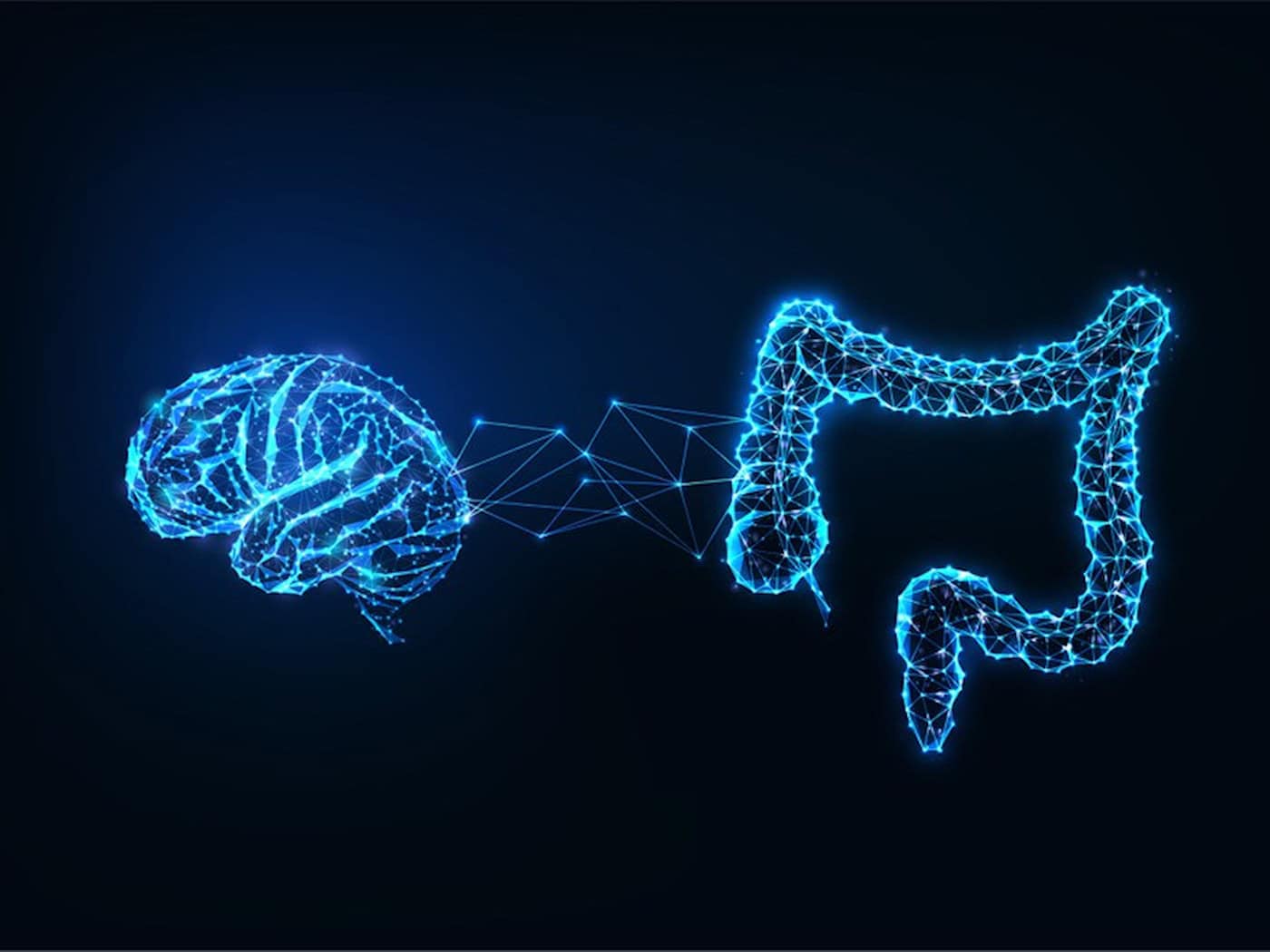
MICRO-NEST is taking an unusual approach. The project assumes that the environment around birth and early childhood shapes the brain through the immune system, the microbiome, i.e. all the bacteria in the gut, and other biological processes. Many people with autism also have gastrointestinal complaints. Researchers therefore suspect that the gut and brain are more closely connected than long thought.
The Dresden researchers bring a special expertise to the table: epigenetics. "Our genes are the blueprint of life, but epigenetics influences which chapters of this blueprint are actually read," explains Prof. Mareike Albert. This means that external influences, such as stress, nutrition or premature birth, can activate or deactivate certain genes without changing the blueprint itself. "Throughout our lives, environmental influences are reflected in these molecular switches."
A digital twin for diagnosis
The technical centerpiece of the project is a so-called digital twin. This is a computer-aided model that simulates a child's development based on body data. Put simply, a virtual image of a child is created on the computer. It is intended to help predict what development is likely and what support could be particularly helpful.
The aim of the project is to be able to recognize autism in children at risk earlier than before. To achieve this, the researchers are looking for measurable signs in the body that could be visible shortly after birth. At the same time, they want to develop new tools to support doctors in diagnosis and care. This should also improve the care of premature babies.
People with personal experience of autism and relatives have also been involved in the project from the outset. If reliable early warning signs can be identified, affected children could receive support much earlier than before. The project starts in September 2026 and is set to run for five years.

