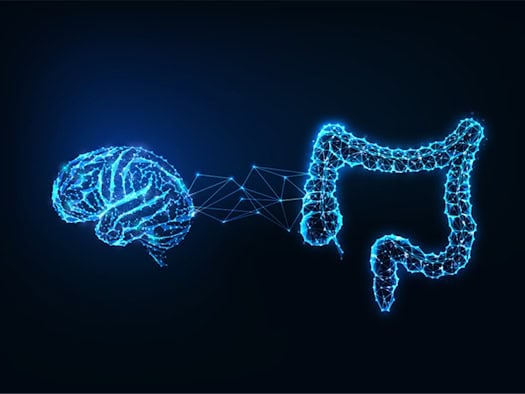
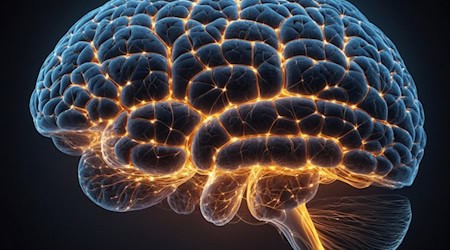
Billions of gut bacteria influence what we crave and how our brains make decisions. Researcher Veronica Witte at Leipzig University Medical Center is unraveling the mysterious connection between the gut and the brain. | more
Why do toddlers say "Hünde" instead of "Hunde"? Researchers at the Max Planck Institute in Leipzig have discovered that the maturity of certain nerve fibers in the brain determines when children can use plural rules with confidence. | more
Neue Kollektionen, neue Outlets und attraktive Angebote: In Schwarzheide-Mitte gibt es jetzt viel zu entdecken. Die Schulferien sind die ideale Gelegenheit, mit Familie oder Freunden durch die Shops zu bummeln und neue Lieblingsstücke für die kühleren Tage zu finden. | more
Children born prematurely are diagnosed with autism far more often than those born at term. Yet this group has received relatively little attention in research so far. The EU-funded project MICRO-NEST aims to change that. With the involvement of TU Dresden, researchers are searching for biological clues that could point to autism long before a diagnosis is made. | more
The key risk factors for dementia do not emerge only in old age. A study by Leipzig University shows that lifestyle and health are already linked to cognitive performance in young adults, suggesting that brain health may be shaped much earlier in life than previously thought. | more
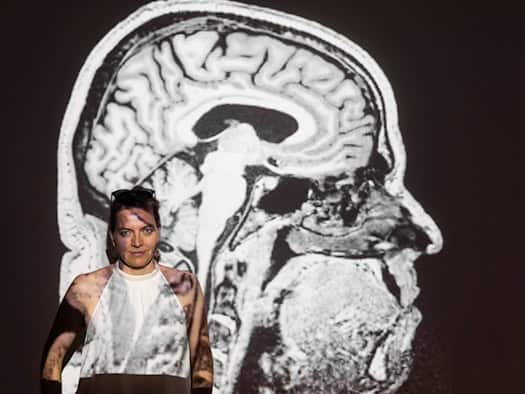
For decades, women were excluded from medical studies. Researchers at Leipzig University are now investigating how hormones shape the brain — and why this is crucial for women’s health. | more
Auf dem Weg zur Arbeit, beim Spaziergang durch Dresden oder beim Warten auf die nächste Bahn – überall können sie liegen: leere Pfandflaschen und Dosen. Für die meisten sind sie Müll, für andere ein kleiner Schatz. Genau daraus macht Pfandpirat eine digitale Schatzsuche, bei der Nutzer Fundorte entdecken, selbst Flaschen melden, Punkte sammeln und gemeinsam auf die Jagd gehen können. Hinter der ungewöhnlichen Idee steckt der Dresdner Sammy Zimmermanns. Wie aus herumliegenden Pfandflaschen ein echtes Spiel für die Stadt geworden ist, lesen Sie hier. | more
At Leipzig University Hospital, tailor-made surgical tools are being produced using 3D printing to make operations more precise and less invasive. Now the team is already working on the next step: smart glasses that project patient data directly into the surgeon’s field of view. | more
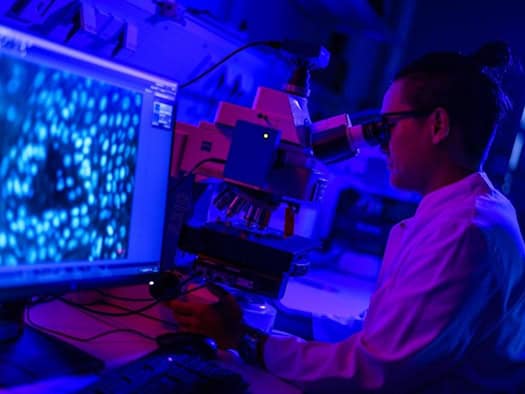
Researchers at Leipzig University have discovered a previously unknown group of immune cells in the brains of Alzheimer's patients. This was made possible by a new microscopy method developed specifically for the human brain. The discovery could be an important step on the way to new therapies. | more
Gute Nachrichten tun gut. In unserem freitäglichen Good Newsletter bündeln wir die Geschichten, die Mut machen, inspirieren und zeigen, was in Sachsen vorangeht. Jetzt abonnieren und positive Nachrichten direkt ins Postfach bekommen. | more
Why do we remember some experiences for a lifetime while forgetting others almost immediately? Researchers at the Universität Leipzig have discovered how a single signaling molecule in the brain of the fruit fly helps determine whether an experience is stored as a reward or a punishment. The findings offer new insights into how learning and memory work. | more
Cancer defeated, but the consequences remain: many brain tumor survivors still suffer from the long-term effects of radiotherapy years after their treatment. A research team at TU Dresden is now investigating these late effects – supported by more than two million euros in funding and with patients actively involved as research partners. | more
In jedem Verein, in jeder Straße, in jedem Treppenhaus gibt es diesen einen Menschen, der einfach da ist – ohne Bezahlung, ohne Applaus, oft ohne ein einziges Dankeschön. DIE SACHSEN NEWS startet eine neue Serie und sucht genau diese Menschen: Sachsens Alltagshelden. Und die Chancen stehen gut, dass Sie selbst schon eine oder einen kennen. | more
Why do we choose the same thing so often in restaurants? Researchers at TU Dresden have investigated what really guides our decisions and come to an astonishing conclusion: Repetition, not reason, is often the real boss in the ring. | more
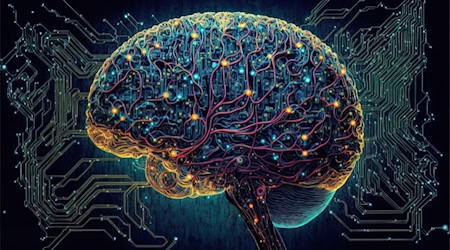
Researchers at Chemnitz University of Technology and the University of Magdeburg are working on a new approach to artificial intelligence. Their model: the human brain and its ability to develop habits. AI systems should learn to automate routine tasks - and consume significantly less energy in the process. | more
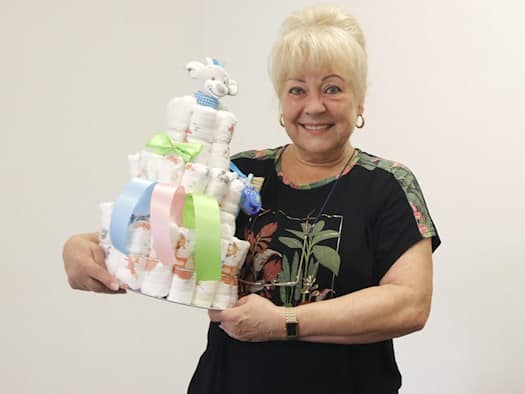
In Dresden-Pieschen fertigt Andrea Rehn im Zentralwerk personalisierte Geschenke für frischgebackene Eltern und deren Familien. Besonders gefragt sind bestickte Windeln mit Geburtsdaten sowie kreative Windeltorten – und das nicht nur online, sondern auch deutschlandweit über DM-Märkte. Jetzt gibt es 10 Prozent Rabatt im Shop. | more
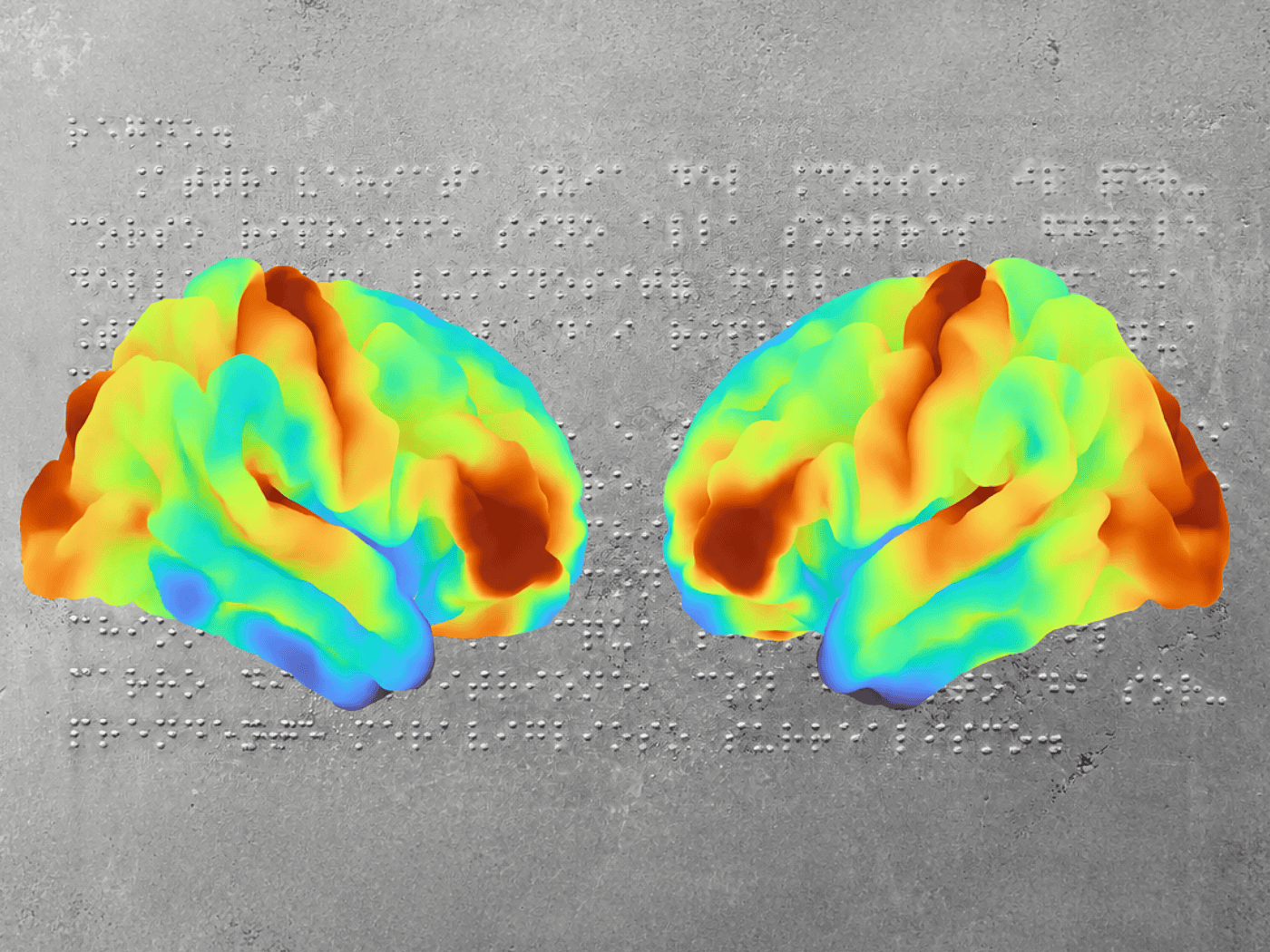
Which brain regions change with age? Where does the brain work differently in autism? Researchers from the Max Planck Institute in Leipzig have developed a mathematical method that answers precisely these questions. A new metric identifies 108 regions that are affected by ageing and 27 regions that are altered in autism spectrum disorders. The findings could pave the way for targeted therapies. | more
Is it possible to find people more likeable through thought alone? Yes, say researchers at the Max Planck Institute for Human Cognitive and Brain Sciences in Leipzig. Their study shows: Imagination changes the brain in a similar way to real experiences. This opens up new opportunities for therapy and relationships. | more
Zahnbehandlungen können in Deutschland schnell zur finanziellen Belastung werden. Besonders bei Implantaten, Kronen, Brücken oder umfangreichem Zahnersatz liegen die Kosten häufig im vierstelligen Bereich. Viele Patienten stehen dann vor einer schwierigen Entscheidung: Behandlung durchführen lassen und hohe Eigenanteile zahlen – oder den Eingriff aufschieben, obwohl er medizinisch sinnvoll wäre. | more
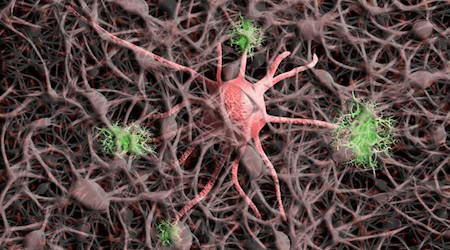
Learning happens in milliseconds - far too fast to observe directly. Researchers at Leipzig University have now refined a method that makes exactly this possible. They freeze nerve cells at lightning speed and can thus see how they transmit signals. The technique works in both mice and humans and could help to better understand diseases and ageing processes in the brain in the future. | more