


How our brain makes artificial intelligence smarter
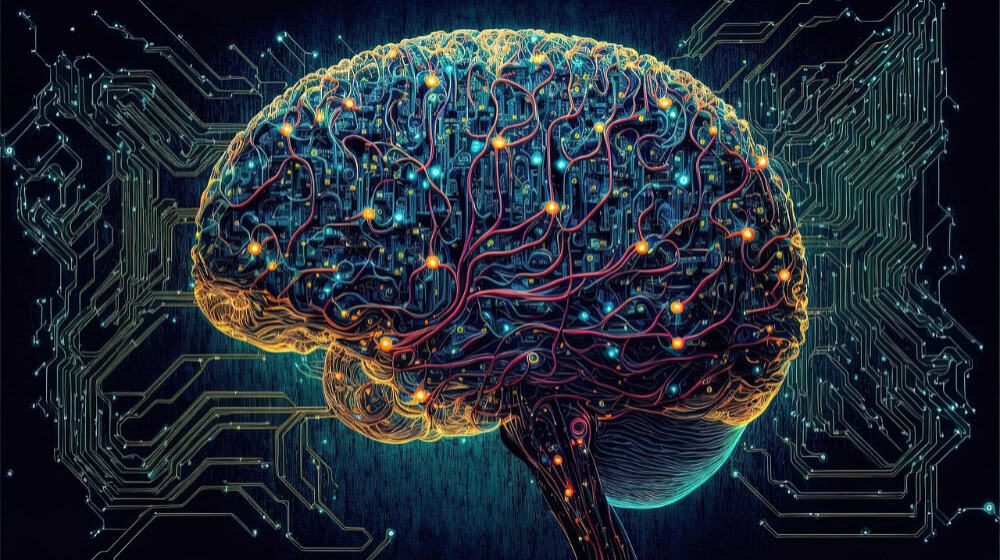
If you drive to work every morning, you no longer think about every move. The brain switches to autopilot. Artificial intelligence could soon be able to do what we take for granted. Researchers at Chemnitz University of Technology and Otto von Guericke University Magdeburg want to develop AI systems that adopt habits. The goal is clear: the technology should work faster and consume less energy in the process.
The pilot project "Brain-inspired use of efficient shortcuts in artificial intelligence" has now been launched. For three years, scientists are working on making large AI systems more efficient. The Federal Ministry of Research, Technology and Space is funding the project with around 365,000 euros.
Learning from the brain
The human brain is a master of efficiency. When we repeat something often, our nervous system creates shortcuts. Riding a bike, brushing your teeth, going to work - all of these things become automatic at some point. This saves the brain energy and allows it to focus on new, complex tasks.
"Just as the human brain automates frequently repeated reactions to free up cognitive capacity, AI systems can benefit from habit-like mechanisms to optimize processing efficiency," says Professor Fred Hamker from Chemnitz University of Technology. He heads the Chair of Artificial Intelligence. Together with Professor Markus Ullsperger from the Department of Neuropsychology at the University of Magdeburg, he wants to transfer this principle to AI.
Less computing power, more efficiency
Current AI systems consume enormous amounts of electricity. They recalculate every step, even when it comes to routine tasks. The research team wants to change this. The idea is to use shortcuts from the brain in AI as well. Hamker explains that these shortcuts require much less computing power for routine tasks. This significantly reduces energy consumption, while the AI systems remain flexible.
The scientists want to compare their new AI model with existing methods. The flexibility of humans also serves as a benchmark. The project will run until December 2028. The results should create the basis for a new type of AI system that can both automate routines and solve complex tasks.

