


Dresden gets one of the most powerful AI computers in Germany
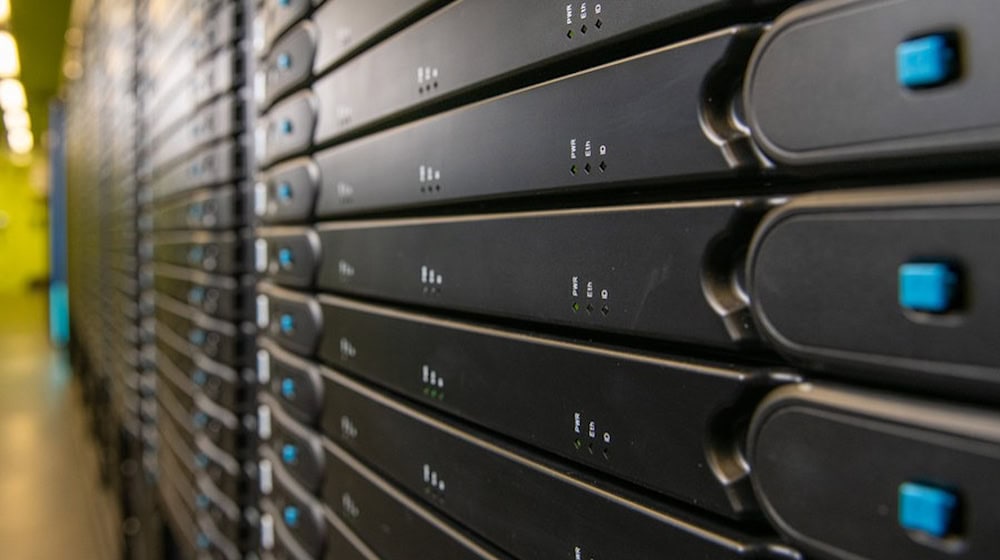
Artificial intelligence has long been part of our smartphones, translating texts and recognizing faces in photos. But behind these everyday applications are huge computing machines that take months to learn. One such supercomputer is now being built at the Technical University of Dresden. "Deneb" is the name of the new system, which will be conducting research from the end of 2026.
The Center for Information Services and High Performance Computing at TU Dresden is planning to install the new computer. Its main purpose is to meet the growing demands of machine learning research. This will strengthen TU Dresden's role as a national center for high-performance computing. The company Bull GmbH is building the system. The costs amount to around 9.4 million euros. The money comes from the federal government, the Free State of Saxony and the AI competence center ScaDS.AI Dresden/Leipzig.
184 special processors for artificial intelligence
Deneb is based on state-of-the-art technology from NVIDIA. At its heart are 46 computing nodes with a total of 184 latest-generation graphics processors. These chips have been specially developed for AI applications. They are particularly good at performing the calculations that artificial intelligence needs for learning.
A fast network connects all the computing nodes with each other. This allows them to work together on large AI models. There is also a huge memory with a capacity of two petabytes. This corresponds to around two million gigabytes. A special feature: Deneb is using processors with Arm technology for the first time at TU Dresden. These are particularly energy-efficient.
Computing heat heats Dresden buildings
The Center for Information Services and High Performance Computing pays attention to sustainability with its supercomputers. Deneb is 97 percent cooled with water. The resulting heat is not lost. It heats buildings in the surrounding area and flows into the district heating network. The two predecessor systems "Capella" and "Barnard" already work according to this principle.
The researchers are also investigating how supercomputers can be operated even more efficiently. Deneb itself serves as a research object. The findings will help to make future data centers more sustainable. The new supercomputer will therefore not only be a tool for AI research, but also a building block for more environmentally friendly computer technology.

