


Bioactive materials: New materials for the future
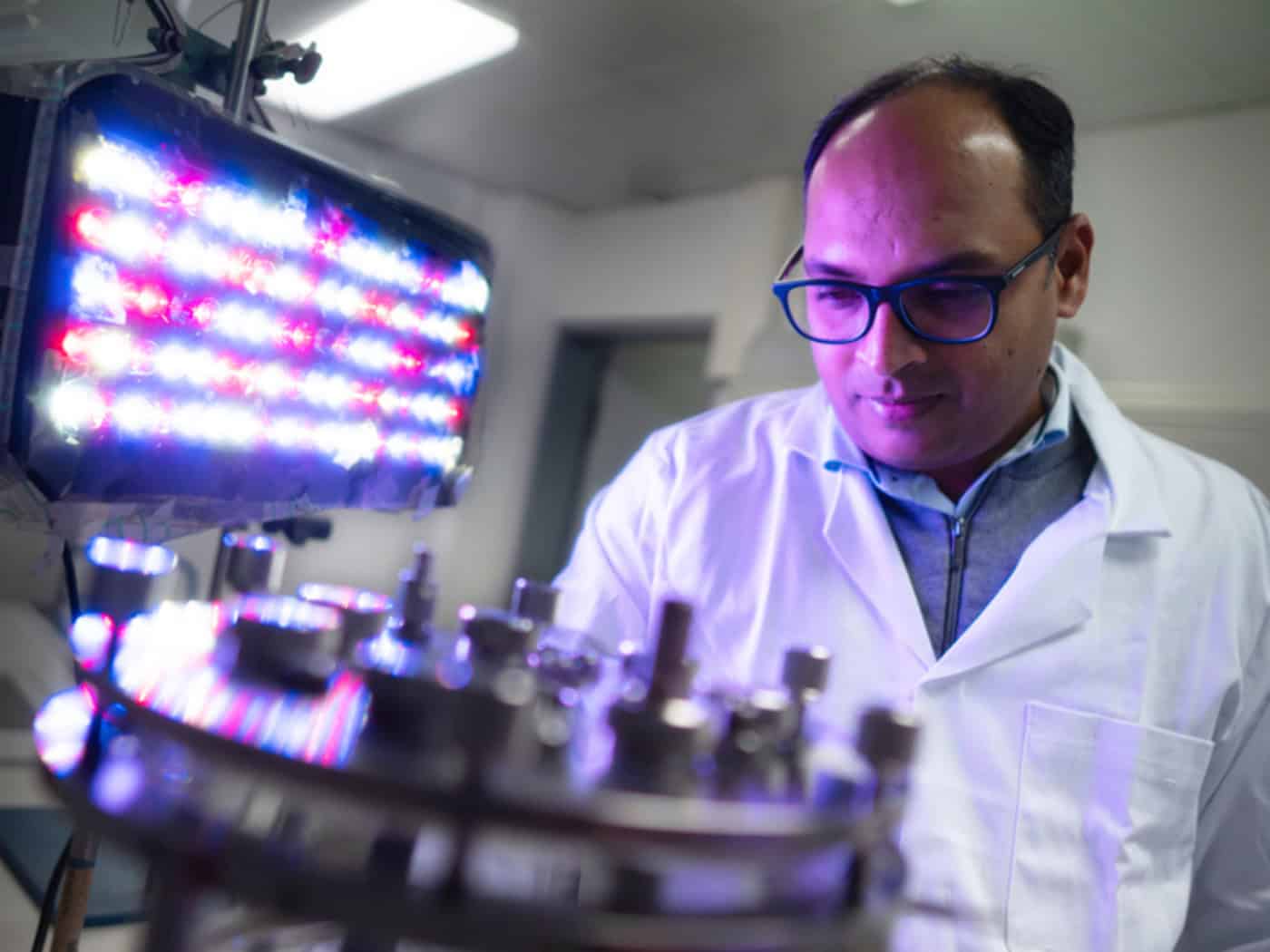
Bioactive materials that can interact with living cells or biological substances are considered an important technology of the future. One day, for example, they could be used in medical technology, environmental technology, or the food industry. To help such ideas move more quickly from the lab to practical application, the University of Leipzig is now further expanding its research in this field.
With the transACT project, the University of Leipzig is strengthening its research and transfer center, b-ACTmatter. The federal government and the Free State of Saxony will fund the project with more than 1.7 million euros over the next four years. The funding comes from the STARK program, which supports structural change in former coal-mining regions.
New materials for the future
The focus is on so-called bioactive materials. These are materials that interact with biological processes or utilize biological components. As a result, they could be used in a wide variety of fields in the future – from medical technology and environmental engineering to construction and the food industry. The center’s projects have already included, among other things, approaches to diagnostic procedures for cardiac arrhythmias as well as biosensors capable of detecting environmental pollutants.
Over the past four years, b-ACTmatter has built up the necessary research capabilities, laboratories, and a network to support this. With transACT, b-ACTmatter now aims to permanently establish itself as a platform for research, innovation, and technology transfer. At the same time, the researchers want to further expand their collaboration with companies and other research institutions.
Bringing ideas to practice faster
Partners include, among others, the Kurt Schwabe Institute for Measurement and Sensor Technology in Meinsberg and the Center for the Transformation of Chemistry in Delitzsch. Small and medium-sized enterprises, in particular, are to be more closely involved in the future.
In addition, a so-called Venture Lab is being established at the Biotechnology and Biomedical Center of the University of Leipzig. There, researchers can further develop new ideas without significant bureaucratic hurdles, build prototypes, and test new applications in collaboration with experts from various fields. This is intended to bring scientific findings from the lab into practice more quickly and promote spin-offs from research.

