


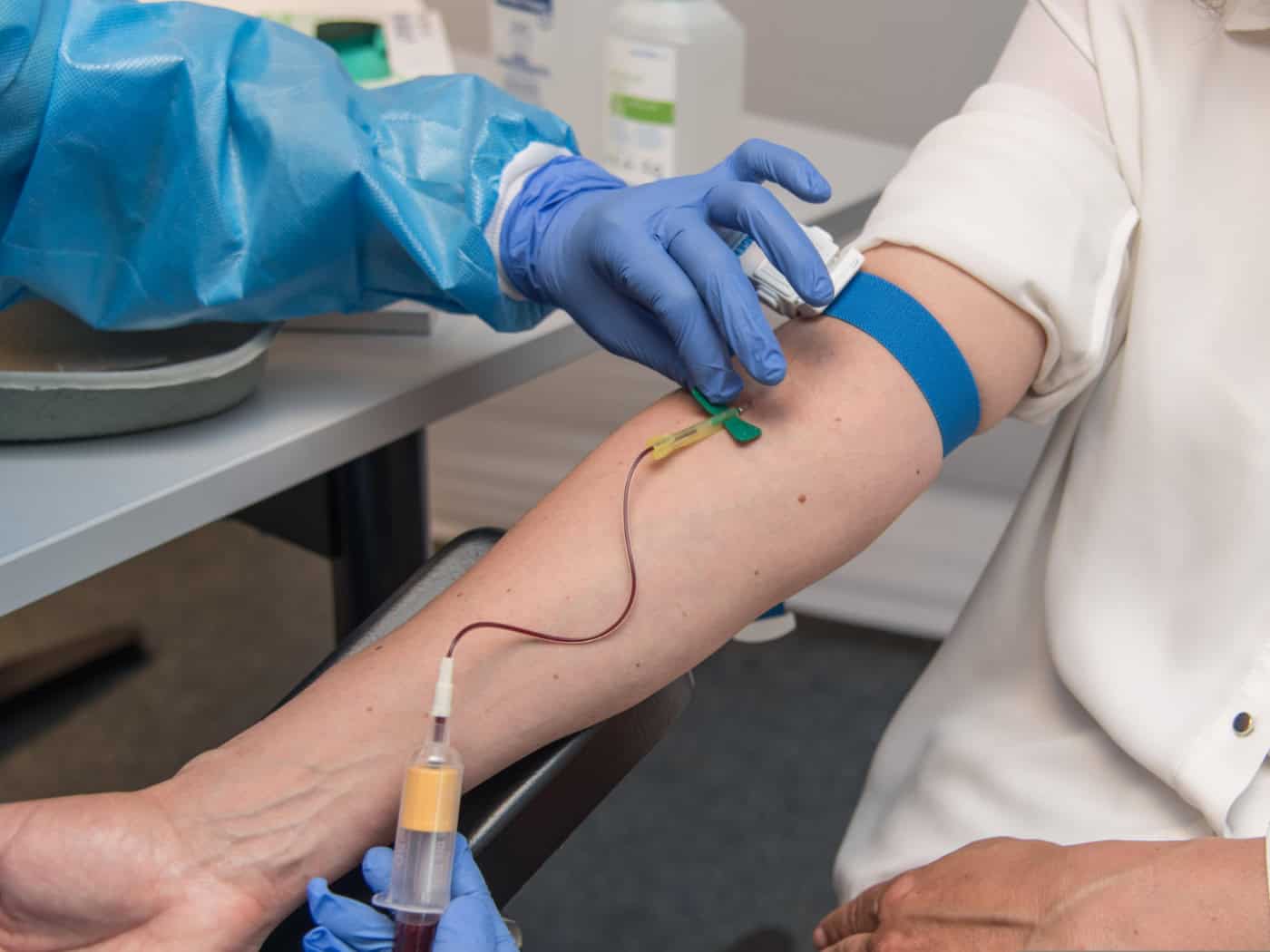
A blood test sounds the alarm before the disease returns. This principle is the result of around 20 years of research at the Dresden University Medical Center. The results could have a decisive influence on the treatment of certain forms of blood cancer in the future.
Leukemia is a cancer of the blood. Two forms are the focus of the Dresden RELAZA2 study. The first is myelodysplastic syndrome (MDS), a disease of the bone marrow in which healthy blood cells are no longer formed properly. The second is acute myeloid leukemia (AML), a particularly aggressive form of blood cancer. Both diseases can become life-threatening if they are not treated early.
Until now, doctors could do nothing until a relapse became clinically apparent. Two decades ago, the Dresden researchers asked a different question: what if it were possible to intervene much earlier?
The blood test as an early warning system
The key lies in so-called MRD markers. MRD stands for "measurable residual disease". Even after successful therapy, tiny amounts of diseased cells can remain in the body. Modern molecular blood tests can detect these remnants. They specifically search for tiny genetic traces of cancer cells in the blood long before symptoms appear. If the values increase, this indicates an impending relapse.
"The ability to reliably detect even minimal residual disease has fundamentally changed the treatment of AML and MDS," explains Christian Thiede, laboratory head of the study at the Medical Clinic I of the University Hospital Dresden. "Today, MRD is no longer just a prognostic marker, but can be used for therapeutic decisions."
The long-term data now published from the RELAZA2 study show that starting treatment early on the basis of these markers can delay or possibly prevent relapses. RELAZA2 is considered to be the first study worldwide in which patients were treated for blood cancer on the basis of such early warning signals.
Two decades of research
The journey began back in 2005 with a small pilot study. At that time, doctors at Dresden University Hospital tested for the first time whether relapses could be detected and treated at an early stage using molecular blood markers. This later led to the RELAZA2 study, which involved clinics from all over Germany.
"When we started with the first MRD-guided approaches twenty years ago, it was still unclear whether this would actually develop into a new therapeutic approach," says Uwe Platzbecker, Medical Director of Dresden University Hospital. "The RELAZA2 long-term data now show that early intervention based on molecular markers has the potential to have a decisive impact on the course of the disease."
The research was made possible by the Study Alliance Leukemia (SAL) network, which includes more than 50 hospitals in Germany and Austria. The work was coordinated from Dresden. "This work shows impressively how clinical research can produce new treatment strategies through cooperation over many years," emphasizes Martin Bornhäuser, Director of the Medical Clinic I and one of the Managing Directors of the National Center for Tumor Diseases Dresden. He calls the study an important basis for personalized therapy approaches. The study was conducted under the sponsorship of TU Dresden.
Original publication:
Publication:"Azacitidine to treat measurable residual disease in patients with MDS/AML: final long-term results of the RELAZA2 trial"
Editorial

