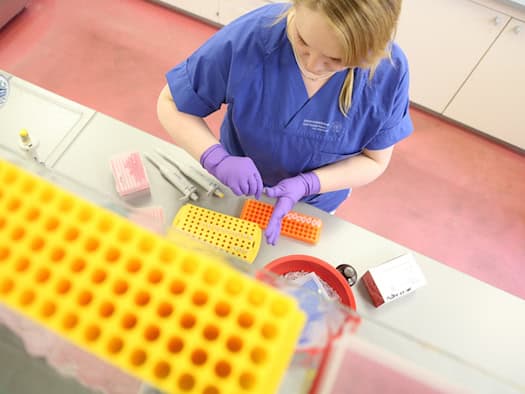
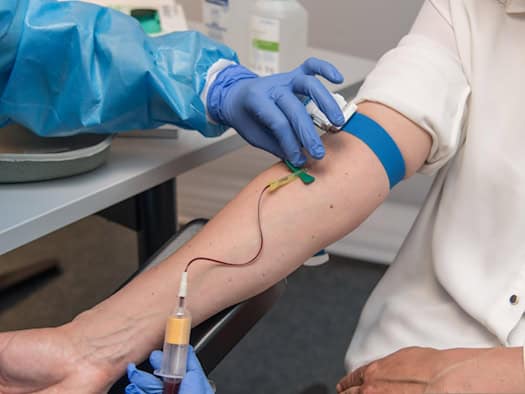
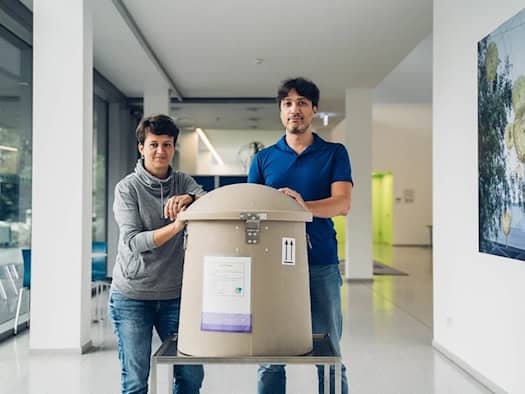
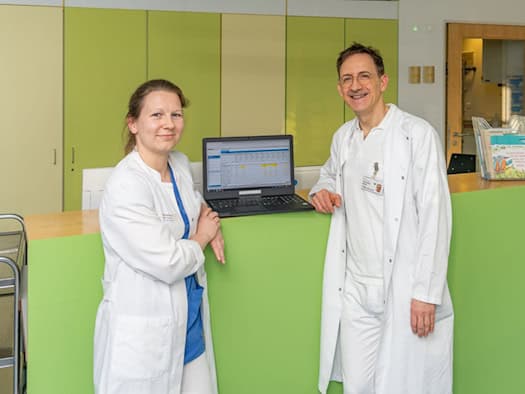
Blood, urine, tissue samples: The BioBank Dresden at the University Hospital stores biological material deep-frozen in order to advance the medicine of tomorrow. Since 2022 also from children and adolescents. A new research project is using these samples to better understand Long COVID in children, for example. | more
Cancer researchers in Dresden have tested a new immunotherapy that specifically targets the body's own immune system against tumor cells. The initial results are promising. They could help patients for whom other therapies no longer work. | more
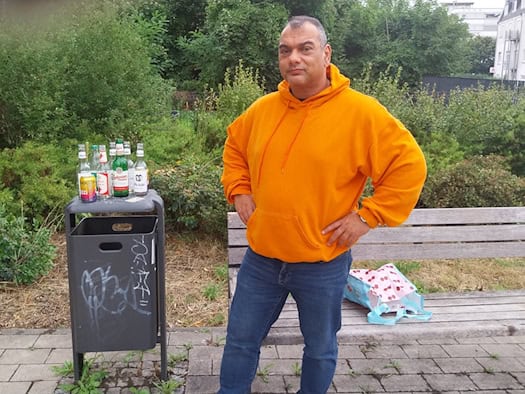
Auf dem Weg zur Arbeit, beim Spaziergang durch Dresden oder beim Warten auf die nächste Bahn – überall können sie liegen: leere Pfandflaschen und Dosen. Für die meisten sind sie Müll, für andere ein kleiner Schatz. Genau daraus macht Pfandpirat eine digitale Schatzsuche, bei der Nutzer Fundorte entdecken, selbst Flaschen melden, Punkte sammeln und gemeinsam auf die Jagd gehen können. Hinter der ungewöhnlichen Idee steckt der Dresdner Sammy Zimmermanns. Wie aus herumliegenden Pfandflaschen ein echtes Spiel für die Stadt geworden ist, lesen Sie hier. | more
Detecting leukemia relapses before they become visible: A long-term study from Dresden shows how molecular blood tests could transform blood cancer treatment. | more
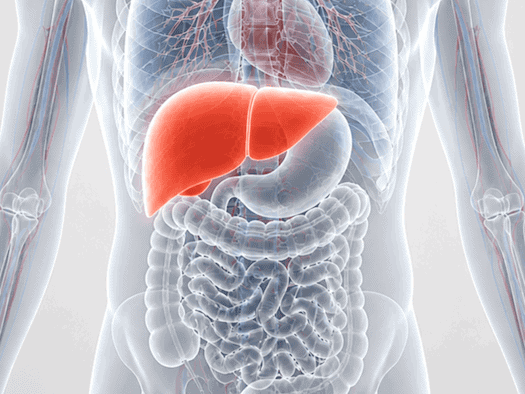
More than 200,000 people in Germany are newly diagnosed with liver cirrhosis each year. A team of doctors in Dresden has now used an advanced stent for the first time worldwide outside of a clinical study — it is expected to improve treatment for patients. | more
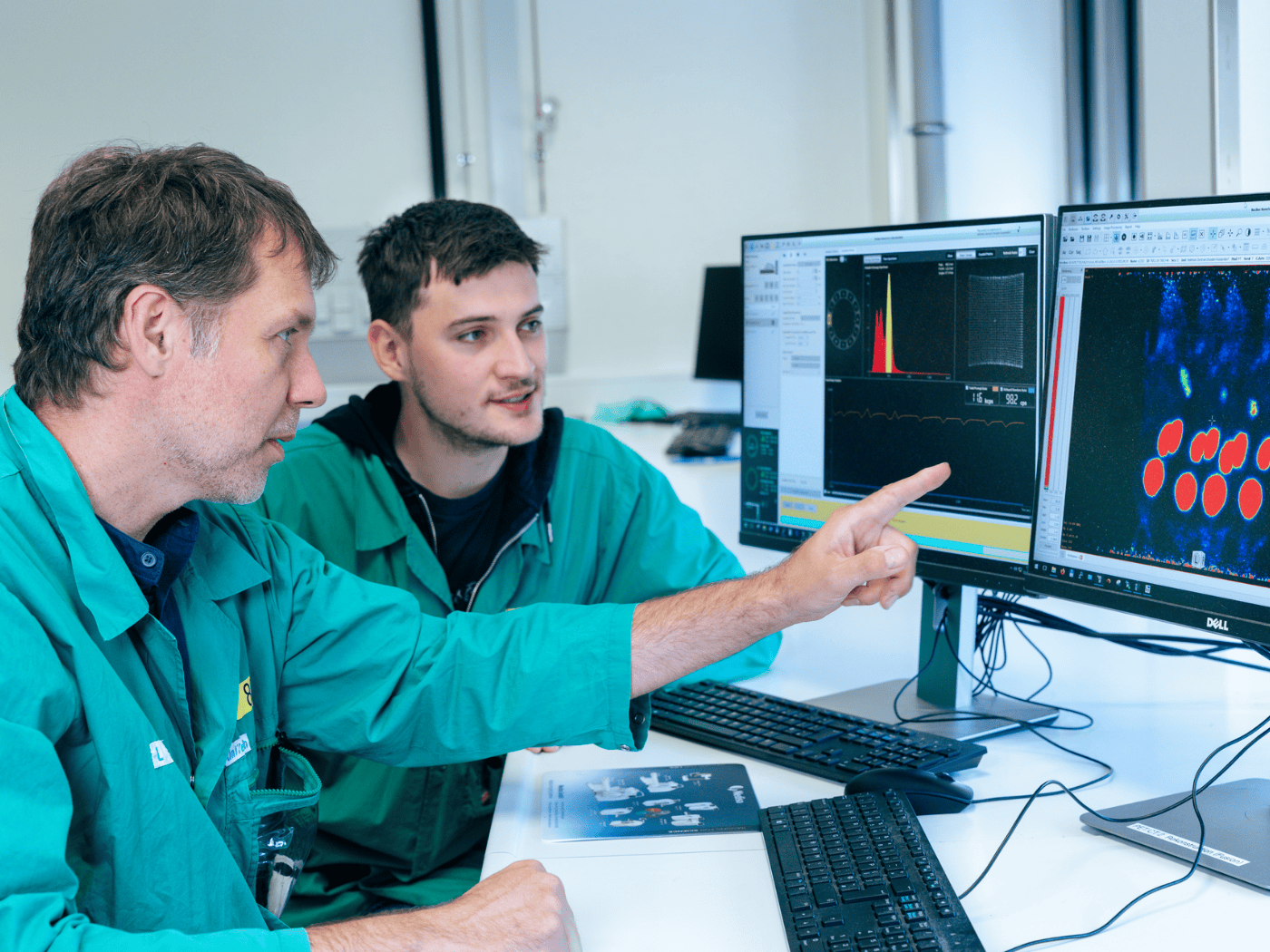
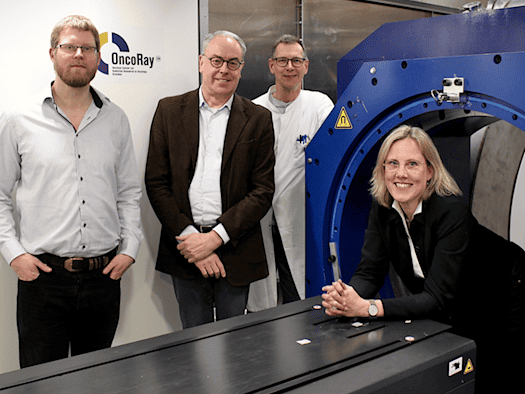
Irradiating a tumor while it moves with every breath is one of the major challenges in cancer treatment. Researchers in Dresden are working to solve this problem using a globally unique device and €1.1 million in research funding. | more
Gute Nachrichten tun gut. In unserem freitäglichen Good Newsletter bündeln wir die Geschichten, die Mut machen, inspirieren und zeigen, was in Sachsen vorangeht. Jetzt abonnieren und positive Nachrichten direkt ins Postfach bekommen. | more
Special receptors on our cells can take up to 100 days to cleave themselves – far too slow to function properly. Researchers at Leipzig University have now discovered why this happens – and how it can be changed. Their findings could pave the way for new drugs to treat cancer and neurological diseases. | more
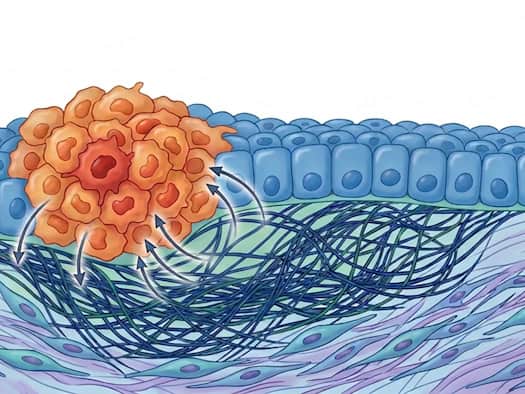
Why do some tiny tumors survive while others disappear? Researchers from Dresden and Cambridge have a surprising answer: cancer cells build their own protective zone. | more
In jedem Verein, in jeder Straße, in jedem Treppenhaus gibt es diesen einen Menschen, der einfach da ist – ohne Bezahlung, ohne Applaus, oft ohne ein einziges Dankeschön. DIE SACHSEN NEWS startet eine neue Serie und sucht genau diese Menschen: Sachsens Alltagshelden. Und die Chancen stehen gut, dass Sie selbst schon eine oder einen kennen. | more
Dresden researchers isolate stem cells from the umbilical cords of healthy newborns that could save lives. A recent study suggests that the cells developed at University Hospital Carl Gustav Carus may reduce mortality in severe COVID-19. They are now also being tested in patients with sepsis. | more
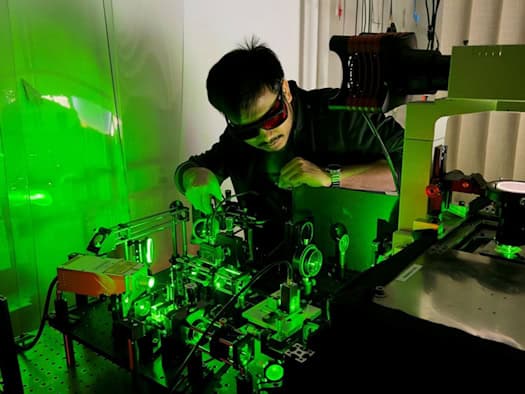
Tiny robots that navigate through the body without sensors and deliver drugs to their target. Researchers at Leipzig University have shown that this is possible. Their microswimmers learn from their own movements. An important step for the medicine of tomorrow. | more
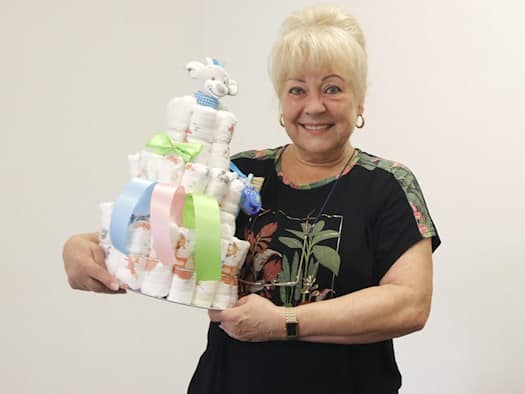
In Dresden-Pieschen fertigt Andrea Rehn im Zentralwerk personalisierte Geschenke für frischgebackene Eltern und deren Familien. Besonders gefragt sind bestickte Windeln mit Geburtsdaten sowie kreative Windeltorten – und das nicht nur online, sondern auch deutschlandweit über DM-Märkte. Jetzt gibt es 10 Prozent Rabatt im Shop. | more
Migraine attacks return several times a month for many patients. Yet millions of people still do not receive treatment tailored to their needs. The MIGRA-MD study aims to change this with a digital, personalised approach. Dresden University Hospital is taking part and is looking for participants from the region. | more
Blood cancer affects tens of thousands of people in Germany. For many, a stem cell transplant is the last hope. But which preparation for this procedure helps the most, especially for older or previously ill patients? Researchers at Dresden University Hospital and Kiel University Hospital now want to find out in the largest German study of its kind. | more
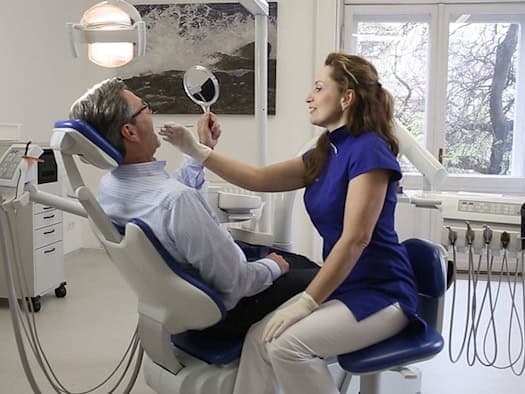
Zahnbehandlungen können in Deutschland schnell zur finanziellen Belastung werden. Besonders bei Implantaten, Kronen, Brücken oder umfangreichem Zahnersatz liegen die Kosten häufig im vierstelligen Bereich. Viele Patienten stehen dann vor einer schwierigen Entscheidung: Behandlung durchführen lassen und hohe Eigenanteile zahlen – oder den Eingriff aufschieben, obwohl er medizinisch sinnvoll wäre. | more
Around one in three stroke patients suffers a relapse - often just a few days after the initial cerebral infarction. Doctors at TU Dresden are now starting a large nationwide study with 2,100 participants. They want to find out whether a combination of two drugs provides better protection against a second stroke than the current standard therapy. The Federal Ministry of Research is funding the project with three million euros. | more
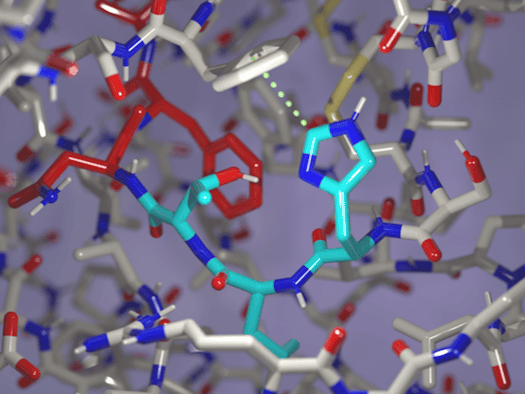
How do cells talk to each other? A team at TU Dresden has succeeded in making the most important sensors on the cell surface visible for the first time. The so-called proteoglycans receive signals and control how cells grow and react. The new method could help to better understand cancer and develop new therapies in the future. | more
Nach zwei Jahren erfolgreicher Zusammenarbeit geht das INTERREG-Projekt „Grenzüberschreitende Experimentiergärten“ in die finale Phase. Am 4. November lädt das Technologie- und Gründerzentrum Bautzen zur Abschlusskonferenz „Impulse für die MINT-Bildung von morgen“ ein – ein Höhepunkt des Wissenschaftsjahres 2026. | more
In future, nanoparticles will be used to distribute drugs in the body in a targeted manner. But how does the blood react to these tiny helpers? A study from Dresden shows that both the mass and number of particles are crucial. | more
Is it possible to find people more likeable through thought alone? Yes, say researchers at the Max Planck Institute for Human Cognitive and Brain Sciences in Leipzig. Their study shows: Imagination changes the brain in a similar way to real experiences. This opens up new opportunities for therapy and relationships. | more
Neue Kollektionen, neue Outlets und attraktive Angebote: In Schwarzheide-Mitte gibt es jetzt viel zu entdecken. Die Schulferien sind die ideale Gelegenheit, mit Familie oder Freunden durch die Shops zu bummeln und neue Lieblingsstücke für die kühleren Tage zu finden. | more
Researchers at the Helmholtz-Zentrum Dresden-Rossendorf have developed a molecular marker to help doctors choose the right bladder cancer therapy. The radiotracer NECT-224 makes visible whether tumors carry a certain protein to which modern drugs can dock. In summer 2025, it was used successfully for the first time on a patient at Dresden University Hospital. | more
A research group at TU Dresden has decoded a central mechanism in cancer cells. This enables safer therapies. | more
Auf dem Weg zur Arbeit, beim Spaziergang durch Dresden oder beim Warten auf die nächste Bahn – überall können sie liegen: leere Pfandflaschen und Dosen. Für die meisten sind sie Müll, für andere ein kleiner Schatz. Genau daraus macht Pfandpirat eine digitale Schatzsuche, bei der Nutzer Fundorte entdecken, selbst Flaschen melden, Punkte sammeln und gemeinsam auf die Jagd gehen können. Hinter der ungewöhnlichen Idee steckt der Dresdner Sammy Zimmermanns. Wie aus herumliegenden Pfandflaschen ein echtes Spiel für die Stadt geworden ist, lesen Sie hier. | more
Lois Openda from RB Leipzig uses colored glasses to keep him wide awake on the pitch. The speedy striker has another trick up his sleeve. | more