


Tiny helpers with side effects: What nanoparticles trigger in the blood
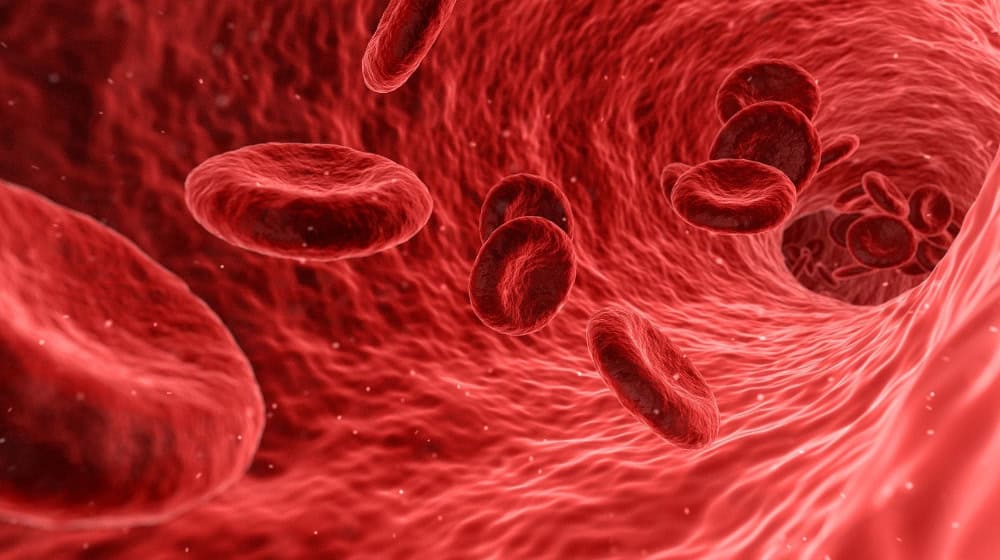
Drugs that are transported directly to diseased cells using tiny particles - that sounds like a dream of the future. But nanomedicine has long been a reality. However, there are still unanswered questions. This is because the tiny particles enter the body via the bloodstream. Researchers have now investigated exactly what happens there.
Scientists from the Leibniz Institute of Polymer Research in Dresden have tested silk nanoparticles in a study. These particles are so small that they cannot be seen with the naked eye. In future, they could be used to distribute active substances in the body in a targeted manner. However, as foreign materials, they can also trigger undesirable reactions. They can activate blood clotting or cause inflammation. Until now, it was unclear what these reactions depended on - the number of particles, their surface area or their weight.
Size and mass play a role
The researchers tested nanoparticles in three different sizes. These were examined in human blood under realistic conditions. This revealed a complex picture. The activation of blood clotting depended primarily on the total mass used. The more material in the blood, the stronger the reaction of the coagulation system. The situation was different for certain immune cells, the granulocytes. Here, the number of particles played a major role. This indicates that these cells come into direct contact with the individual particles.
Proteins from the blood plasma had a protective effect. They wrapped themselves around the nanoparticles and dampened the reactions of the immune cells. In addition, the curvature of the particle surface and spatial restrictions in the assembly of enzyme complexes also influenced the results.
Important findings for safe therapies
The study makes it clear that the design of such nanoparticles must be well thought out. There is a conflict of objectives. Either you develop particles that activate as few immune cells as possible. Or you focus on ensuring that the signaling pathways in the blood plasma hardly react at all. It is difficult to achieve both at the same time.
The findings will help to make future drugs safer. Because only when the interactions with the blood are understood can nanoparticles develop their full potential - without undesirable side effects.

