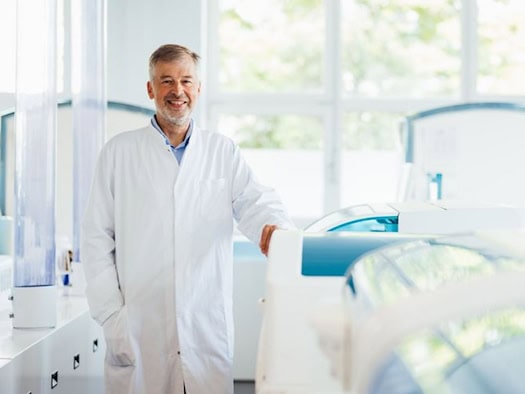
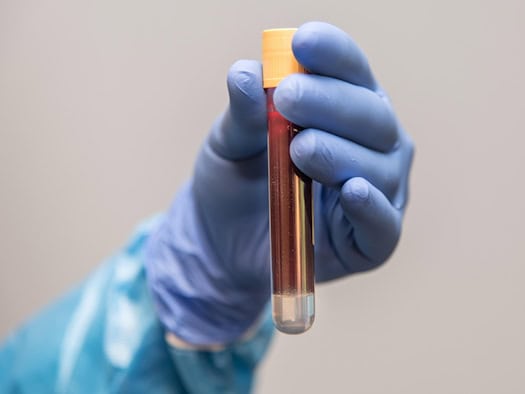
Detecting leukemia relapses before they become visible: A long-term study from Dresden shows how molecular blood tests could transform blood cancer treatment. | more
Pre-eclampsia, a serious complication during pregnancy, has so far had few treatment options. Researchers at Leipzig University Medicine have now tested a new therapeutic approach in patients for the first time. The early results are promising. | more
Das europäische Austauschprogramm Erasmus für Jungunternehmer eröffnet nicht nur sächsischen Gründern und etablierten Unternehmen neue internationale Perspektiven. Das TGZ Bautzen begleitet das Netzwerk auch künftig als erfahrener Partner. | more
Why do people die not from the actual trigger, but from an excessive reaction of their own body? Prof. Berend Isermann from the University of Leipzig is investigating exactly this question. In medicine, this phenomenon is known as thrombo-inflammation. Isermann and his team have identified a molecular “switch” that could one day make it controllable. | more
A blood test using just a few drops of blood could help prevent severe diabetic crises in children. Researchers at TU Dresden and Carl Gustav Carus University Hospital are involved in a European project to detect type 1 diabetes before symptoms appear. So far, 100,000 children have been screened. | more
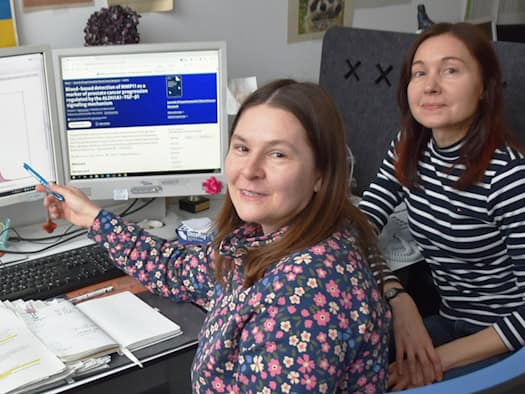
Researchers in Dresden have discovered a protein in the blood that reveals how aggressive a prostate tumor is. Following further tests, MMP11 could be used as a simple blood test in the future and make cancer therapy more targeted. | more
Ein Glas Wasser kann mehr als den Durst löschen. Es kann nach Heimat schmecken. Oppacher Mineralwasser stammt aus elf eigenen Tiefbrunnen im Oberlausitzer Bergland. Die Bohrungen reichen bis zu 300 Meter tief in kristallines Granitgestein. Dort entsteht sein natriumarmes, sanft mineralisiertes Profil. | more
Patients with an aggressive form of blood cancer, acute myeloid leukemia, previously had little chance of recovery when the disease returned. Researchers in Dresden have changed this. With a new combination of therapies, three times as many patients now achieve the decisive step towards a cure. | more
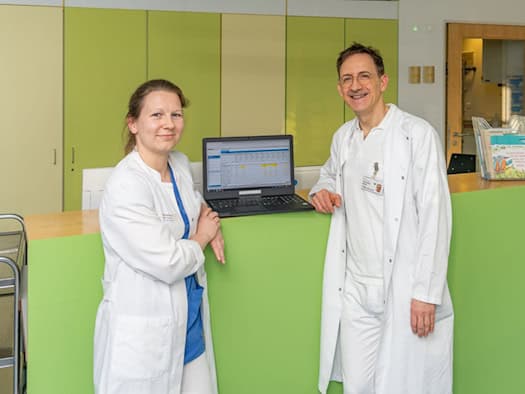
Blood cancer affects tens of thousands of people in Germany. For many, a stem cell transplant is the last hope. But which preparation for this procedure helps the most, especially for older or previously ill patients? Researchers at Dresden University Hospital and Kiel University Hospital now want to find out in the largest German study of its kind. | more
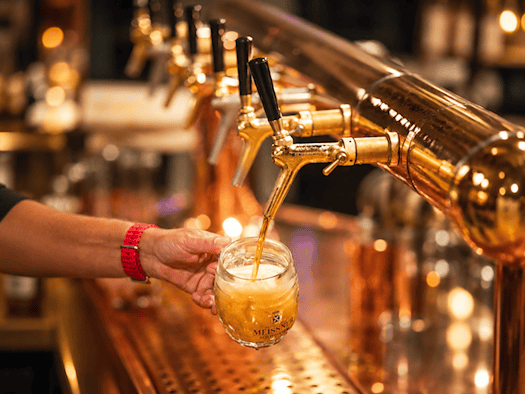
Das Familienunternehmen Meißner Schwerter erhielt 2025 den Bundesehrenpreis für Bier – als eine von zwölf Brauereien bundesweit. Hinter der Auszeichnung stehen Braumeister mit Erfahrung, regionale Rohstoffe und eine Brautradition, deren Wurzeln bis ins Jahr 1460 reichen. Kennenlernen lässt sich diese Meißner Braukultur auch in den Gasthäusern der Privatbrauerei. | more
Researchers in Leipzig have developed a new method to prevent dangerous rejection reactions after blood stem cell transplants. The Fraunhofer Institute for Cell Therapy and Immunology treats donor cells with special antibodies prior to transplantation. Unlike previous approaches, this therapy does not weaken the entire immune system. Initial tests in the laboratory have been very promising. | more
Every year, 75,000 people in Germany die from sepsis. Many deaths could be avoided. Leipzig University Hospital is now launching a nationwide project with 7.5 million euros in funding to improve treatment. The researchers want to digitally link all treatment data and use modern pathogen diagnostics to detect dangerous progressions earlier. Partners are university hospitals from four other cities. | more
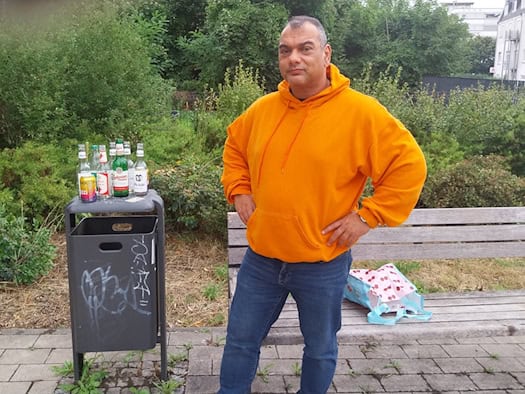
Auf dem Weg zur Arbeit, beim Spaziergang durch Dresden oder beim Warten auf die nächste Bahn – überall können sie liegen: leere Pfandflaschen und Dosen. Für die meisten sind sie Müll, für andere ein kleiner Schatz. Genau daraus macht Pfandpirat eine digitale Schatzsuche, bei der Nutzer Fundorte entdecken, selbst Flaschen melden, Punkte sammeln und gemeinsam auf die Jagd gehen können. Hinter der ungewöhnlichen Idee steckt der Dresdner Sammy Zimmermanns. Wie aus herumliegenden Pfandflaschen ein echtes Spiel für die Stadt geworden ist, lesen Sie hier. | more
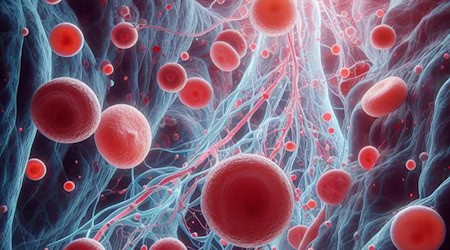
In future, nanoparticles will be used to distribute drugs in the body in a targeted manner. But how does the blood react to these tiny helpers? A study from Dresden shows that both the mass and number of particles are crucial. | more
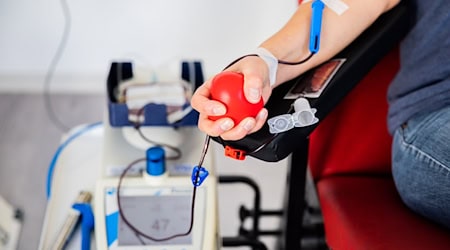
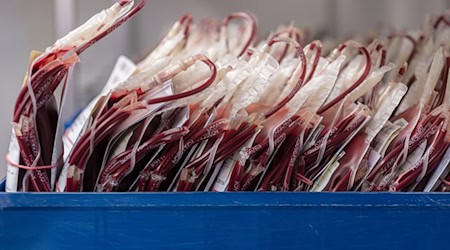
Blood donations have been declining since mid-October. The supply is still secure, but if fewer people come to donate on just a few days, the depots could quickly be used up. | more
Gute Nachrichten tun gut. In unserem freitäglichen Good Newsletter bündeln wir die Geschichten, die Mut machen, inspirieren und zeigen, was in Sachsen vorangeht. Jetzt abonnieren und positive Nachrichten direkt ins Postfach bekommen. | more
Donating and receiving blood is based on solidarity. A generational change is now imminent - baby boomers are increasingly turning from donors into recipients. Now the next generation is in demand. | more
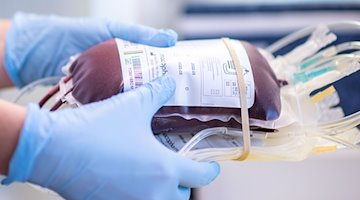
The blood bank at Leipzig University Hospital (UKL) is urgently looking for blood donors due to the current wave of colds and increased requests around Christmas and New Year. The stock of life-saving blood products has fallen by more than a third. | more
In jedem Verein, in jeder Straße, in jedem Treppenhaus gibt es diesen einen Menschen, der einfach da ist – ohne Bezahlung, ohne Applaus, oft ohne ein einziges Dankeschön. DIE SACHSEN NEWS startet eine neue Serie und sucht genau diese Menschen: Sachsens Alltagshelden. Und die Chancen stehen gut, dass Sie selbst schon eine oder einen kennen. | more