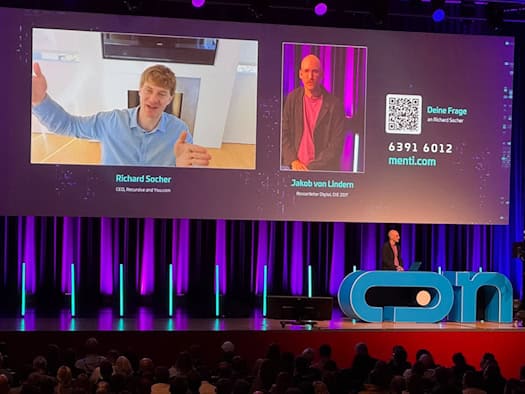
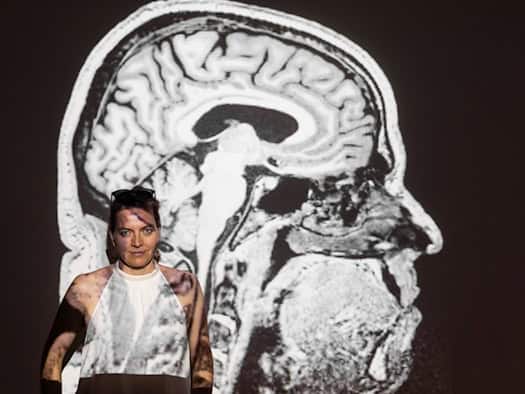
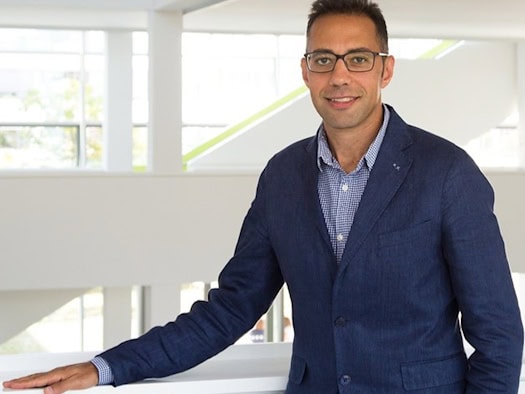
At the “Brains on Silicon” conference in Dresden, You.com founder Richard Socher debunks apocalyptic AI scenarios. Why he considers doomsday fantasies nonsense - and what real risk we’re underestimating instead. | more
The German pharmaceutical industry warns of growing dependence on China and the U.S. — what are the consequences of GSK's withdrawal for Germany as a pharmaceutical hub? | more
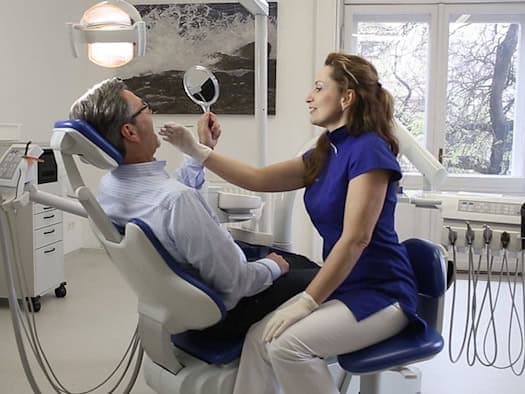
Zahnbehandlungen können in Deutschland schnell zur finanziellen Belastung werden. Besonders bei Implantaten, Kronen, Brücken oder umfangreichem Zahnersatz liegen die Kosten häufig im vierstelligen Bereich. Viele Patienten stehen dann vor einer schwierigen Entscheidung: Behandlung durchführen lassen und hohe Eigenanteile zahlen – oder den Eingriff aufschieben, obwohl er medizinisch sinnvoll wäre. | more
The pharmaceutical company GlaxoSmithKline plans to close its long-standing facility in Dresden by the summer of 2028. Global demand for vaccines is declining. What happens next. | more
According to the union, the pharmaceutical company GlaxoSmithKline plans to close its facility in Dresden by 2028. What does this mean for the more than 600 employees? | more
In its efforts to address the shortage of doctors, Saxony has been relying on additional college spots in Hungary since 2013. The program is paying off. | more
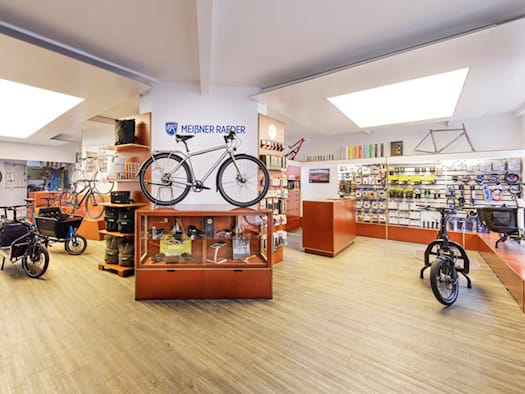
Morgens zur Arbeit, am Wochenende über Schotter oder eines Tages mit Gepäck bis ans andere Ende der Welt: Wer viel mit seinem Fahrrad vorhat, braucht eines, das genau zu einem passt. Meißner Raeder baut in Dresden Fahrräder nach Maß, die exakt zu ihrem Besitzer passen und auf seine Bedürfnisse abgestimmt sind. | more
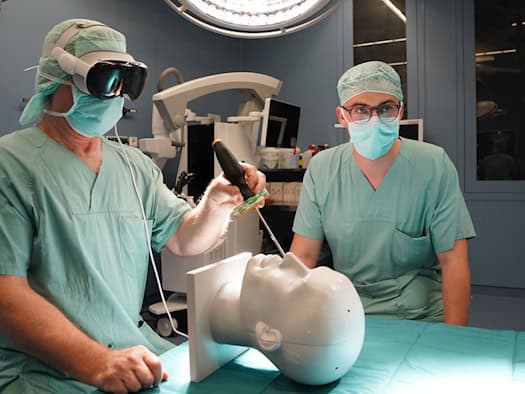
How Apple's Vision Pro smart glasses are helping surgeons worldwide perform surgeries more quickly and with less stress—and why Apple still has to wait for the billion-dollar market. | more
Many medical students in Saxony can envision running their own practice—even in rural areas. Here are the factors that are particularly important to them. | more
Ein Glas Wasser kann mehr als den Durst löschen. Es kann nach Heimat schmecken. Oppacher Mineralwasser stammt aus elf eigenen Tiefbrunnen im Oberlausitzer Bergland. Die Bohrungen reichen bis zu 300 Meter tief in kristallines Granitgestein. Dort entsteht sein natriumarmes, sanft mineralisiertes Profil. | more
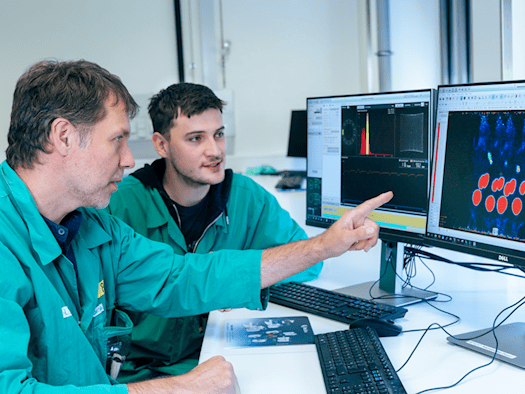
In cases of advanced prostate cancer, the correct radiation dose is crucial. Researchers in Dresden have developed a method that combines two diagnostic procedures into a single molecule. This makes it possible to tailor treatment precisely to the patient. | more
What many people know only from the field of cosmetic medicine has long been used to treat serious illnesses as well. The global Botox boom is bringing millions in investments to Saxony-Anhalt. | more
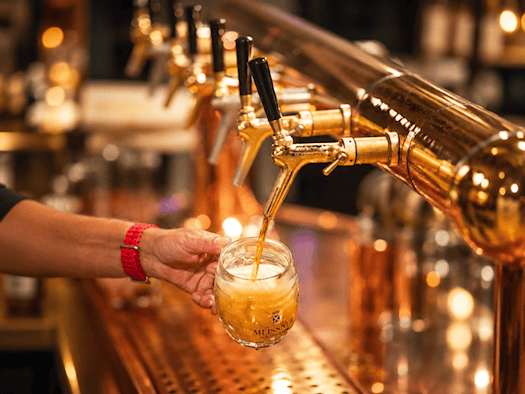
Das Familienunternehmen Meißner Schwerter erhielt 2025 den Bundesehrenpreis für Bier – als eine von zwölf Brauereien bundesweit. Hinter der Auszeichnung stehen Braumeister mit Erfahrung, regionale Rohstoffe und eine Brautradition, deren Wurzeln bis ins Jahr 1460 reichen. Kennenlernen lässt sich diese Meißner Braukultur auch in den Gasthäusern der Privatbrauerei. | more
Telemedicine home visits ease the burden on doctors, but they are rare in Saxony. Why the use of video visits and support staff has not yet become established. | more
Billions of gut bacteria influence what we crave and how our brains make decisions. Researcher Veronica Witte at Leipzig University Medical Center is unraveling the mysterious connection between the gut and the brain. | more
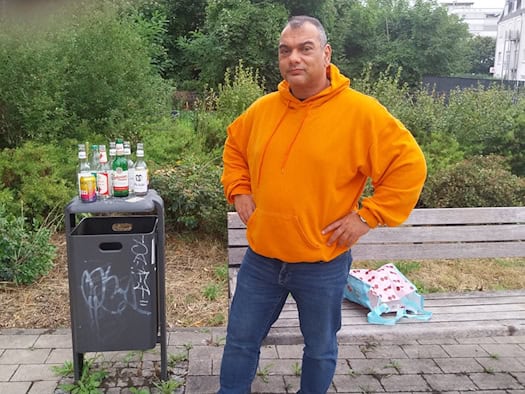
Auf dem Weg zur Arbeit, beim Spaziergang durch Dresden oder beim Warten auf die nächste Bahn – überall können sie liegen: leere Pfandflaschen und Dosen. Für die meisten sind sie Müll, für andere ein kleiner Schatz. Genau daraus macht Pfandpirat eine digitale Schatzsuche, bei der Nutzer Fundorte entdecken, selbst Flaschen melden, Punkte sammeln und gemeinsam auf die Jagd gehen können. Hinter der ungewöhnlichen Idee steckt der Dresdner Sammy Zimmermanns. Wie aus herumliegenden Pfandflaschen ein echtes Spiel für die Stadt geworden ist, lesen Sie hier. | more
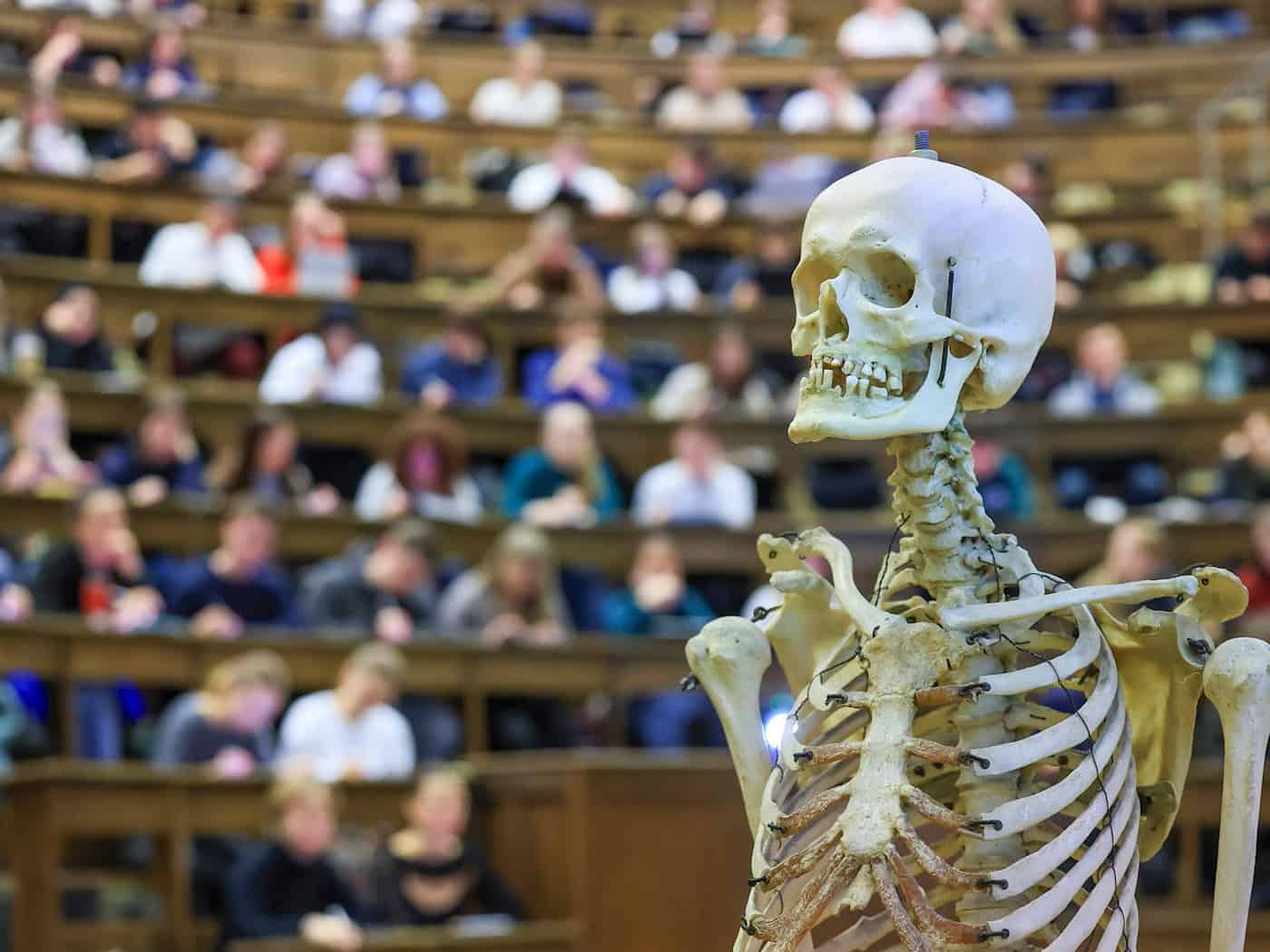
Dentistry Without an Admission Threshold: Eight students have committed to working in rural areas of Saxony for at least ten years after graduation. What’s the story behind the new quota for rural dentists? | more
Planning surgeries more precisely, assessing risks more accurately: How AI and robotics are already transforming cancer care in Dresden and giving patients new hope. | more
Gute Nachrichten tun gut. In unserem freitäglichen Good Newsletter bündeln wir die Geschichten, die Mut machen, inspirieren und zeigen, was in Sachsen vorangeht. Jetzt abonnieren und positive Nachrichten direkt ins Postfach bekommen. | more
From diagnosis to treatment plan: AI models outperform doctors in tests. But how much of a human touch does medicine need? Experts warn of risks and blind spots. | more
Who will keep village family practices open in the future? In Saxony, 29 women and 11 men are beginning their medical studies with a special commitment. | more
In jedem Verein, in jeder Straße, in jedem Treppenhaus gibt es diesen einen Menschen, der einfach da ist – ohne Bezahlung, ohne Applaus, oft ohne ein einziges Dankeschön. DIE SACHSEN NEWS startet eine neue Serie und sucht genau diese Menschen: Sachsens Alltagshelden. Und die Chancen stehen gut, dass Sie selbst schon eine oder einen kennen. | more
Is there an effective remedy for misinformation and populism? Medical schools across Germany are also asking themselves this question at a meeting in Dresden. | more
Rising costs, scarce subsidies: Why university medicine needs more investment as an economically significant location factor. | more
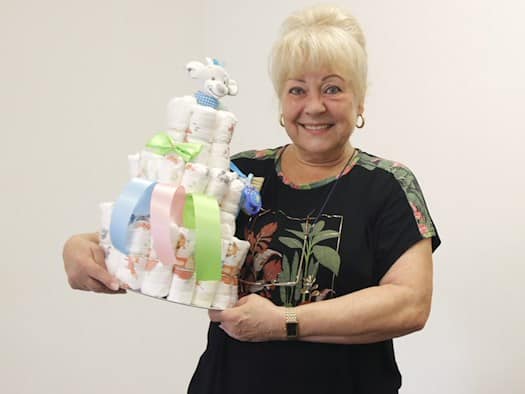
In Dresden-Pieschen fertigt Andrea Rehn im Zentralwerk personalisierte Geschenke für frischgebackene Eltern und deren Familien. Besonders gefragt sind bestickte Windeln mit Geburtsdaten sowie kreative Windeltorten – und das nicht nur online, sondern auch deutschlandweit über DM-Märkte. Jetzt gibt es 10 Prozent Rabatt im Shop. | more
In order to track down diseases such as Long Covid and similar conditions, the biobank at Dresden University Hospital plans to collect hundreds of thousands of samples from children for research. | more
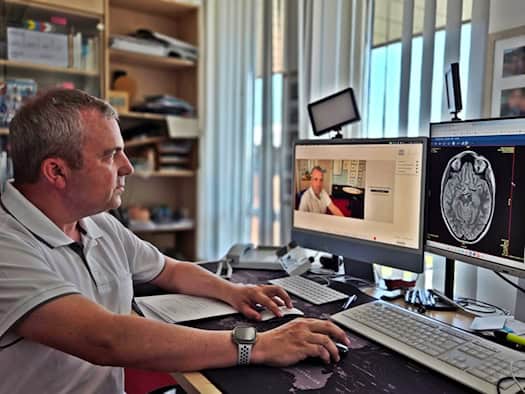
For people with multiple sclerosis in rural areas, access to specialized medical care is often difficult. Dresden University Hospital is now launching a pilot project that brings neurological expertise directly to patients via video consultation. | more
Zahnbehandlungen können in Deutschland schnell zur finanziellen Belastung werden. Besonders bei Implantaten, Kronen, Brücken oder umfangreichem Zahnersatz liegen die Kosten häufig im vierstelligen Bereich. Viele Patienten stehen dann vor einer schwierigen Entscheidung: Behandlung durchführen lassen und hohe Eigenanteile zahlen – oder den Eingriff aufschieben, obwohl er medizinisch sinnvoll wäre. | more
Cutting-edge medicine, high-tech laboratories and a helipad: the new Dresden Heart Center is set to treat more than 25,000 people a year. The foundation stone has now been laid. | more
A simple blood test at the pediatrician’s can change lives. The Fr1da study in Dresden looks for early signs of type 1 diabetes — long before children develop symptoms. The results are promising. Now the program is being expanded to twelve federal states. | more
Morgens zur Arbeit, am Wochenende über Schotter oder eines Tages mit Gepäck bis ans andere Ende der Welt: Wer viel mit seinem Fahrrad vorhat, braucht eines, das genau zu einem passt. Meißner Raeder baut in Dresden Fahrräder nach Maß, die exakt zu ihrem Besitzer passen und auf seine Bedürfnisse abgestimmt sind. | more
34 people want to study dentistry in Saxony and commit to rural areas. A selection process decides who gets one of the eight places. | more
Gut bacteria could help make cancer therapies more effective. The international METRICs project, led by TU Dresden, is exploring this with around €2 million in funding and partners across three continents. | more
Ein Glas Wasser kann mehr als den Durst löschen. Es kann nach Heimat schmecken. Oppacher Mineralwasser stammt aus elf eigenen Tiefbrunnen im Oberlausitzer Bergland. Die Bohrungen reichen bis zu 300 Meter tief in kristallines Granitgestein. Dort entsteht sein natriumarmes, sanft mineralisiertes Profil. | more
AI is increasingly helping in hospitals. However, a study from Dresden shows that errors are often caused by the way the technology is used. A guide aims to change this. | more