


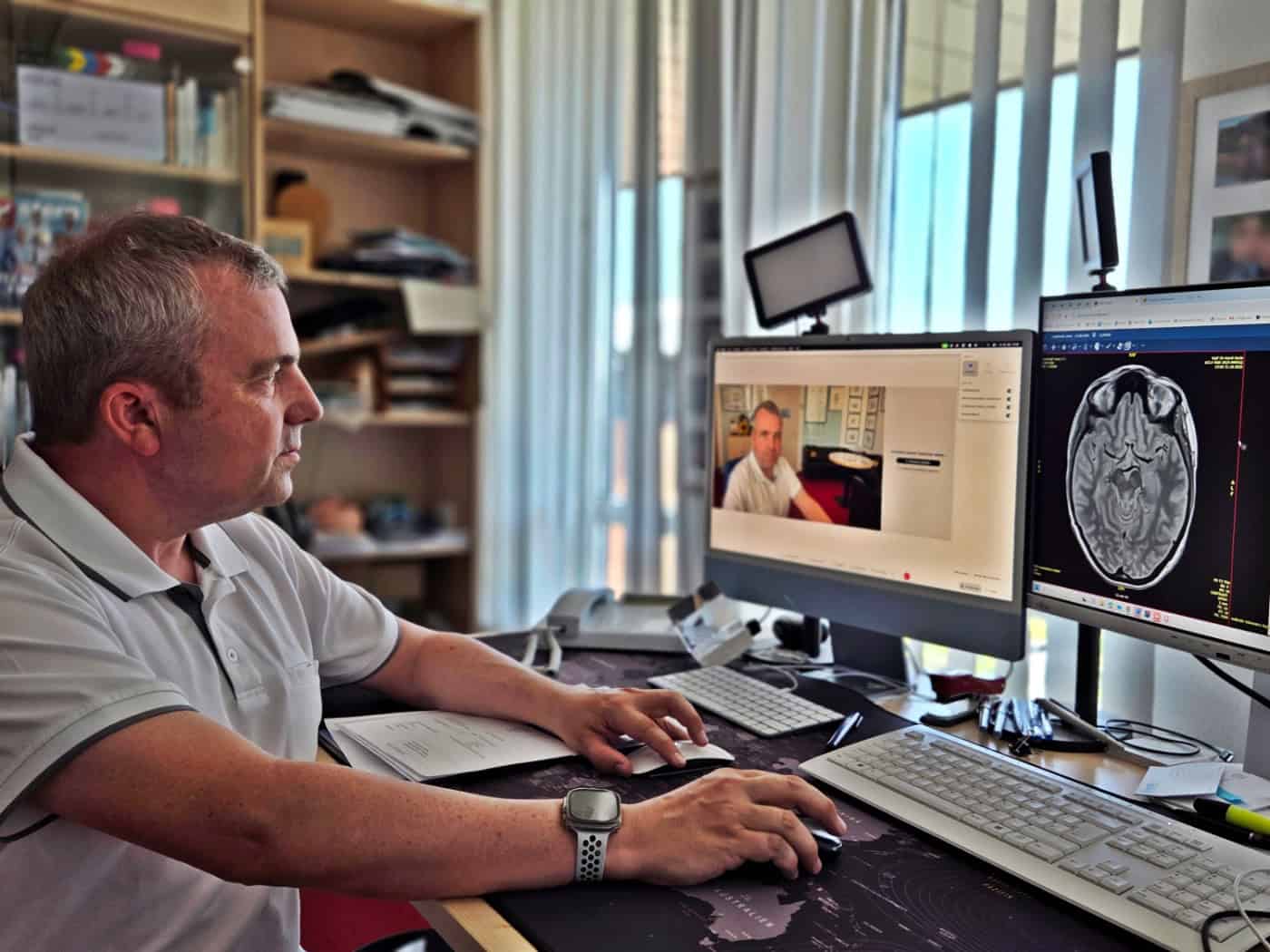
Long journeys to the nearest neurologist, months of waiting for appointments and a chronic illness that requires continuous care: For many people with multiple sclerosis, this is part of everyday life in rural regions of Saxony. A new project at the University Hospital Carl Gustav Carus Dresden aims to change this.
Multiple sclerosis is a chronic disease of the nervous system in which the immune system attacks the body's own tissue. The disease can cause paralysis, visual impairment and severe fatigue, among other things. There is currently no cure for MS. However, modern therapies can slow its progression - provided that those affected have regular access to specialized medical care.
The pilot project "Expert knowledge for people with MS in rural areas" relies on telemedicine. The idea behind it is simple. If patients are unable to visit a specialist center on a regular basis, the expertise should reach them digitally. In future, doctors from the Multiple Sclerosis Center Dresden will be advising patients from medically underserved regions via video.
Three consultations per year
Neurological care is becoming increasingly difficult, especially in rural areas. Many specialist practices are overloaded or difficult to reach. This is particularly problematic for people with multiple sclerosis because the chronic disease requires regular care and rapid adjustment of therapy. The service is clearly structured. Three online consultations are scheduled within a year. These will cover the course of the disease, treatment options and how to deal with symptoms. The digital consultation does not replace an on-site neurological examination, but is intended to give those affected more orientation and security in everyday life.
"The aim is to make digital care a practical experience in rural areas and to show that specialist centers can also reach and support patients in rural areas," says Tjalf Ziemssen, Head of the Center for Clinical Neurosciences and the MS Center Dresden. The first patients have already been admitted and given digital advice. The two-year project is funded by the non-profit Hertie Foundation as part of the "mitMiSsion" initiative.
Support from all over Saxony
The Saxon Hospital Arnsdorf, the German Multiple Sclerosis Society Saxony Regional Association and Carus Consilium Sachsen GmbH, which organizes contact with GPs, are also involved. Telemedicine works particularly well when specialist centers and local practices work closely together. "We want our financial support to ultimately create real added value and reach patients directly," says Eva Koch from the Hertie Foundation. The model could also be transferred to other chronic diseases in the future.

