

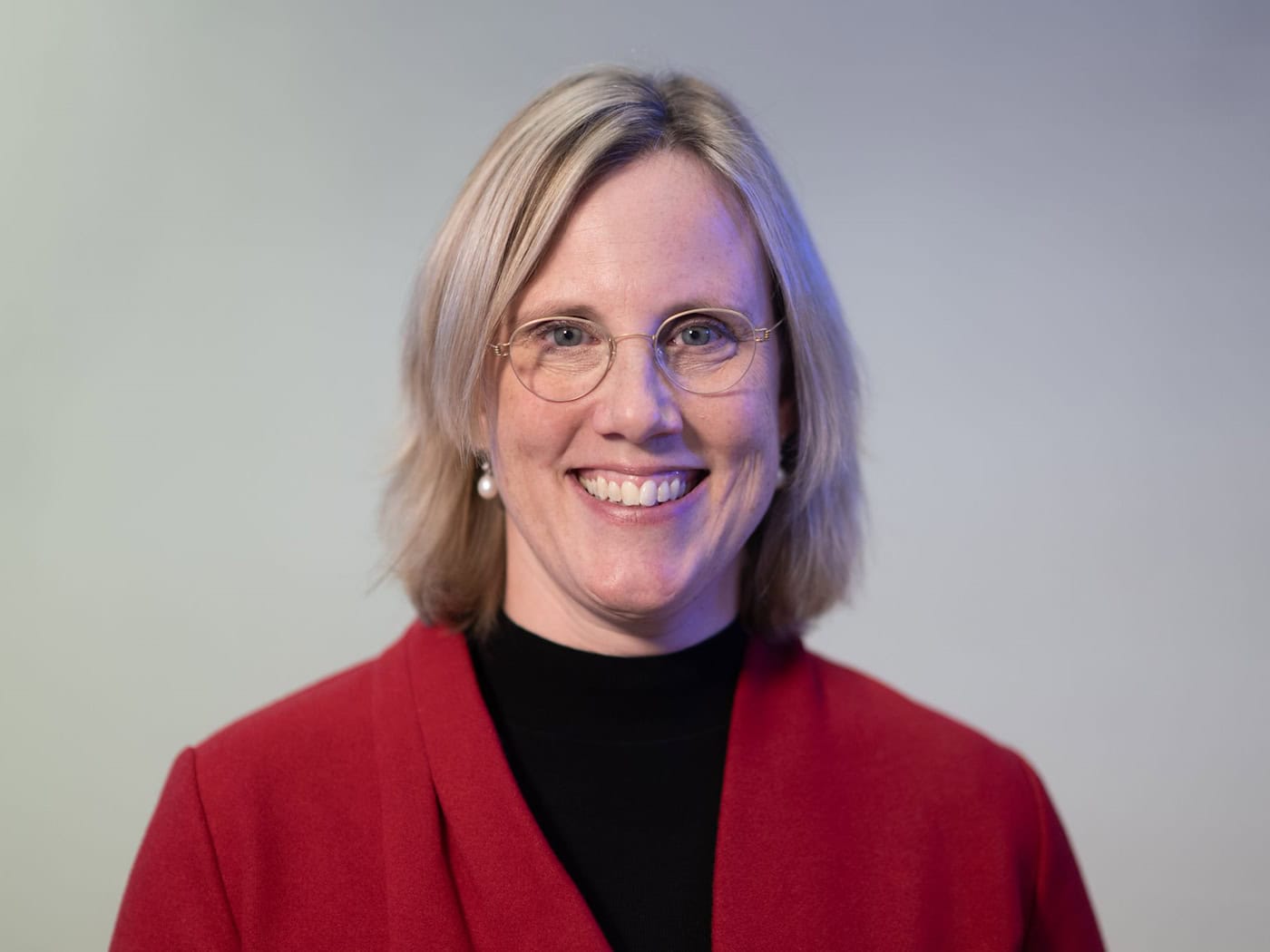
The academic medical community aims to counter populist rhetoric and fake news with scientific expertise. “During the COVID-19 pandemic in Dresden, we experienced firsthand how important—and at the same time challenging—it is to present scientific findings in an understandable way,” Esther Troost, dean of the Faculty of Medicine at Dresden University of Technology, told the German Press Agency. The Faculty of Medicine at TU Dresden is hosting the Regular Medical Faculty Conference on Thursday and Friday. Troost recalled an incident during the COVID-19 pandemic when, in January 2022, medical students at the University Hospital actively stood in the way of COVID-19 deniers and critics of protective measures who wanted to demonstrate there. “Overall, the pandemic has shown that it is essential not only to communicate results but also to explain the process leading up to them in a way that is easy to understand: for example, how vaccine development works or why scientific findings can change when new data becomes available.” The situation is different, however, when the scientific system as a whole is under attack, as is currently the case in the U.S. or as planned by parts of the AfD, the professor emphasized. “Such an attack would have massive repercussions for science as a whole. In university medicine, the consequences would be felt relatively quickly: in the care of patients, who would be cut off from innovative medical care in the medium term.” That is why we cannot remain silent on this issue. Troost also commented on another topic discussed at the Medical Faculty Conference. This concerns the question of what role civil-military cooperation plays in health research. The professor attributes growing importance to this collaboration. “Compared to countries like Ukraine or Israel, however, we in Germany are still very much in the early stages. It is clear that we must adapt to new scenarios.” Medical professionals have special tasks and responsibilities in crisis and disaster situations, Troost explained. These topics must be integrated into teaching much more strongly and, above all, in a more focused manner in the future. “This applies not only to theoretical but also to practical teaching content, such as rescuing the injured without professional equipment, providing basic and first aid to the injured even under difficult conditions, and preparing for coordination tasks.” “Close cooperation between medical schools and the Bundeswehr is a very important approach here,” the dean clarified. Corresponding pilot projects are underway or in preparation at many locations in Germany. In addition to teaching theoretical and practical skills, communication and cooperation between the Bundeswehr and civilian medical care must be strengthened. Copyright 2026, dpa (www.dpa.de). All rights reservedMedical students stood up to COVID-19 deniers
Civil-military cooperation in health research is necessary


