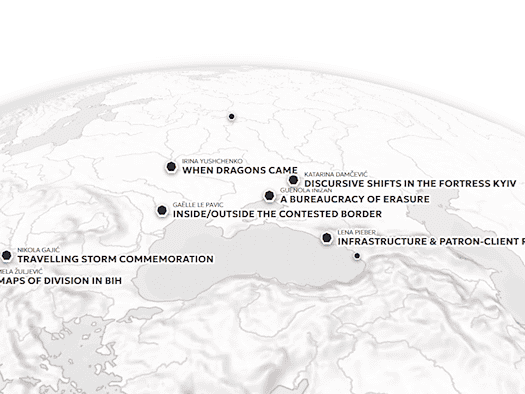
Maps of conflict often appear objective. But who decides what is shown on them? A new online atlas from the Leibniz Institute for Regional Geography in Leipzig presents conflicts in Eastern Europe from different perspectives and reveals how such maps are created. | more
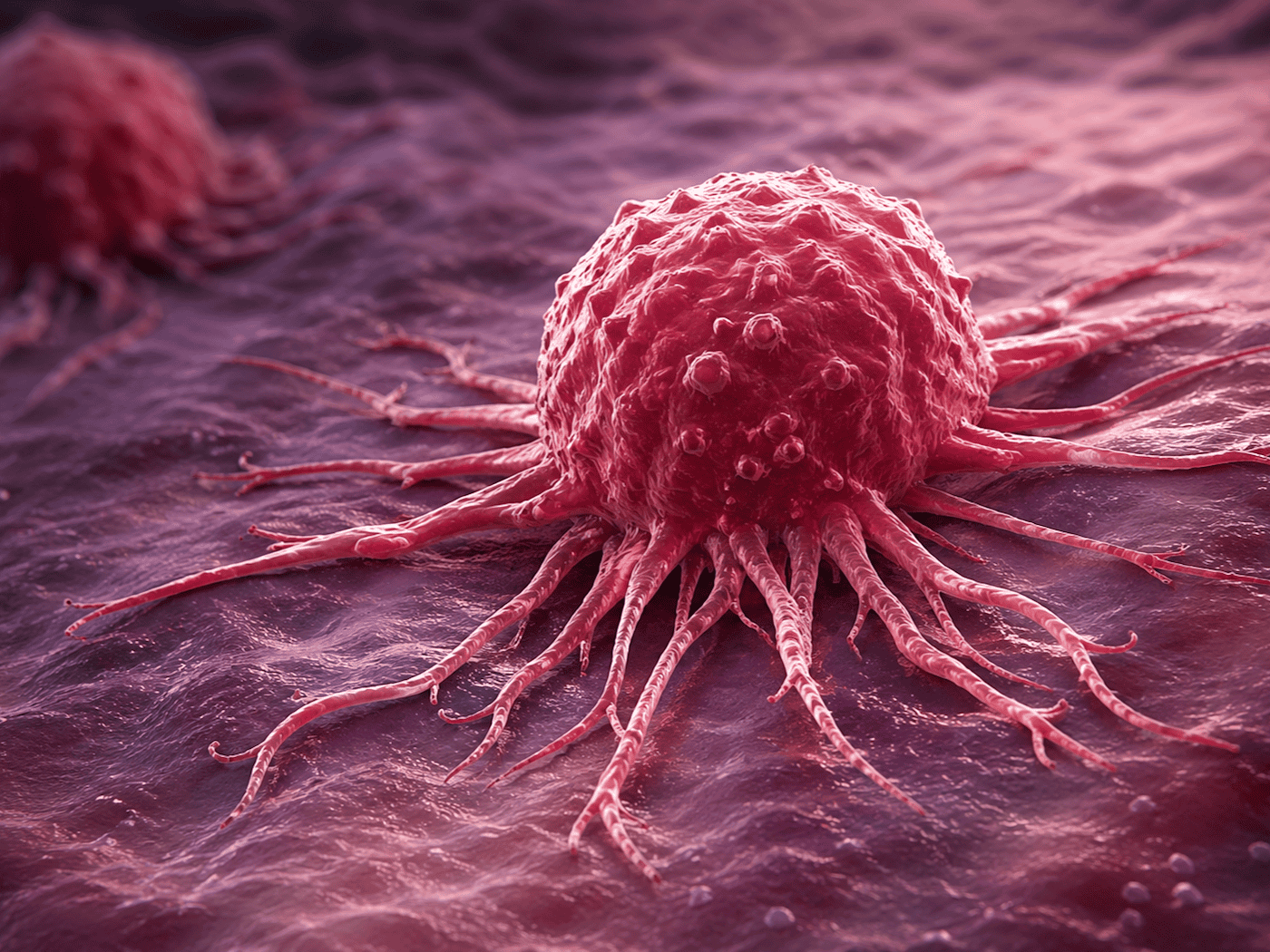
When breast cancer affects the bone, it begins behind the scenes. Until now, this process could hardly be observed. Researcher Jana Sievers-Liebschner from the Leibniz Institute of Polymer Research Dresden and her colleagues have developed a gel model that mimics bone tissue in a deceptively realistic way. This makes it possible for the first time to observe how cancer cells penetrate the bone - and what can stop them. | more
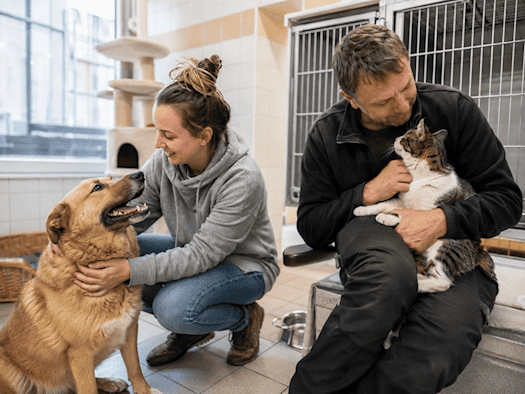
In jedem Verein, in jeder Straße, in jedem Treppenhaus gibt es diesen einen Menschen, der einfach da ist – ohne Bezahlung, ohne Applaus, oft ohne ein einziges Dankeschön. DIE SACHSEN NEWS startet eine neue Serie und sucht genau diese Menschen: Sachsens Alltagshelden. Und die Chancen stehen gut, dass Sie selbst schon eine oder einen kennen. | more
The smartphone, the solar cell, the electric car battery - each of these everyday objects is the result of years of materials research. In Dresden, two Leibniz Institutes want to radically shorten this process with artificial intelligence. Their joint project aims to predict which materials and combinations will work before the first experiment even starts. | more
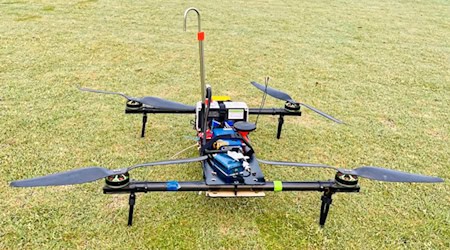
Ground measuring stations only show part of the air pollution. An international study with Leipzig's participation proves this: At an altitude of 100 meters, particulate matter pollution can be 60 percent higher. Drones with inexpensive sensors help to close this knowledge gap and improve predictions. | more
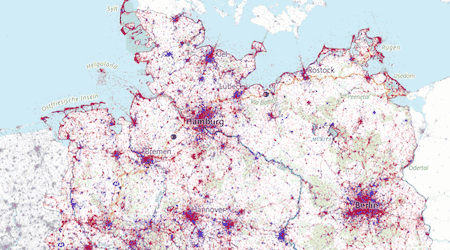
Every Instagram post leaves a digital trail. Researchers from Dresden have analyzed 66 million social media posts and created a map that shows where Germans go to relax and where tourists go. The results help to better protect natural areas and bring planning closer to people's needs. | more
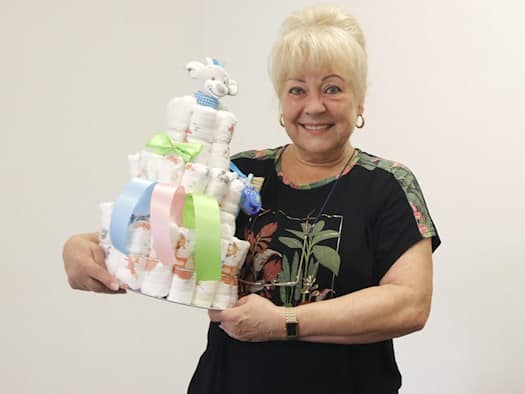
In Dresden-Pieschen fertigt Andrea Rehn im Zentralwerk personalisierte Geschenke für frischgebackene Eltern und deren Familien. Besonders gefragt sind bestickte Windeln mit Geburtsdaten sowie kreative Windeltorten – und das nicht nur online, sondern auch deutschlandweit über DM-Märkte. Jetzt gibt es 10 Prozent Rabatt im Shop. | more
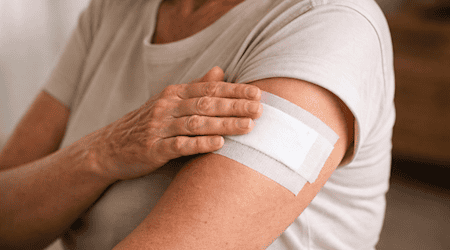
Chronic wounds often do not heal because excessive inflammation blocks the healing process. The Leibniz Institute of Polymer Research Dresden has now spun off its tenth company. ResCure GmbH plans to launch an innovative wound dressing on the market in 2027 that neutralizes inflammatory messengers. In laboratory tests, wound healing was accelerated by up to 50 percent. A clinical trial is already underway. | more
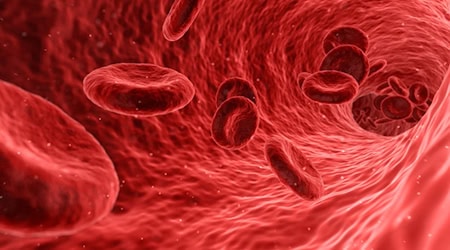
In future, nanoparticles will be used to distribute drugs in the body in a targeted manner. But how does the blood react to these tiny helpers? A study from Dresden shows that both the mass and number of particles are crucial. | more
Zahnbehandlungen können in Deutschland schnell zur finanziellen Belastung werden. Besonders bei Implantaten, Kronen, Brücken oder umfangreichem Zahnersatz liegen die Kosten häufig im vierstelligen Bereich. Viele Patienten stehen dann vor einer schwierigen Entscheidung: Behandlung durchführen lassen und hohe Eigenanteile zahlen – oder den Eingriff aufschieben, obwohl er medizinisch sinnvoll wäre. | more