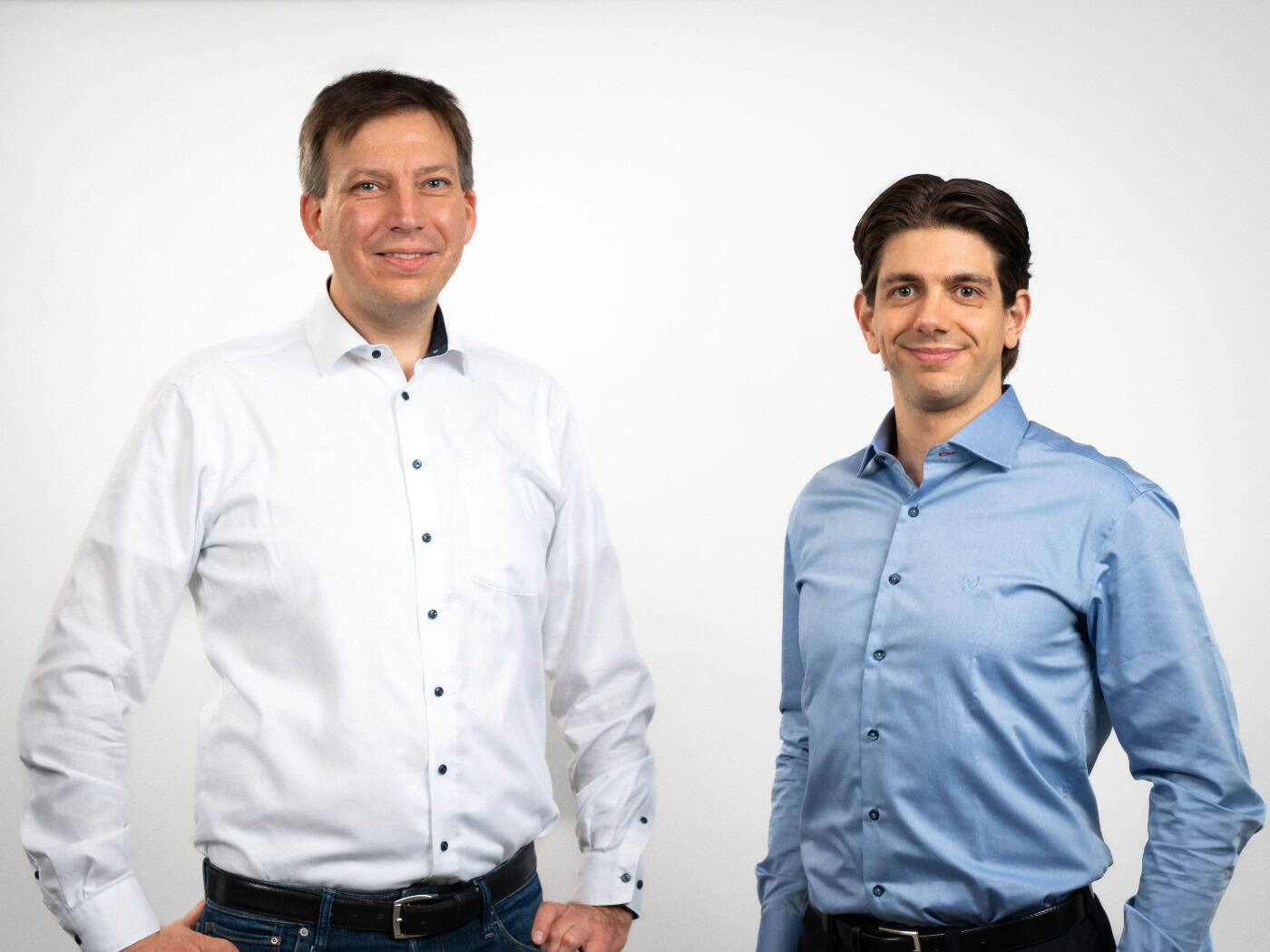
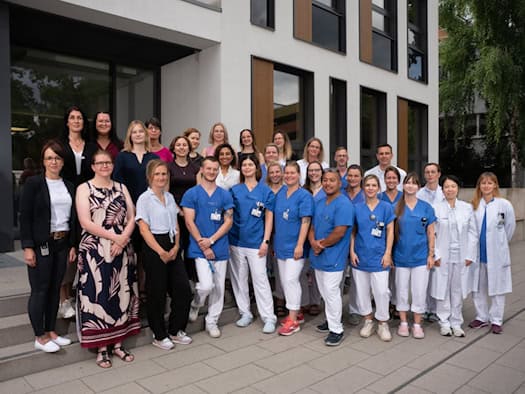
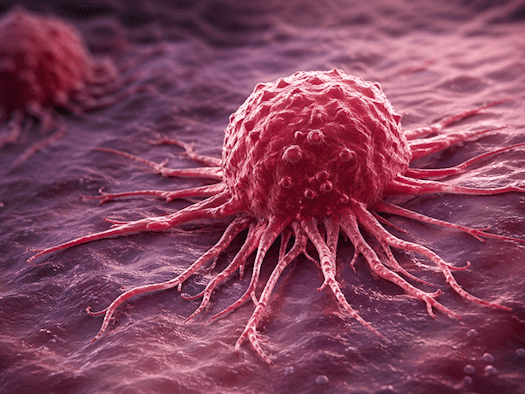
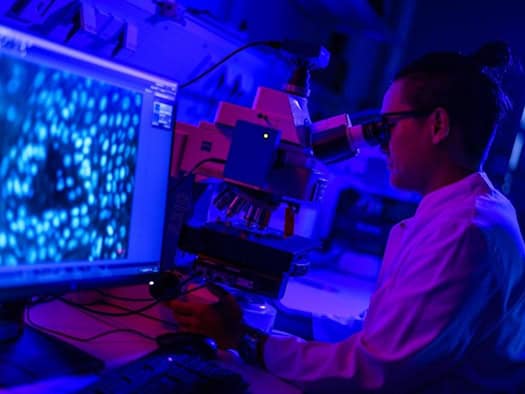
Cancer researchers in Dresden have tested a new immunotherapy that specifically targets the body's own immune system against tumor cells. The initial results are promising. They could help patients for whom other therapies no longer work. | more
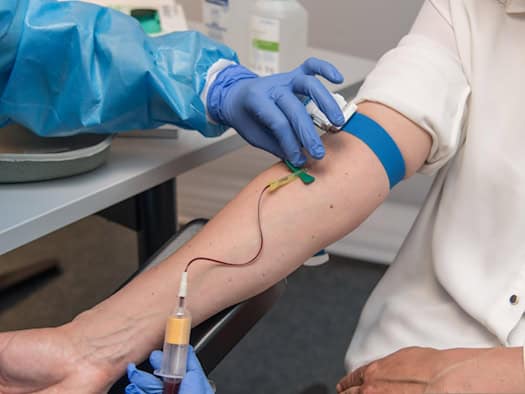
Detecting leukemia relapses before they become visible: A long-term study from Dresden shows how molecular blood tests could transform blood cancer treatment. | more
Gute Nachrichten tun gut. In unserem freitäglichen Good Newsletter bündeln wir die Geschichten, die Mut machen, inspirieren und zeigen, was in Sachsen vorangeht. Jetzt abonnieren und positive Nachrichten direkt ins Postfach bekommen. | more
Researchers at the Leibniz Institute of Polymer Research Dresden are using hydrogels to recreate tumors in the laboratory. The models could provide important new insights into cancer research. | more
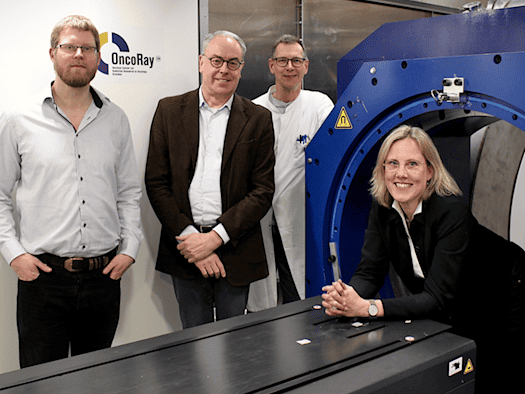
Irradiating a tumor while it moves with every breath is one of the major challenges in cancer treatment. Researchers in Dresden are working to solve this problem using a globally unique device and €1.1 million in research funding. | more
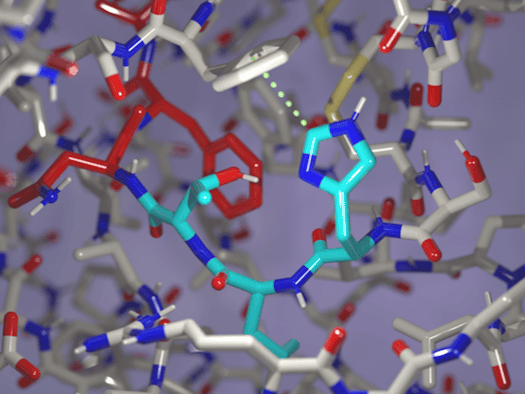
Special receptors on our cells can take up to 100 days to cleave themselves – far too slow to function properly. Researchers at Leipzig University have now discovered why this happens – and how it can be changed. Their findings could pave the way for new drugs to treat cancer and neurological diseases. | more
In jedem Verein, in jeder Straße, in jedem Treppenhaus gibt es diesen einen Menschen, der einfach da ist – ohne Bezahlung, ohne Applaus, oft ohne ein einziges Dankeschön. DIE SACHSEN NEWS startet eine neue Serie und sucht genau diese Menschen: Sachsens Alltagshelden. Und die Chancen stehen gut, dass Sie selbst schon eine oder einen kennen. | more
Gut bacteria could help make cancer therapies more effective. The international METRICs project, led by TU Dresden, is exploring this with around €2 million in funding and partners across three continents. | more
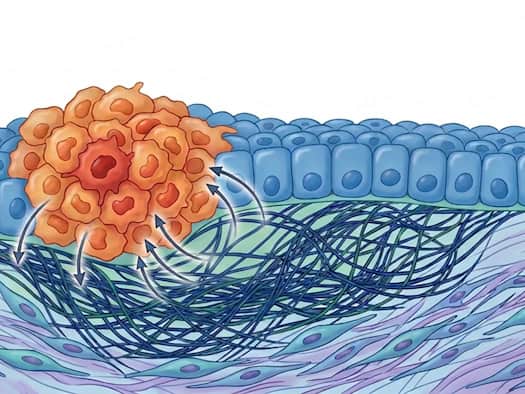
Why do some tiny tumors survive while others disappear? Researchers from Dresden and Cambridge have a surprising answer: cancer cells build their own protective zone. | more
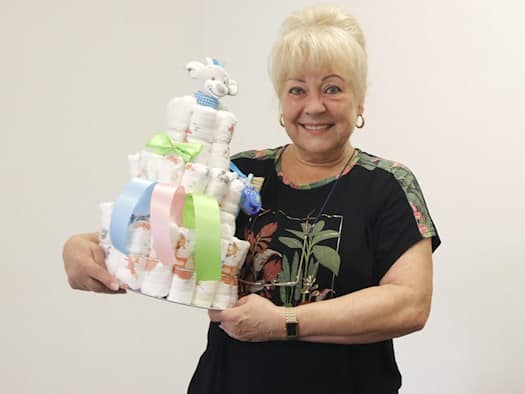
In Dresden-Pieschen fertigt Andrea Rehn im Zentralwerk personalisierte Geschenke für frischgebackene Eltern und deren Familien. Besonders gefragt sind bestickte Windeln mit Geburtsdaten sowie kreative Windeltorten – und das nicht nur online, sondern auch deutschlandweit über DM-Märkte. Jetzt gibt es 10 Prozent Rabatt im Shop. | more
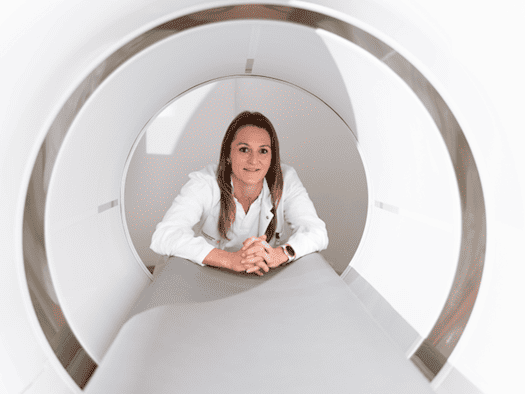
A single scan covering the entire body – this could soon become reality in Dresden. With EU funding, the Helmholtz-Zentrum Dresden-Rossendorf (HZDR) will receive a state-of-the-art whole-body PET scanner. The device could help detect cancer earlier while reducing radiation exposure for patients. | more
Cancer defeated, but the consequences remain: many brain tumor survivors still suffer from the long-term effects of radiotherapy years after their treatment. A research team at TU Dresden is now investigating these late effects – supported by more than two million euros in funding and with patients actively involved as research partners. | more
Zahnbehandlungen können in Deutschland schnell zur finanziellen Belastung werden. Besonders bei Implantaten, Kronen, Brücken oder umfangreichem Zahnersatz liegen die Kosten häufig im vierstelligen Bereich. Viele Patienten stehen dann vor einer schwierigen Entscheidung: Behandlung durchführen lassen und hohe Eigenanteile zahlen – oder den Eingriff aufschieben, obwohl er medizinisch sinnvoll wäre. | more
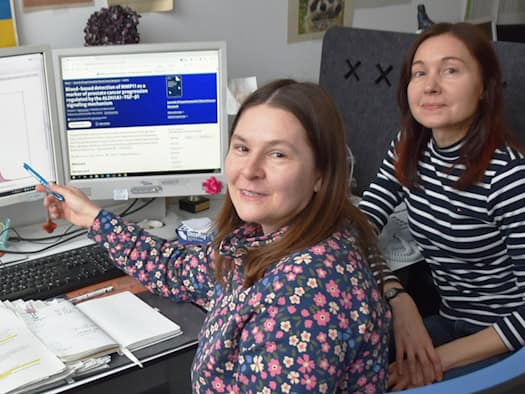
Researchers in Dresden have discovered a protein in the blood that reveals how aggressive a prostate tumor is. Following further tests, MMP11 could be used as a simple blood test in the future and make cancer therapy more targeted. | more
When breast cancer affects the bone, it begins behind the scenes. Until now, this process could hardly be observed. Researcher Jana Sievers-Liebschner from the Leibniz Institute of Polymer Research Dresden and her colleagues have developed a gel model that mimics bone tissue in a deceptively realistic way. This makes it possible for the first time to observe how cancer cells penetrate the bone - and what can stop them. | more
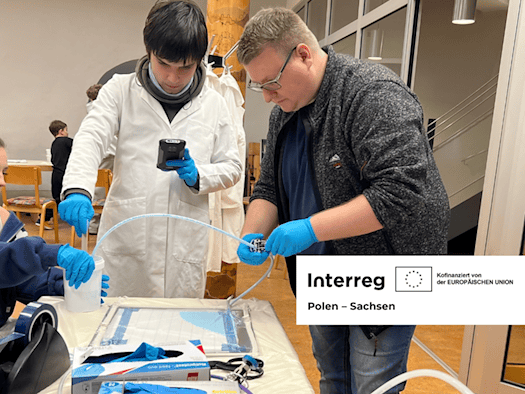
Nach zwei Jahren erfolgreicher Zusammenarbeit geht das INTERREG-Projekt „Grenzüberschreitende Experimentiergärten“ in die finale Phase. Am 4. November lädt das Technologie- und Gründerzentrum Bautzen zur Abschlusskonferenz „Impulse für die MINT-Bildung von morgen“ ein – ein Höhepunkt des Wissenschaftsjahres 2026. | more
Thousands of molecules are located in our cells and control how the body reacts to stimuli. Some of them are still barely known to researchers, although they are involved in cancer, heart disease and bone loss. Researchers at Leipzig University have now pooled 30 years of knowledge about these molecules in a study. They want to make new drugs possible. | more