


Tomatoes under heat stress: Researchers uncover a key mechanism
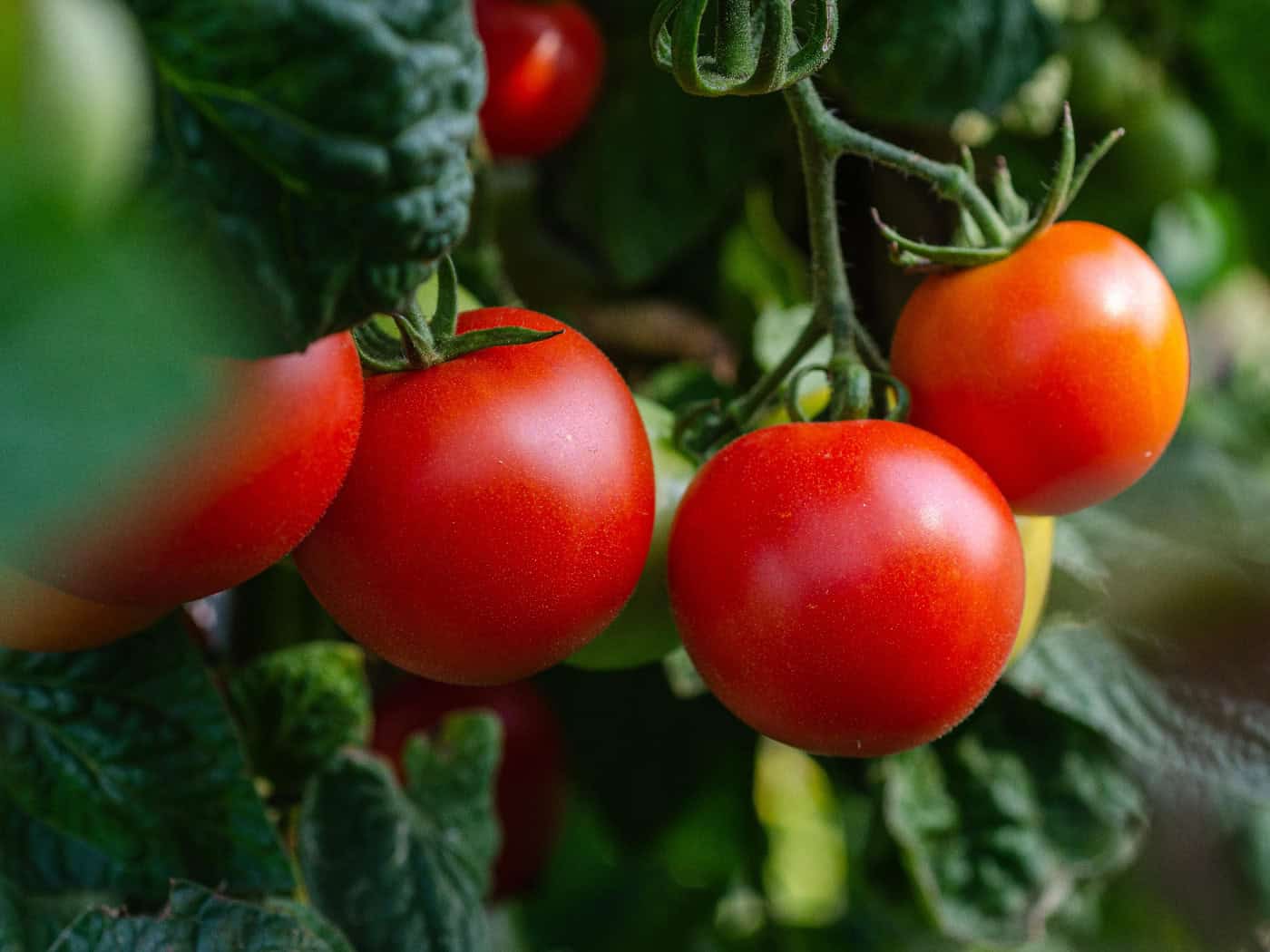
Plump tomatoes, juicy and red, whether grown in a greenhouse or in an outdoor garden bed: For many people, they’re a staple of the garden in midsummer. But heat waves take a toll on the plants. If temperatures rise too high, the flowers and young fruits suffer, and the harvest is smaller. This is becoming an increasing problem worldwide, as tomatoes are among the most important crops.
An international research team has now investigated how plant hormones regulate the development of tomato flowers and young fruits. Jutta Ludwig-Müller, professor of plant physiology at TU Dresden, was also involved. The study provides new insights into how tomatoes react to heat.
Hormones control flowering and fruit development
Plant hormones act as chemical messengers. They control growth, ripening, and the response to stress. Until now, however, little was known about how the various hormones interact during flower and early fruit development. The team analyzed 58 hormone compounds from six hormone classes in different parts of the flower and at various developmental stages of the tomato. In addition, the researchers analyzed which genes were active and which proteins were being produced.
The plant hormones differed significantly depending on which part of the flower was examined and what stage of development it was in. The growth hormone auxin was of particular interest. Shortly before the flower opens, its production is specifically shut down in the stamens. The researchers identified three genes that control this process and were able to confirm their role in experiments.
Pollen withstands heat better
The researchers then genetically modified tomato plants so that the growth hormone auxin was no longer silenced in the stamens. This had a significant effect. The pollen contained more active auxin and remained functional longer after prolonged exposure to heat than that of the unmodified plants.
The results demonstrate the role that plant hormones play when tomato plants must cope with high temperatures. In the long term, this knowledge could help breed tomatoes and other crops that tolerate heat better and continue to bear fruit reliably even as temperatures rise.
“Our results expand our understanding of plant developmental processes at the molecular level and reveal surprising connections between hormonal regulation and stress resilience,” says Jutta Ludwig-Müller. "Especially in the context of global climate change, it is important to better understand plants in order to ensure future sustainability and food security."
Original publication:
Andrii Vainer, Sayantan Panda, Yana Kazachkova, Irina Panizel, Sarah Breitenbach, Jutta Ludwig-Müller, Dhirendra Fartyal, Adi Faigenboim, Efrat Almekias-Siegl, Asaph Aharoni, Hagai Yasuor. Hormone-centric multi-omics atlas of flower and early fruit development in tomato. Plant Communications, Volume 7, Issue 1, 2026, 101674.

