


Legal Dispute: Dresdner Wants to Trade in Big Cats
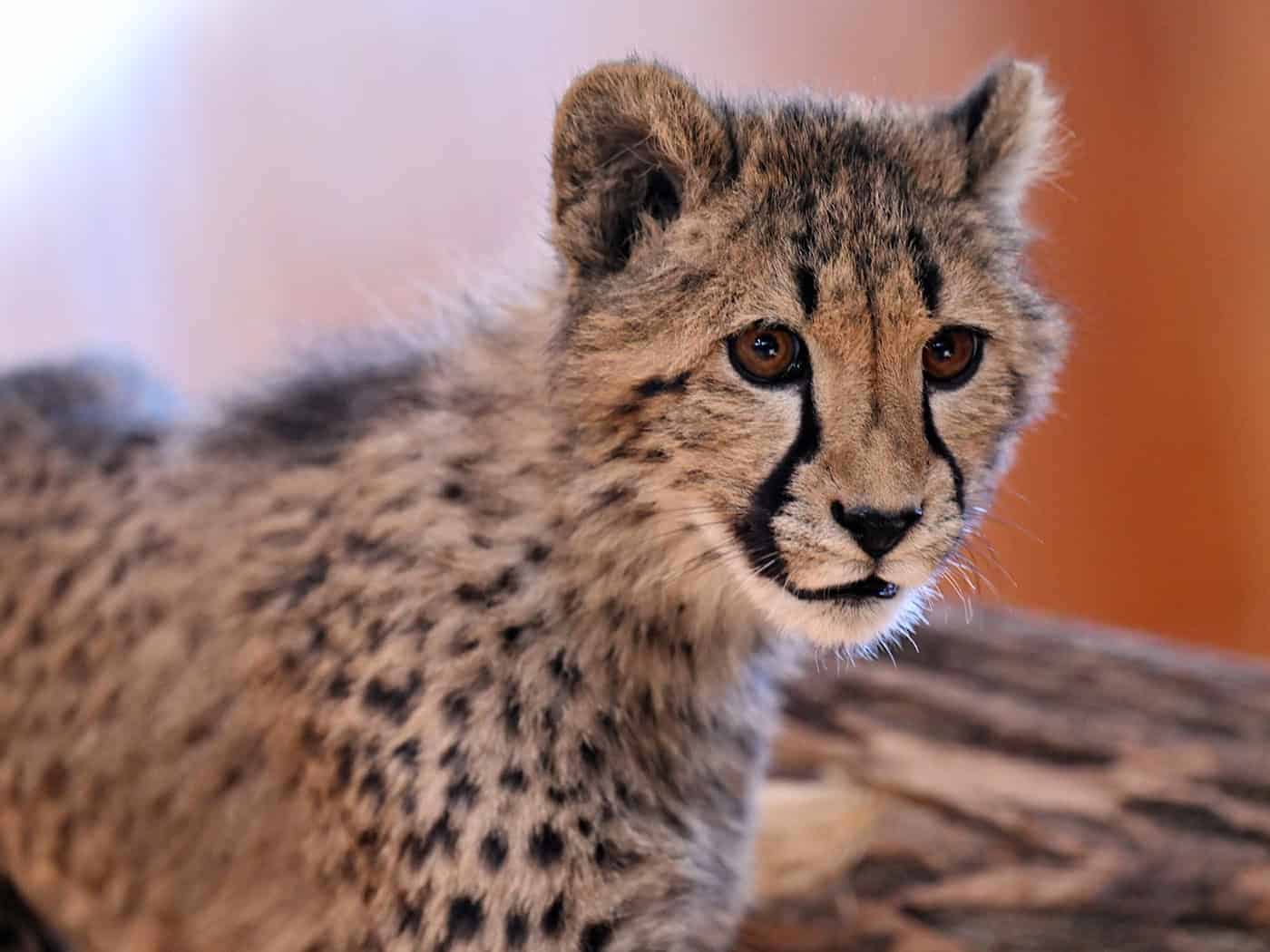
Because he intends to trade in big cats commercially, a Dresden resident is suing the state capital of Saxony in the Higher Administrative Court in Bautzen (OVG). According to information on his social media profiles, the plaintiff, Leonid G., has been involved in wildlife conservation projects for wildcats in the past. He has also regularly shared content that speaks positively about keeping big cats in circuses. According to a spokesperson for the Higher Administrative Court, he had already unsuccessfully filed a lawsuit before the Dresden Administrative Court after an application to trade in exotic animals had been rejected by the city of Dresden as early as 2019. The Dresden resident also intends to conduct his big cat trade through the district of Paderborn in North Rhine-Westphalia. In a similar legal dispute before the Administrative Court in Minden, East Westphalia, he had achieved a partial victory last year after the authorities there had initially prohibited him from doing so as well, according to the spokesperson for the Higher Administrative Court. As a result, he received at least a partial permit to trade in cheetahs. According to media reports, Leonid G. is said to have explained to the court in Minden that he intends to connect buyers and sellers of the animals via social media and to use, among other places, a zoo in Delbrück for the temporary housing of the big cats. The Dresden resident did not respond to a written inquiry. The Bautzen Higher Administrative Court does not expect a quick decision on the matter, as this is not a routine proceeding. In fact, Germany plays a significant role in the trade and distribution of exotic big cats, explains Patrick Müller, spokesperson for the animal welfare organization Animal Advocacy and Protection (AAP). This is due, in part, to its central location in Europe. Furthermore: “There is no nationwide ban on keeping exotic animals in Germany.” The system is “full of loopholes” and is therefore sometimes deliberately exploited to “acquire animals and then distribute them.” For example, keeping tigers in Saxony is permitted provided certain requirements are met. The same applies in North Rhine-Westphalia. In Berlin and Munich, however, it is prohibited. Just last week, the organization took in six tigers from the private collection of a former circus performer in Schkeuditz, Saxony, after the authorities had declared the conditions there unsuitable and partially prohibited their keeping. The animals were taken to a sanctuary in southern Spain. Previously, a full-grown male tiger had escaped from there. A 72-year-old volunteer was seriously injured in the incident. The animal was shot and killed by police near an allotment garden complex. Copyright 2026, dpa (www.dpa.de). All rights reservedPartial Permit for Cheetah Trade
Animal rights activists: Loopholes in animal welfare regulations are being deliberately exploited
Tigers from Saxony Taken to Spain

