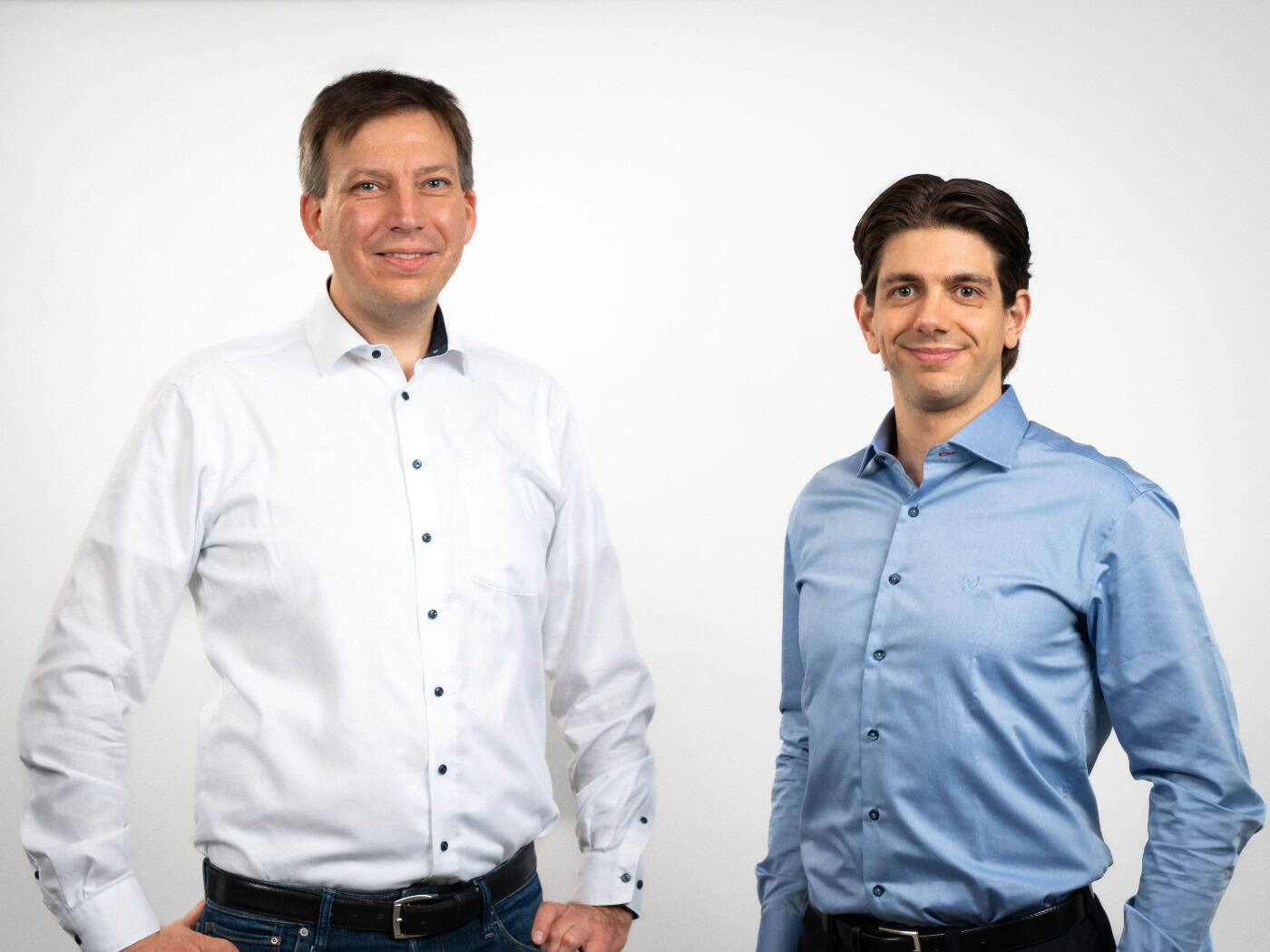
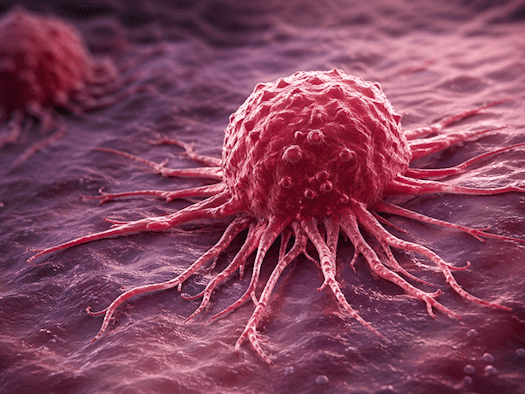
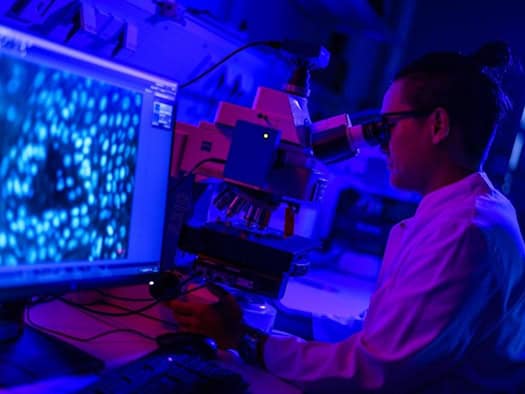
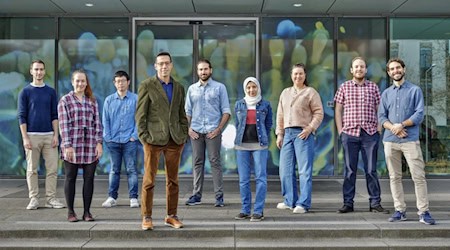
Cancer researchers in Dresden have tested a new immunotherapy that specifically targets the body's own immune system against tumor cells. The initial results are promising. They could help patients for whom other therapies no longer work. | more
Researchers at the Leibniz Institute of Polymer Research Dresden are using hydrogels to recreate tumors in the laboratory. The models could provide important new insights into cancer research. | more
Gute Nachrichten tun gut. In unserem freitäglichen Good Newsletter bündeln wir die Geschichten, die Mut machen, inspirieren und zeigen, was in Sachsen vorangeht. Jetzt abonnieren und positive Nachrichten direkt ins Postfach bekommen. | more
Cancer defeated, but the consequences remain: many brain tumor survivors still suffer from the long-term effects of radiotherapy years after their treatment. A research team at TU Dresden is now investigating these late effects – supported by more than two million euros in funding and with patients actively involved as research partners. | more
How do cells talk to each other? A team at TU Dresden has succeeded in making the most important sensors on the cell surface visible for the first time. The so-called proteoglycans receive signals and control how cells grow and react. The new method could help to better understand cancer and develop new therapies in the future. | more
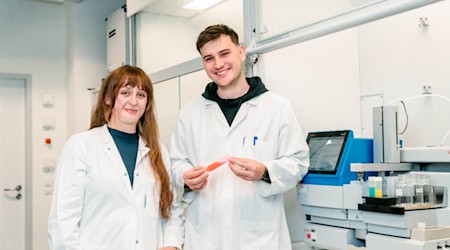
Researchers at the Helmholtz-Zentrum Dresden-Rossendorf have developed a molecular marker to help doctors choose the right bladder cancer therapy. The radiotracer NECT-224 makes visible whether tumors carry a certain protein to which modern drugs can dock. In summer 2025, it was used successfully for the first time on a patient at Dresden University Hospital. | more
In jedem Verein, in jeder Straße, in jedem Treppenhaus gibt es diesen einen Menschen, der einfach da ist – ohne Bezahlung, ohne Applaus, oft ohne ein einziges Dankeschön. DIE SACHSEN NEWS startet eine neue Serie und sucht genau diese Menschen: Sachsens Alltagshelden. Und die Chancen stehen gut, dass Sie selbst schon eine oder einen kennen. | more
A research group at TU Dresden has decoded a central mechanism in cancer cells. This enables safer therapies. | more
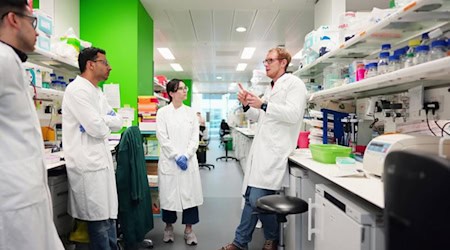
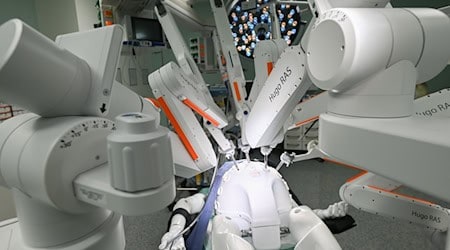
Dresden University Medicine is expanding the care of tumor patients away from urban centers with the Mission4Sax pilot project. | more
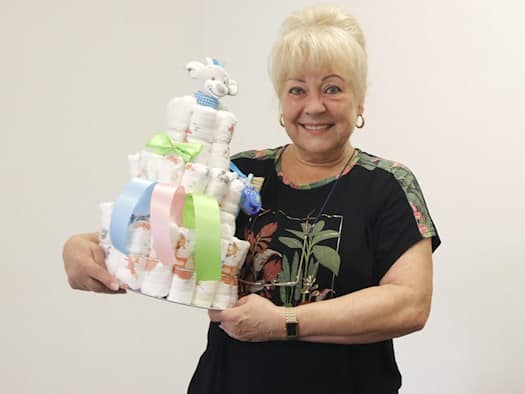
In Dresden-Pieschen fertigt Andrea Rehn im Zentralwerk personalisierte Geschenke für frischgebackene Eltern und deren Familien. Besonders gefragt sind bestickte Windeln mit Geburtsdaten sowie kreative Windeltorten – und das nicht nur online, sondern auch deutschlandweit über DM-Märkte. Jetzt gibt es 10 Prozent Rabatt im Shop. | more