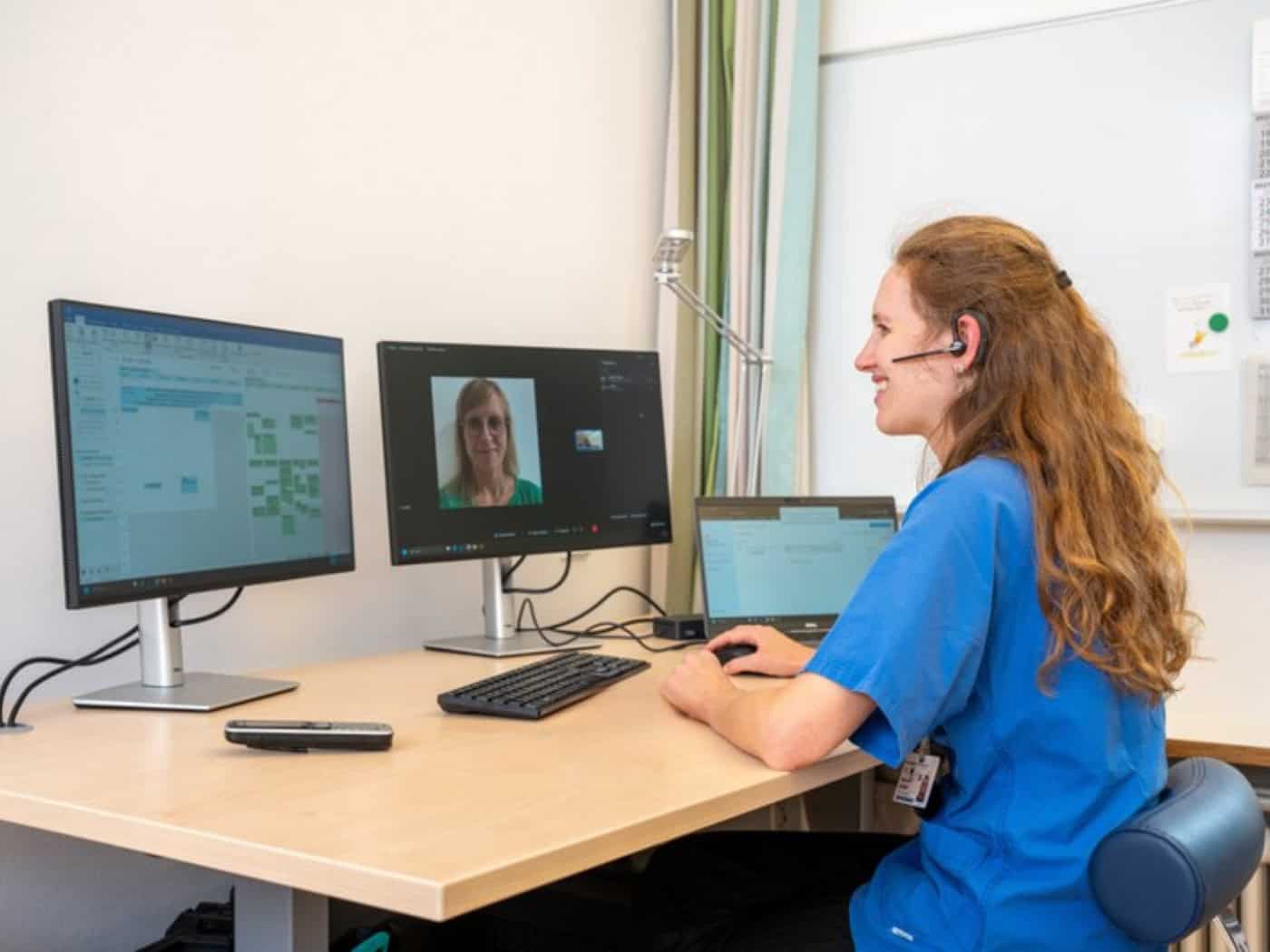
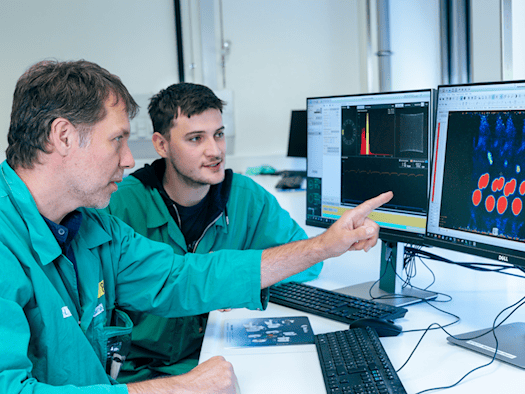
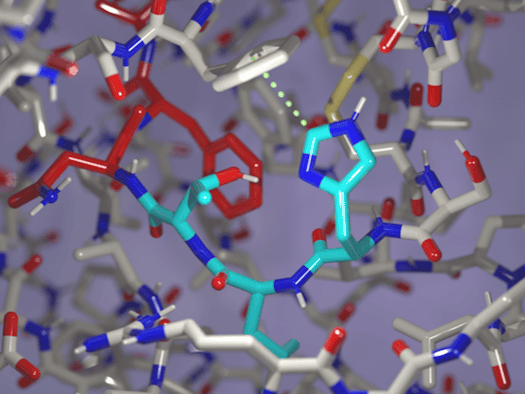
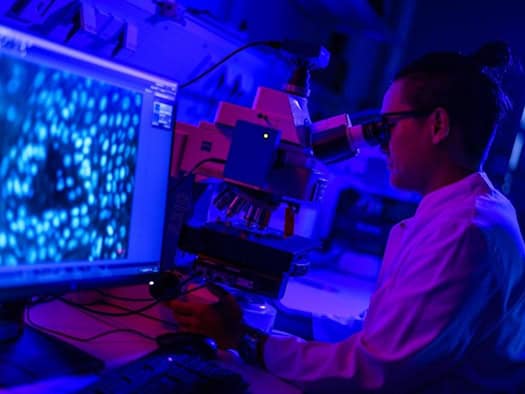
In cases of advanced prostate cancer, the correct radiation dose is crucial. Researchers in Dresden have developed a method that combines two diagnostic procedures into a single molecule. This makes it possible to tailor treatment precisely to the patient. | more
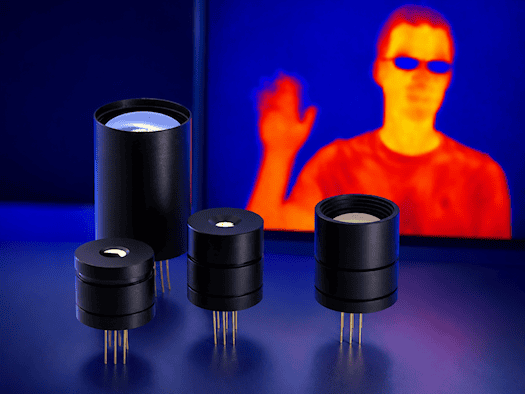
A fall, an unnoticed infection, a person in the dark: Researchers in Dresden are developing a new generation of heat sensors designed to reliably detect such situations in the future. This presents an opportunity to improve safety in medicine, daily life, and transportation. | more
Die Ostsächsischen Maschinenbautage widmen sich am 28. und 29. Oktober dem Thema „Robotik im Maschinenbau“ und zeigen, wie Automatisierung und Nachhaltigkeit für kleine und mittlere Unternehmen zusammengehen. Nutzen Sie Kolloquium, Kooperationsbörse und Unternehmensbesichtigungen, um wertvolle Kontakte zu knüpfen und die grüne Zukunft des Grenzraums mitzugestalten. | more
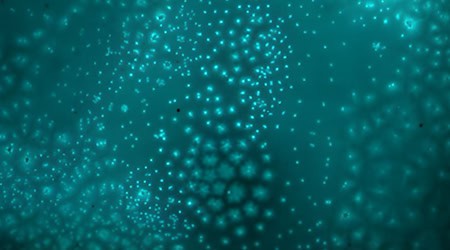
Researchers at the NCT/UCC in Dresden, working with an international team, have developed proteins that glow inside the body. The light they emit penetrates deeper into tissue than ever before. The discovery could help detect cancer cells more precisely during surgery. | more
Cancer researchers in Dresden have tested a new immunotherapy that specifically targets the body's own immune system against tumor cells. The initial results are promising. They could help patients for whom other therapies no longer work. | more
Detecting leukemia relapses before they become visible: A long-term study from Dresden shows how molecular blood tests could transform blood cancer treatment. | more
Schon wieder zu viel gegessen oder eine wichtige Aufgabe aufgeschoben? Oft reagieren wir auf solche Verhaltensweisen mit Selbstkritik. Doch damit bekämpfen wir meist nur das sichtbare Symptom – und übersehen, was wir in diesem Moment wirklich brauchen. | more
Researchers at the Leibniz Institute of Polymer Research Dresden are using hydrogels to recreate tumors in the laboratory. The models could provide important new insights into cancer research. | more
Irradiating a tumor while it moves with every breath is one of the major challenges in cancer treatment. Researchers in Dresden are working to solve this problem using a globally unique device and €1.1 million in research funding. | more
Gute Nachrichten tun gut. In unserem freitäglichen Good Newsletter bündeln wir die Geschichten, die Mut machen, inspirieren und zeigen, was in Sachsen vorangeht. Jetzt abonnieren und positive Nachrichten direkt ins Postfach bekommen. | more
Special receptors on our cells can take up to 100 days to cleave themselves – far too slow to function properly. Researchers at Leipzig University have now discovered why this happens – and how it can be changed. Their findings could pave the way for new drugs to treat cancer and neurological diseases. | more
Gut bacteria could help make cancer therapies more effective. The international METRICs project, led by TU Dresden, is exploring this with around €2 million in funding and partners across three continents. | more
In jedem Verein, in jeder Straße, in jedem Treppenhaus gibt es diesen einen Menschen, der einfach da ist – ohne Bezahlung, ohne Applaus, oft ohne ein einziges Dankeschön. DIE SACHSEN NEWS startet eine neue Serie und sucht genau diese Menschen: Sachsens Alltagshelden. Und die Chancen stehen gut, dass Sie selbst schon eine oder einen kennen. | more
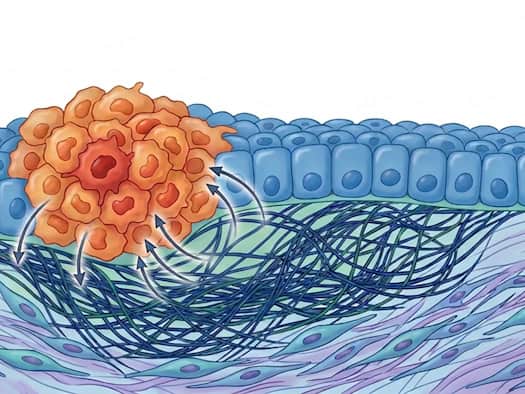
Why do some tiny tumors survive while others disappear? Researchers from Dresden and Cambridge have a surprising answer: cancer cells build their own protective zone. | more
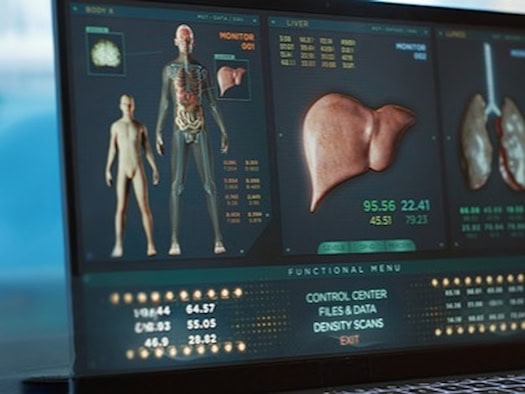
Liver cancer is often detected too late. Researchers at the EKFZ at TU Dresden have developed an AI model that uses routine clinical data to estimate individual risk – potentially enabling earlier diagnosis. | more
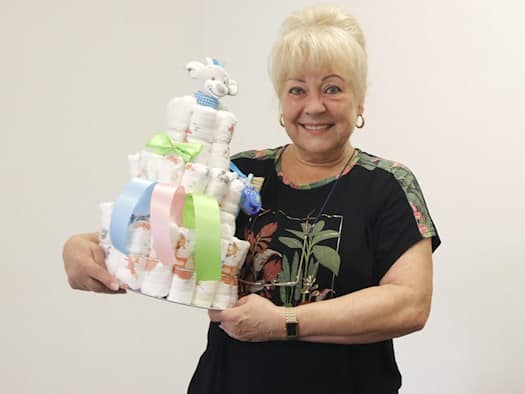
In Dresden-Pieschen fertigt Andrea Rehn im Zentralwerk personalisierte Geschenke für frischgebackene Eltern und deren Familien. Besonders gefragt sind bestickte Windeln mit Geburtsdaten sowie kreative Windeltorten – und das nicht nur online, sondern auch deutschlandweit über DM-Märkte. Jetzt gibt es 10 Prozent Rabatt im Shop. | more
Around 90 percent of all cancers are so-called solid tumors – growths that form dense tissue. Many of them remain difficult to treat. Researchers at TU Dresden have genetically modified immune cells so that they can penetrate deep into tumor tissue and potentially attack cancer cells over the long term. The EU is now funding the project with 2.5 million euros. | more
A single scan covering the entire body – this could soon become reality in Dresden. With EU funding, the Helmholtz-Zentrum Dresden-Rossendorf (HZDR) will receive a state-of-the-art whole-body PET scanner. The device could help detect cancer earlier while reducing radiation exposure for patients. | more
Zahnbehandlungen können in Deutschland schnell zur finanziellen Belastung werden. Besonders bei Implantaten, Kronen, Brücken oder umfangreichem Zahnersatz liegen die Kosten häufig im vierstelligen Bereich. Viele Patienten stehen dann vor einer schwierigen Entscheidung: Behandlung durchführen lassen und hohe Eigenanteile zahlen – oder den Eingriff aufschieben, obwohl er medizinisch sinnvoll wäre. | more
Cancer defeated, but the consequences remain: many brain tumor survivors still suffer from the long-term effects of radiotherapy years after their treatment. A research team at TU Dresden is now investigating these late effects – supported by more than two million euros in funding and with patients actively involved as research partners. | more
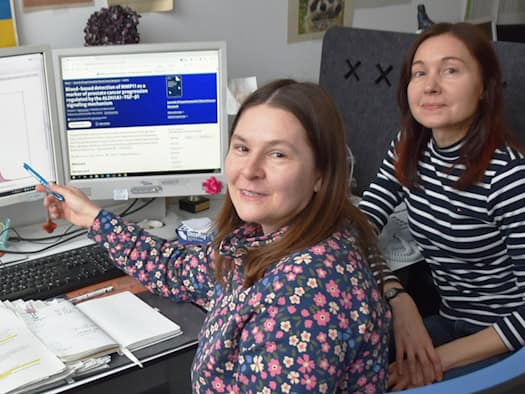
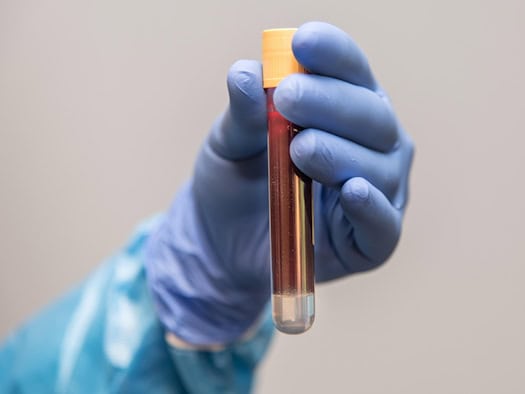
Researchers in Dresden have discovered a protein in the blood that reveals how aggressive a prostate tumor is. Following further tests, MMP11 could be used as a simple blood test in the future and make cancer therapy more targeted. | more
Die Ostsächsischen Maschinenbautage widmen sich am 28. und 29. Oktober dem Thema „Robotik im Maschinenbau“ und zeigen, wie Automatisierung und Nachhaltigkeit für kleine und mittlere Unternehmen zusammengehen. Nutzen Sie Kolloquium, Kooperationsbörse und Unternehmensbesichtigungen, um wertvolle Kontakte zu knüpfen und die grüne Zukunft des Grenzraums mitzugestalten. | more
Patients with an aggressive form of blood cancer, acute myeloid leukemia, previously had little chance of recovery when the disease returned. Researchers in Dresden have changed this. With a new combination of therapies, three times as many patients now achieve the decisive step towards a cure. | more
We breathe it in every day without realizing it: tiny plastic particles, smaller than a human hair. Researchers from Leipzig and Oldenburg have now measured for the first time in Germany how much of it is in the city air - and where it comes from. The result is surprising. | more
Schon wieder zu viel gegessen oder eine wichtige Aufgabe aufgeschoben? Oft reagieren wir auf solche Verhaltensweisen mit Selbstkritik. Doch damit bekämpfen wir meist nur das sichtbare Symptom – und übersehen, was wir in diesem Moment wirklich brauchen. | more
When breast cancer affects the bone, it begins behind the scenes. Until now, this process could hardly be observed. Researcher Jana Sievers-Liebschner from the Leibniz Institute of Polymer Research Dresden and her colleagues have developed a gel model that mimics bone tissue in a deceptively realistic way. This makes it possible for the first time to observe how cancer cells penetrate the bone - and what can stop them. | more
Thousands of molecules are located in our cells and control how the body reacts to stimuli. Some of them are still barely known to researchers, although they are involved in cancer, heart disease and bone loss. Researchers at Leipzig University have now pooled 30 years of knowledge about these molecules in a study. They want to make new drugs possible. | more
Gute Nachrichten tun gut. In unserem freitäglichen Good Newsletter bündeln wir die Geschichten, die Mut machen, inspirieren und zeigen, was in Sachsen vorangeht. Jetzt abonnieren und positive Nachrichten direkt ins Postfach bekommen. | more
Blood cancer affects tens of thousands of people in Germany. For many, a stem cell transplant is the last hope. But which preparation for this procedure helps the most, especially for older or previously ill patients? Researchers at Dresden University Hospital and Kiel University Hospital now want to find out in the largest German study of its kind. | more
Today, nine out of ten children with leukemia survive their illness. However, many suffer from the consequences of chemotherapy for the rest of their lives. Researchers at the NCT/UCC Dresden are working on gentler treatments. Using CRISPR technology and precision medicine, they are looking for molecular weak points in cancer cells. Their goal: in ten years, only half as much chemotherapy. | more
In jedem Verein, in jeder Straße, in jedem Treppenhaus gibt es diesen einen Menschen, der einfach da ist – ohne Bezahlung, ohne Applaus, oft ohne ein einziges Dankeschön. DIE SACHSEN NEWS startet eine neue Serie und sucht genau diese Menschen: Sachsens Alltagshelden. Und die Chancen stehen gut, dass Sie selbst schon eine oder einen kennen. | more
Researchers in Leipzig have developed a new method to prevent dangerous rejection reactions after blood stem cell transplants. The Fraunhofer Institute for Cell Therapy and Immunology treats donor cells with special antibodies prior to transplantation. Unlike previous approaches, this therapy does not weaken the entire immune system. Initial tests in the laboratory have been very promising. | more
Every human being begins as a single cell. Researchers at TU Dresden have now deciphered how this becomes a complete organism. Their discovery: the first cell divisions function through controlled chaos. Thread-like structures called microtubules divide the cell material - although they are actually unstable. The study published in Nature also shows why different animal species use different developmental strategies. | more
In Dresden-Pieschen fertigt Andrea Rehn im Zentralwerk personalisierte Geschenke für frischgebackene Eltern und deren Familien. Besonders gefragt sind bestickte Windeln mit Geburtsdaten sowie kreative Windeltorten – und das nicht nur online, sondern auch deutschlandweit über DM-Märkte. Jetzt gibt es 10 Prozent Rabatt im Shop. | more
How do cells talk to each other? A team at TU Dresden has succeeded in making the most important sensors on the cell surface visible for the first time. The so-called proteoglycans receive signals and control how cells grow and react. The new method could help to better understand cancer and develop new therapies in the future. | more