


Most airborne microplastics come from tire wear
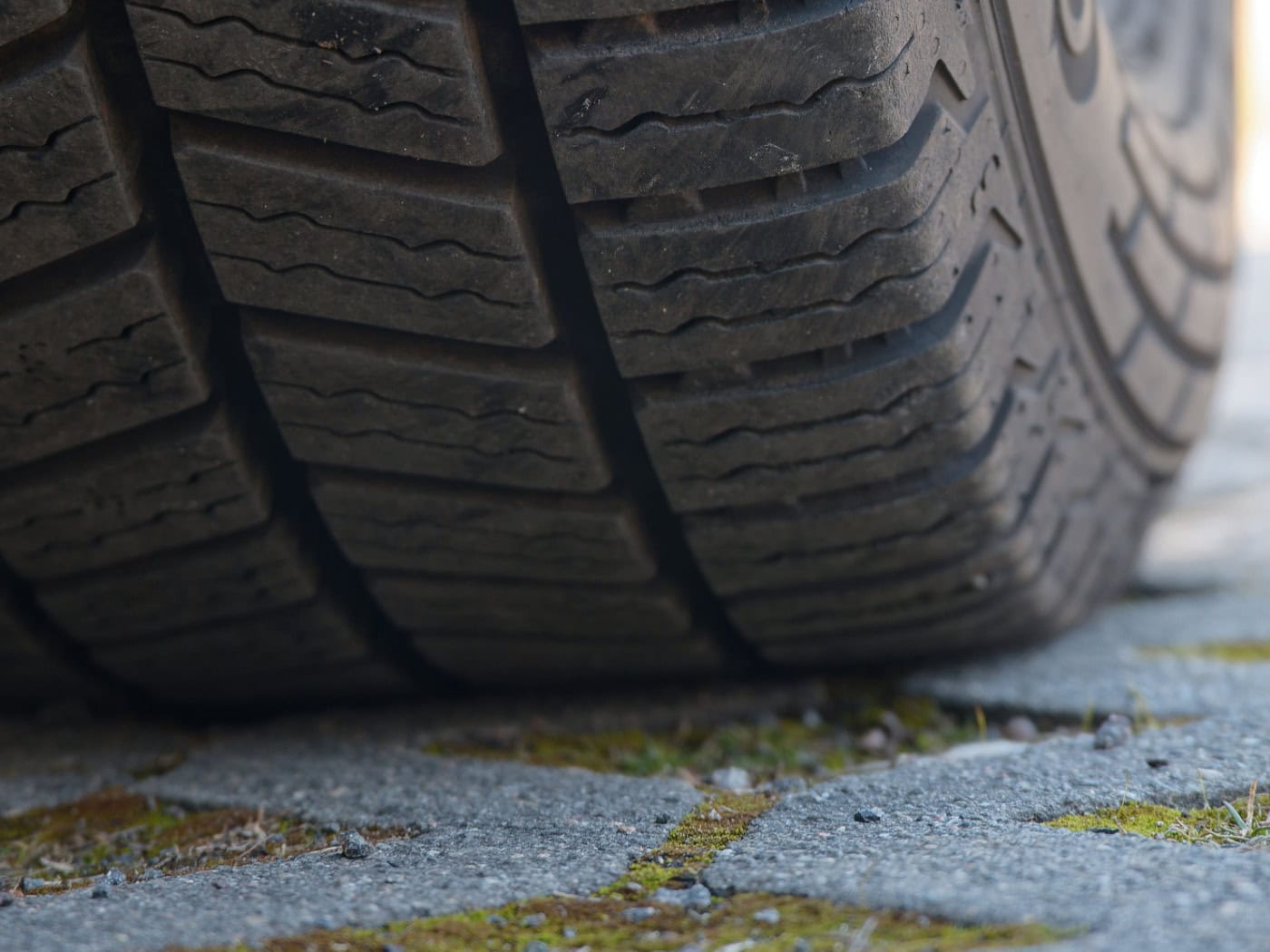
Driving a car without an exhaust pipe does not solve the particulate matter problem. This is shown by a new study from Leipzig. This is because the majority of plastic particles in city air do not come from the exhaust, but from tires. Researchers from the Leibniz Institute for Tropospheric Research (TROPOS) and the Carl von Ossietzky University of Oldenburg have measured for the first time in Germany how much micro- and nanoplastic is in the air we breathe in a German city. According to the study, around four percent of particulate matter consists of plastic. Around two thirds of this is due to tire abrasion.
A person living around the clock on a busy street in Leipzig breathes in around 2.1 micrograms of plastic dust every day. That corresponds to 0.7 milligrams per year. Micrograms and milligrams sound tiny, but the effect is not. Model calculations in the study suggest that the risk of death from cardiovascular disease could increase by around five to nine percent and from lung cancer by around eight to 13 percent.
Tiny particles, big impact
Microplastics and nanoplastics are plastic particles that are so small that they cannot be seen with the naked eye. Microplastics are smaller than a millimeter, nanoplastics even smaller than a thousandth of a millimeter. Both can penetrate deep into the respiratory tract when inhaled. There they can trigger inflammation and carry pollutants such as heavy metals into the lungs. PhD student Ankush Kaushik from TROPOS, who collected and analyzed the samples, explains the findings as follows: "The increased risk of death from lung cancer and cardiovascular diseases could be caused by a possible polymer-specific toxicity of the plastic fine dust." This means that it is not only the quantity of plastic that counts, but also its chemical composition.
The measurements were taken for two weeks in September 2022 on Torgauer Straße in Leipzig, a busy arterial road. The researchers sucked around 500 liters of air per minute through fine filters and then analyzed its contents in the laboratory. "To our knowledge, our study is the first polymer-resolved, size-sorted quantification of micro- and nanoplastics in the air in Germany," emphasizes Kaushik.
Electric cars alone are not enough
The results have a clear political message. "The fact that the majority of microplastics come from tire abrasion shows that there is a need for action here and that the particulate matter problem cannot be solved by switching to electromobility alone," says study leader Prof. Hartmut Herrmann from TROPOS. To protect health, it would be important to also take tire abrasion into account when regulating air quality and to set limits for microplastics in the air. So far, neither the World Health Organization (WHO) nor the European Union have set such limits.
The study is a first step. Next, Kaushik and his team want to analyze samples from an entire year in order to better understand temporal and seasonal fluctuations in pollution. The research was carried out as part of the "AirPlast" project, which was funded by the Leibniz Association. In addition to TROPOS and the University of Oldenburg, the Leibniz Institute of Polymer Research Dresden, the Helmholtz Center for Environmental Research (UFZ) and TU Berlin were also involved.

