

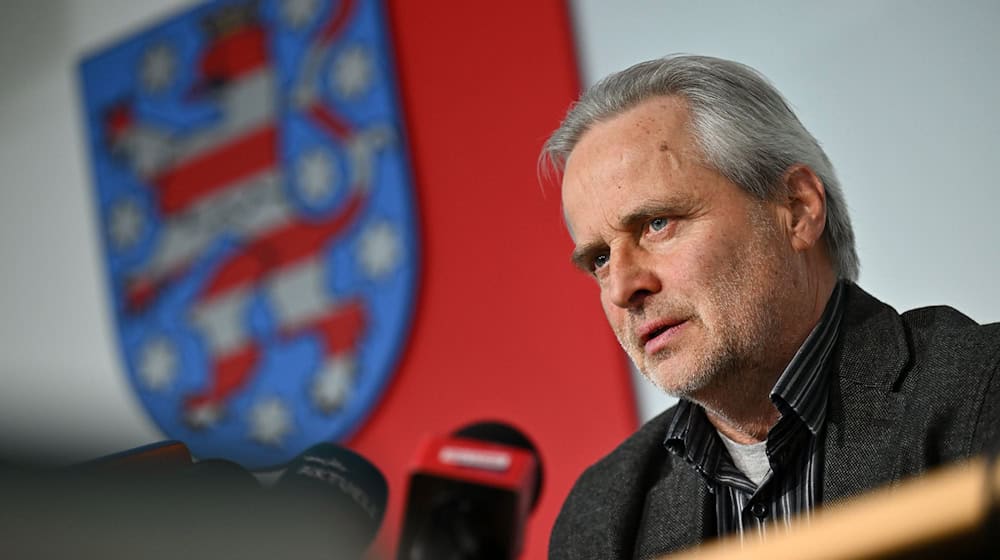
The three BSW state parliamentary groups in Brandenburg, Saxony and Thuringia want to coordinate more closely to increase their clout. This was announced by the group chairmen Niels-Olaf Lüders, Sabine Zimmermann and Frank Augsten after a meeting in Leipzig. Despite all the regional differences, the aim is to "deliver BSW policy from a single source in the three states". Despite different roles in government and opposition, the BSW is united by the claim to make policy based on real problems with the aim of fundamental change for citizens, explained Augsten, Lüders and Zimmermann. In Brandenburg, the Sahra Wagenknecht Alliance (BSW) has not been in a coalition with the SPD since last week following an internal dispute. Minister President Dietmar Woidke (SPD) pulled the ripcord after resignations from the party and parliamentary group and an unclear majority. In Saxony, the BSW broke off talks about a coalition with the CDU and SPD after the 2024 state elections. In Thuringia, the BSW is in coalition with the CDU and SPD, but has been sharply criticized by the party for its government work. The talks between the three parliamentary groups could narrow rifts in the BSW. Thuringia's BSW parliamentary group leader Augsten referred to the important state elections in 2026. In Mecklenburg-Western Pomerania and Saxony-Anhalt, the BSW would have a chance of entering the state parliament according to the latest polls. Elections will also be held in Berlin, Baden-Württemberg and Rhineland-Palatinate. Saxony's BSW parliamentary group leader Zimmermann said that the exchange between the three parliamentary groups would make "a joint, more powerful BSW policy possible". She cited reliable healthcare and the preservation of jobs as goals. Brandenburg's parliamentary group leader Lüders emphasized that they wanted to oppose "the militarization of all areas of society". The three parliamentary group leaders reiterated their call for the Bundestag elections to be recounted. The Bundestag had rejected this. The BSW narrowly failed to reach the five percent hurdle in the 2025 election. Copyright 2026, dpa (www.dpa.de). All rights reservedDifferent situation
Augsten: Important state elections


