

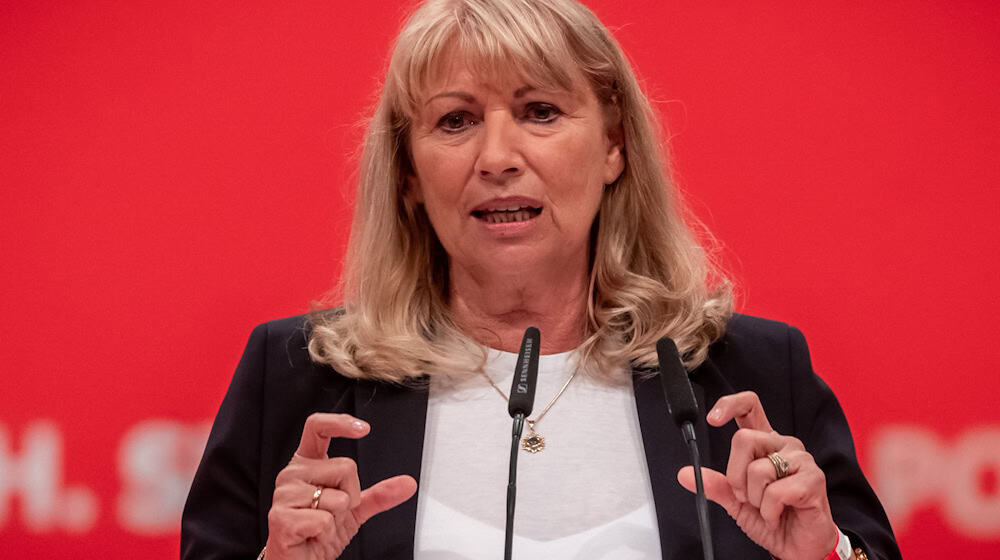
According to a new report, eleven percent of Saxons have a migration background. In 2023, that was 450,000 people - three times as many as in 2011, according to the Ministry of Social Affairs. Compared to the Saxon average, they are significantly younger. Almost half are under 30 years old, compared to just under 21 percent of residents born in Germany. A good 42 percent of people with a migration background came to Saxony as refugees, including the largest group of around 66,000 Ukrainians. Just under 30 percent are EU citizens. The report was reportedly compiled by the Empirica research and consulting institute on behalf of the Ministry of Social Affairs. It is also intended to serve as the basis for a renewal of the funding guidelines for integrative measures. The integration of people in the Free State was also discussed. One of the findings: Compared to the rest of Germany, an above-average number of people in Saxony without a migration background have little or no contact with people with a migration background, especially in their neighborhood. However, everyday encounters are of enormous importance for social integration, said Köpping. All sides benefit from these contacts. "Integration is a reciprocal process - it can only succeed together through communication, openness and partnership." According to the report, it takes an average of one and a half years from the time of entry until an integration course starts. This has an inhibiting effect, said Köpping. "Long waiting times delay language acquisition and reduce educational opportunities." She also sees a need to catch up in the area of employment. Saxony is dependent on immigration, the minister emphasized. "Without them, nothing would work in the healthcare sector, for example." Therefore, integration measures are still necessary. Copyright 2025, dpa (www.dpa.de). All rights reservedHardly any contact
Long wait for integration courses


