


A cow elephant can live to be 80 years old. A mouse only lives a few years. Why is that? Scientists have now found a surprising answer. Mammals that are prevented from reproducing live on average around ten percent longer.
An international research team has investigated how castration and contraception affect life expectancy. The Max Planck Institute for Evolutionary Anthropology in Leipzig was also involved. The researchers evaluated data from 117 mammal species from zoos around the world and also analyzed 71 previously published studies. The result is clear: animals that are unable to reproduce reach a higher average age. "Our study shows that reproduction has measurable and sometimes significant effects on the life expectancy of mammals," says Fernando Colchero, one of the lead authors.
Energy for offspring or for one's own body?
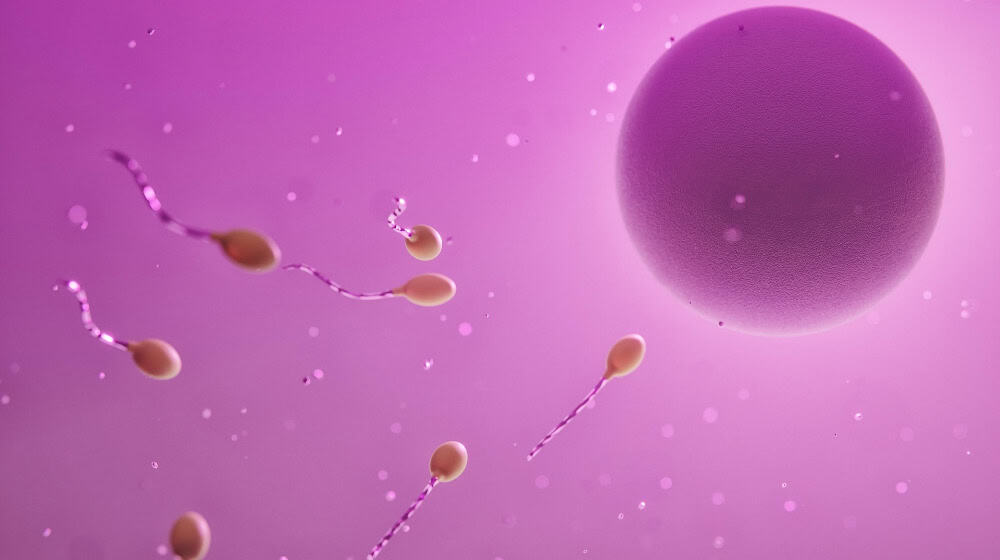
The explanation lies in evolution. Every living being has to divide up its available resources: either for reproduction or for the maintenance of its own body. Both at the same time is only possible to a limited extent. Reproduction is energetically costly. Pregnancy and breastfeeding put a considerable strain on the body, as does the production of sperm. Sex hormones such as testosterone and oestrogen also influence growth, behavior and ageing processes. "When less energy flows into reproduction, more energy is available for longevity processes," explains Colchero.
This effect was particularly pronounced in marmoset baboons. Females whose reproduction was hormonally inhibited lived on average 29 percent longer. Castrated males achieved a 19 percent longer life expectancy.
Males and females benefit differently
While life expectancy increases in both sexes, the biological reasons differ. In males, a life-extending effect was only seen after castration. "This indicates that the loss of testosterone plays a decisive role," explains lead author Mike Garratt from the University of Otago. The effect was particularly clear when castration took place early in life. In females, various forms of reproductive suppression prolonged life. The decisive factor here is apparently that the physically stressful processes of pregnancy and lactation are eliminated.
The causes of death also differ. Castrated males die less frequently due to aggressive fights or risky behavior. Females without reproduction are less likely to die from infections. This suggests that pregnancy and lactation can temporarily weaken the immune system.
There is little reliable data available for humans. Historical records from Korea show that eunuchs at the royal court lived around 18 percent longer than non-castrated men. For women, on the other hand, sterilization is only associated with a very small change in life expectancy. "Reproduction is inherently costly," the authors emphasize. In humans, however, medical care, nutrition and social support can partially cushion these biological costs.

