Researchers from Leipzig have discovered a biological control mechanism that occurs in most modern humans but was absent in Neanderthals. It could have helped to maintain an important vitamin in the body. | more
Dogs were already living alongside humans more than 14,000 years ago. A new international study, involving the Max Planck Institute in Leipzig, shows how advanced genetic methods are reshaping the history of our closest animal companion. | more
Nur bis zum 20. September warten in den Marken-Outlets Schwarzheide-Mitte zahlreiche zusätzliche Aktionen. Besonders spannend sind die drei neuen Stores von PUMA, MARC O’POLO und ONLY & SONS. Zum Finale verbindet der verkaufsoffene Sonntag Shopping und Wasserturmfest zu einem erlebnisreichen Familienausflug | more
How did people in the Bronze Age react to difficult times? What did they eat, how did they bury their dead and where did they come from? A new study led by the Max Planck Institute for Evolutionary Anthropology in Leipzig provides answers for the first time. The study is based on ancient DNA and chemical traces from bones. | more
How do children understand where others are looking? Researchers at the Max Planck Institute in Leipzig have studied 1,377 children from 14 countries. Their findings reveal a universal thought process that works in the same way all over the world. However, the study also reveals surprising differences between individual children. | more
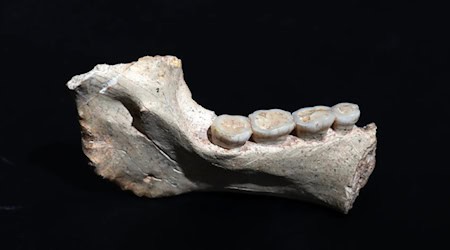
Scientists have found 773,000-year-old bones in a Moroccan quarry - from people who lived at a time when Homo sapiens and Neanderthals were just parting ways. The Max Planck Institute for Evolutionary Anthropology in Leipzig was involved in the investigation. The findings provide rare insights into our common ancestors and confirm that Africa was the cradle of humanity: Africa was the cradle of mankind. | more
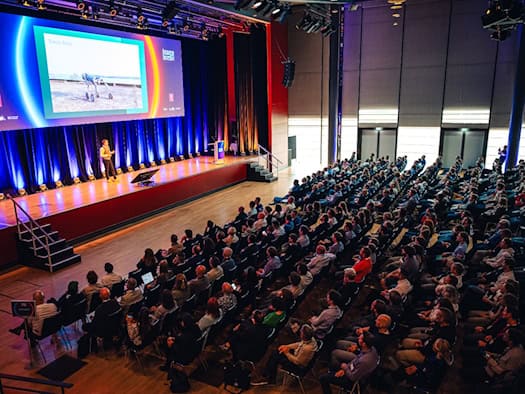
Am 14. und 15. September 2026 wird Dresden erneut zum Treffpunkt für angewandte Künstliche Intelligenz. Bei der Brains on Silicon 2026 im ICD Dresden sprechen Expertinnen und Experten von Unternehmen wie SAP, GitHub und You.com darüber, wie KI aus Pilotprojekten in echte Geschäftsprozesse kommt. | more
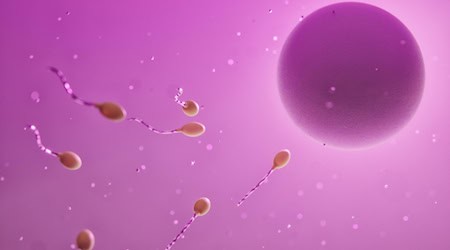
Children or a long life? This question actually arises in nature. Together with international colleagues, researchers in Leipzig have studied 117 mammal species. The result: animals whose reproduction is prevented live on average ten percent longer. The reason lies in evolution. Every living creature has to divide its energy between producing offspring and maintaining its own body. The study shows how this balance works and what it means for humans. | more