

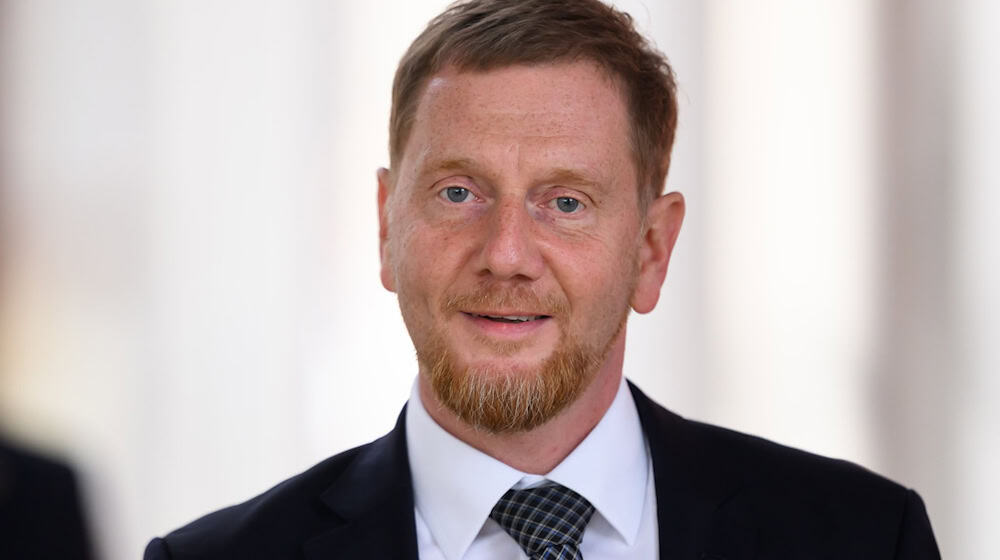
Saxon Minister-President Michael Kretschmer, like Federal Chancellor Friedrich Merz (CDU), believes a fundamental reform of the Working Hours Act is necessary. "Germany needs more flexibility in the world of work in order to remain competitive and meet the needs of employees and companies," he said in Dresden, reaffirming his long-standing position on this issue. "Large parts of the Working Hours Act date from a different era. It no longer fits in with a modern working world in which mobile working, shift models, caring for relatives and international project work have long been part of everyday life," argued the Minister President. Merz's latest statement addresses this problem. The Federal Chancellor was asked at the New Year's reception for business in Halle which law he would abolish if he had the opportunity. Merz's answer: "I would probably scrap the Working Hours Act." Kretschmer spoke out in favor of a change from a rigid maximum daily working time to more flexible weekly working hours. This would allow companies to react better to order peaks and employees to adapt their working hours more closely to their personal circumstances. "More flexibility means more freedom. It is about more self-determination for employees and employers for a better work-life balance and to secure jobs in an increasingly tough international competitive environment." Modernization of working time legislation is particularly crucial for eastern Germany as a business location: industry, skilled trades and SMEs need reliable but flexible framework conditions and employees want more leeway in shaping their working hours, he continued. The state must stop slowing down innovation with outdated regulations. "We must no longer stand by and watch as companies relocate investments abroad because Germany is standing still on key labor law issues," warned Kretschmer. If you want growth, prosperity and secure jobs, you have to act now. The reform of the Working Hours Act is not an attack on employee rights, but a necessary modernization of the welfare state. Kretschmer immediately received opposition. It is no wonder that entrepreneurs welcome the end of the Working Hours Act, explained Susanne Schaper, parliamentary group leader of the Left Party in the state parliament. "Then they could put even more pressure on employees to work beyond the agreed workload. The boundaries between working hours and free time would become even more blurred. Many families in Germany in particular would lose out." The German Trade Union Confederation (DGB) in Saxony also rejected the proposal as an "attack on workers' rights". "What is being sold here as modernization is nothing more than a return to the working conditions of the imperial era," emphasized DGB state head Markus Schlimbach. Copyright 2026, dpa (www.dpa.de). All rights reservedIs the Working Hours Act out of date?
Kretschmer in favor of flexible weekly working hours instead of rigid rules
Kretschmer: Reform is not an attack on employee rights
Criticism of statements follows immediately


