loading

Nachrichten werden geladen...

Saxony is increasingly confronted with animal diseases

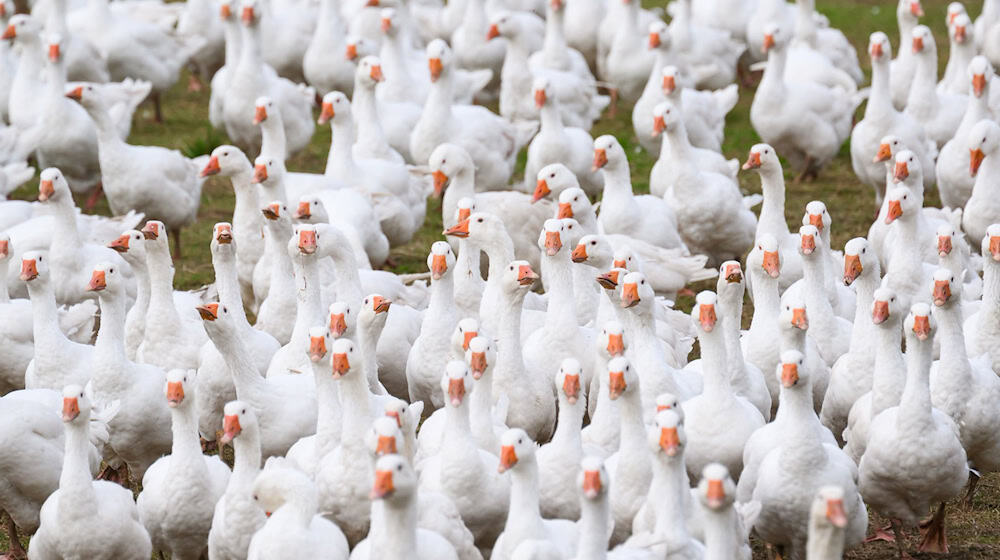
The Eskildsen goose farm was also affected by the current bird flu outbreak (archive photo). / Photo: Robert Michael/dpa

Saxony is struggling with animal diseases such as avian influenza and African swine fever. The responsible Minister Köpping believes that prevention and cooperation are the key to containment.

Saxony is facing ever greater challenges due to animal diseases. The fight against bird flu, African swine fever (ASF) and other epidemics is a constant challenge for the veterinary authorities, said Social Affairs Minister Petra Köpping (SPD) after the cabinet meeting in Dresden. "Globalization, climate change and changing conditions increase the risk of their spread." She had previously brought the government up to date on animal diseases.


Köpping insists on more prevention and closer cooperation

The protection of animal health is of central importance for agriculture, food security and society. "In order to counter these risks effectively, we need to break new ground in the fight against animal diseases," said Kipping. This includes stronger prevention and close cooperation between authorities, science and livestock farmers. This is the only way to identify animal diseases at an early stage, combat them effectively, prevent animal suffering and secure the future of animal husbandry.

African swine fever as good as eradicated

Köpping drew a positive conclusion regarding ASF. It is as good as eradicated in Saxony. However, this statement can only be made with caution, as a new case could occur tomorrow. There are currently still outbreaks of ASF in North Rhine-Westphalia, Baden-Württemberg, Rhineland-Palatinate and Hesse. More than 2,600 cases are currently active there. In Saxony, there is currently only one active case, which will expire on February 5: "Then Saxony will be ASF-free after five and a half years."

No domestic pigs affected by ASF in Saxony

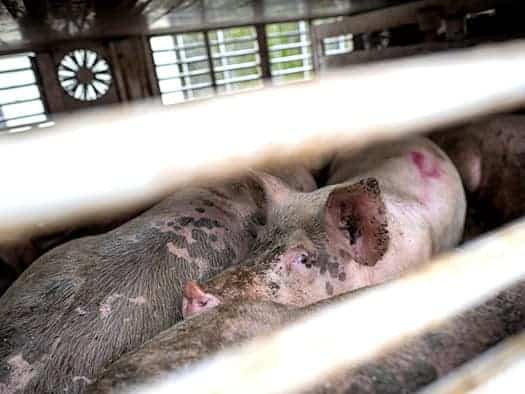
Köpping recalled that just three years ago, one third of Saxony was still an ASF restricted zone. Today, only parts of the districts of Bautzen and Görlitz are still affected. The fact that only wild boars and no domestic pigs were affected was a success story. Saxony has had to spend around 60 million euros on combating ASF since 2020. Support from the EU via the federal government has been low at less than one million euros.


Effects of bird flu devastating

Köpping described the effects of bird flu as devastating. It is the most severe avian influenza since records began. More than 2.6 million animals have died in Germany so far or had to be killed in the fight against the disease. In Saxony, there have been 39 cases in wild birds to date - mainly geese, cranes and swans. In total, over half a million farm animals - turkeys, geese and chickens - have had to be killed in Saxony so far.

Losses often threaten livestock farmers' livelihoods

"The losses for livestock farmers are often life-threatening," said the Minister. In her conversations with livestock farmers, she was able to sense their concern. "It's not just a case of saying: 'Now we're culling'. These are animals." Livestock farmers are naturally concerned about animal welfare and then have to take such measures. "This is very drastic for livestock farmers." Although the animal disease fund provides compensation, this never makes up for the losses.

Discussion about bird flu vaccination for poultry

According to Köpping, Saxony and the animal disease fund each share the compensation equally. The state has earmarked 500,000 euros for this in 2026, but the money will probably not be enough. She supports calls to increase the maximum amount per animal from 50 to 110 euros. It is understandable that livestock farmers are calling for poultry to be vaccinated. However, vaccination against bird flu is only permitted in exceptional cases under European animal health legislation. The discussion about this is continuing.

Only one case of bluetongue in cattle in Saxony

Saxony has only had one case of bluetongue in cattle to date. On December 1, 2025, a cattle in the district of Meißen was found to be infected with this virus. According to Köpping, there is still great fear among livestock farmers when it comes to foot-and-mouth disease, even though this highly infectious disease has basically been eradicated in Saxony. Fortunately, after the outbreak of the disease in water buffalo in Brandenburg, there has been no further spread.

Copyright 2026, dpa (www.dpa.de). All rights reserved

🤖 Die Übersetzungen werden mithilfe von KI automatisiert. Wir freuen uns über Ihr Feedback und Ihre Hilfe bei der Verbesserung unseres mehrsprachigen Dienstes. Schreiben Sie uns an: language@diesachsen.com. 🤖