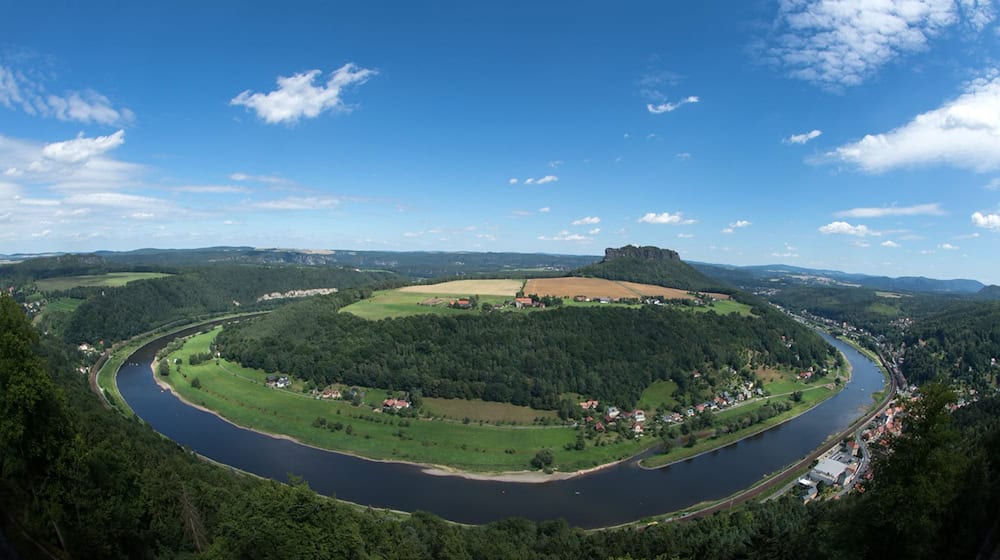
The Bund für Umwelt und Naturschutz Deutschland (BUND) wants to study special habitats in Saxony's Elbe Valley over the next six years. Specifically, the project called Xero is about dry and warm locations and their connectivity, BUND announced. The study areas include the districts of Sächsische Schweiz-Osterzgebirge and Meißen as well as the city of Dresden. The project is funded by the Federal Agency for Nature Conservation and supported by the David Nature Foundation.

Retreats for specialized animal and plant species
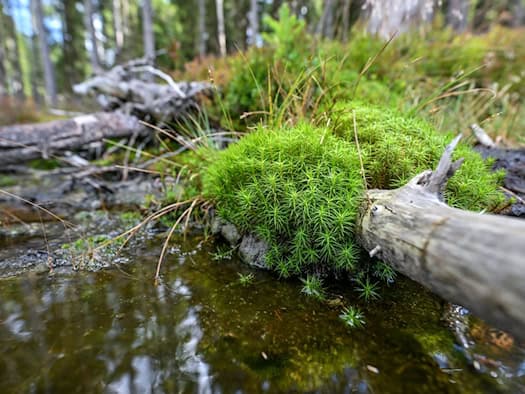
According to BUND, numerous specialized animal and plant species find their retreats on the sunny slopes of Saxony's Elbe Valley. However, the biotopes, which are characterized by warmth, are often small and isolated from one another. The new program aims to connect these valuable habitats through targeted measures.
Oases of biodiversity
"The warm, dry habitats are oases of biodiversity - but they must not remain isolated islands," emphasized Felix Ekardt, head of BUND in Saxony. Xero creates connections that are vital for the survival of the plants and animals living there, especially in times of climate change.
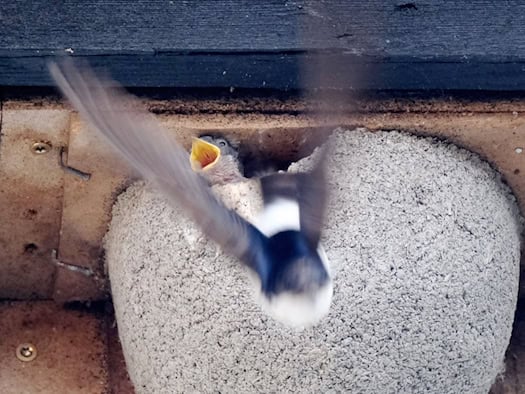
Typical inhabitants of dry and warm habitats include reptiles such as the sand lizard and the smooth snake as well as butterfly species such as the blue butterfly and the sail butterfly. In addition, rare bird species such as the hoopoe and wryneck as well as numerous wild bee and grasshopper species benefit from the project measures.
Flora and fauna adapted to heat
According to BUND, the dry and warm biotopes are largely the result of traditional, extensive use. "Regular mowing or grazing led to the formation of species-rich, lean open land areas with flora and fauna adapted to heat and drought." In addition to dry grasslands, the project also focuses on orchards, quarries, cairns and dry stone walls. A team of four is to implement the measures.
Copyright 2026, dpa (www.dpa.de). All rights reserved