


Lowering blood sugar halves the risk of heart attack in prediabetes
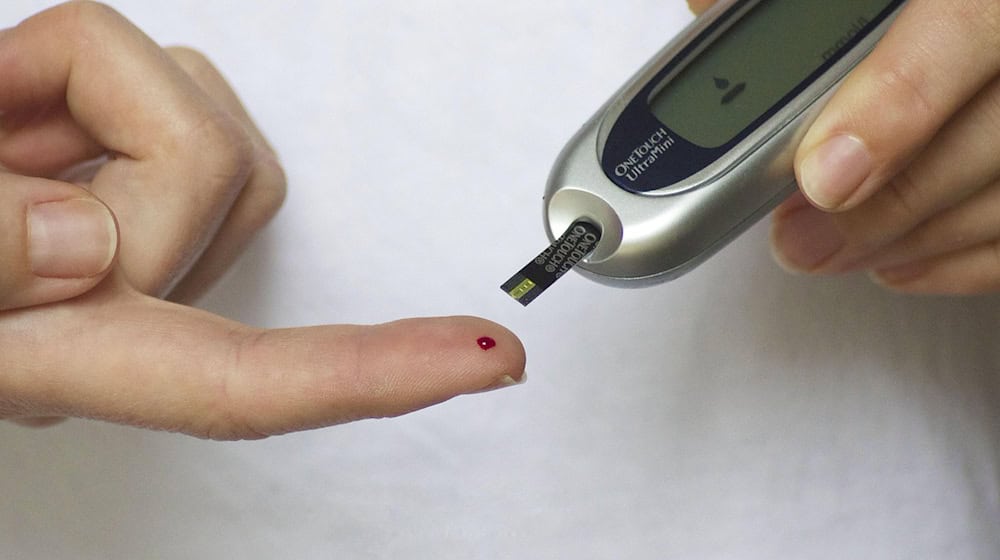
Around one in five adults in Germany has elevated blood sugar levels. The values are above the normal range, but not yet as high as in diabetes. Doctors refer to this as prediabetes. Until now, the recommendation has been to eat healthier and exercise more. However, a new study by TU Dresden and King's College London has now revealed something surprising. The decisive factor is not lifestyle changes alone, but whether blood sugar levels actually normalize.
The research was published in the renowned journal "The Lancet Diabetes & Endocrinology". It is part of transCampus, a long-standing collaboration between the two universities. The key finding of the study is that those who manage to normalize their blood sugar levels have a more than 50 percent lower risk of death from heart disease as well as serious heart problems that require hospital treatment.
Challenging old beliefs
Study leader Dr Andreas Birkenfeld works at King's College London and Tübingen University Hospital. "This study challenges one of the most important assumptions of modern preventive medicine," he explains. For years, people with prediabetes were told that they could prevent heart disease and premature death by losing weight, exercising more and eating a healthier diet. "While such lifestyle changes are undoubtedly beneficial, there is no evidence that they reduce the risk of heart attacks or mortality in people with prediabetes." However, the study shows that a reduction in prediabetes is associated with a significant reduction in fatal heart disease, heart failure and overall mortality.
In the case of prediabetes, this means that blood sugar returns to normal. The scientists re-evaluated data from two large long-term studies. One was conducted in the USA, the other in China. In both, people with prediabetes were followed over several decades. All participants received support for more exercise and a healthier diet.
Protection lasts for decades
The result was clear. Those who normalized their blood sugar levels had a 58 percent lower risk of dying from cardiovascular disease or having to be hospitalized for heart problems. This protection persisted even decades later. In addition, there was a 42 percent lower risk of heart attacks, strokes and other serious cardiovascular events.
It is estimated that more than one billion people worldwide suffer from prediabetes. Cardiovascular disease is one of the most common causes of death. The new findings could therefore help many people. "Our study results suggest that remission of prediabetes - alongside lowering blood pressure, lowering cholesterol levels and quitting smoking - could serve as a fourth important primary prevention tool to effectively prevent heart attacks and deaths," adds Birkenfeld.
This means a potential change of direction for treatment. It's not just about living healthier. It's about actually normalizing blood sugar. This may require additional medical measures. The research thus provides a concrete, measurable therapeutic goal.

