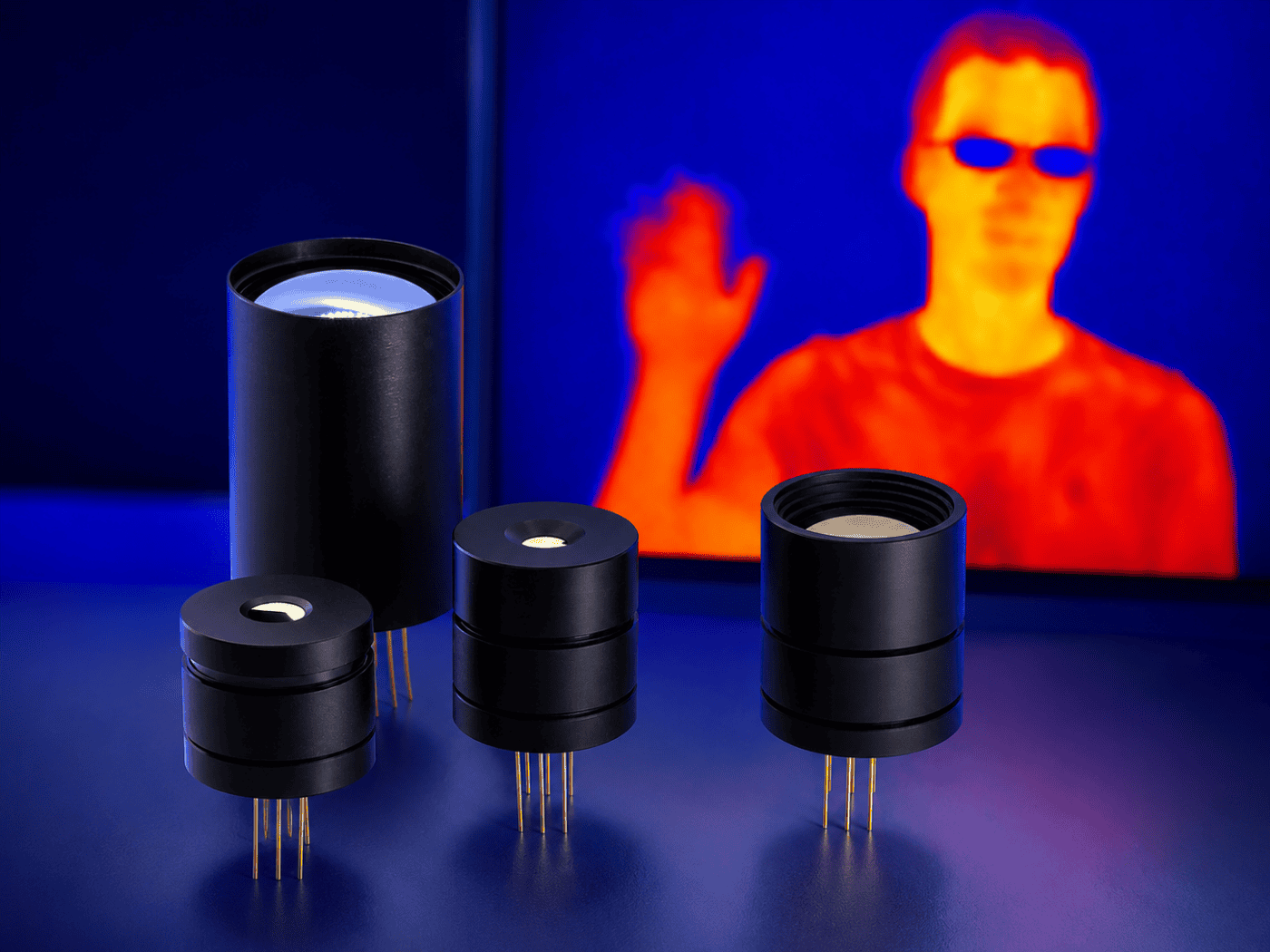
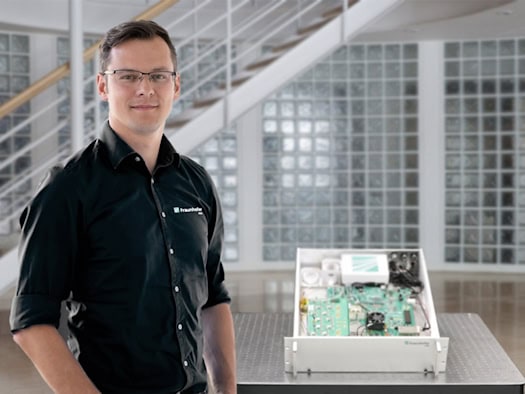
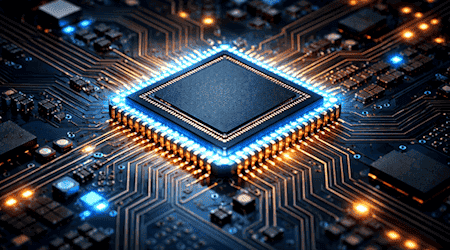
True random numbers are at the heart of all secure encryption. Researchers at Fraunhofer IPMS in Dresden have developed Q-Dice, a generator that derives randomness directly from quantum physics. This makes it significantly more difficult for hackers to attack passwords and bank data. | more
8,000 highway bridges in Germany are considered to be in need of repair. Researchers at Fraunhofer IKTS in Dresden are working on a monitoring system that keeps an eye on bridges around the clock by listening to them. COMOBASE detects cracks and damage through acoustic signals before they become dangerous—and at a fraction of the cost of previous monitoring methods. | more
Die Ostsächsischen Maschinenbautage widmen sich am 28. und 29. Oktober dem Thema „Robotik im Maschinenbau“ und zeigen, wie Automatisierung und Nachhaltigkeit für kleine und mittlere Unternehmen zusammengehen. Nutzen Sie Kolloquium, Kooperationsbörse und Unternehmensbesichtigungen, um wertvolle Kontakte zu knüpfen und die grüne Zukunft des Grenzraums mitzugestalten. | more
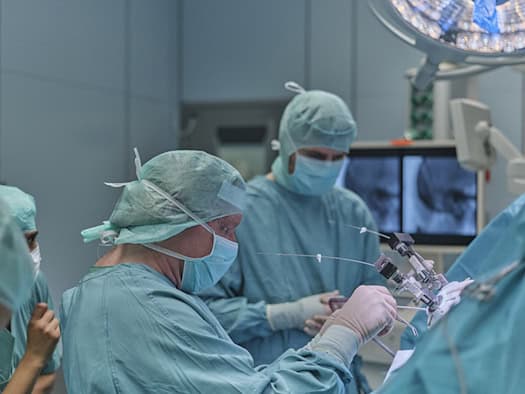
At Leipzig University Hospital, tailor-made surgical tools are being produced using 3D printing to make operations more precise and less invasive. Now the team is already working on the next step: smart glasses that project patient data directly into the surgeon’s field of view. | more
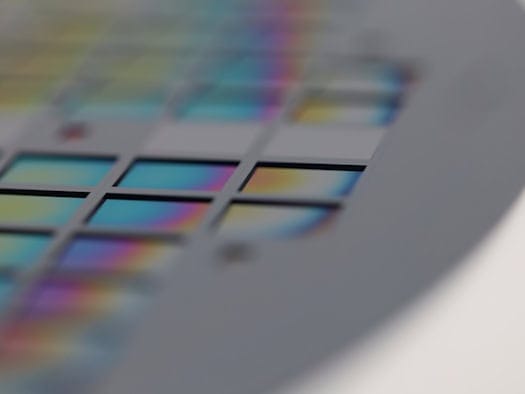
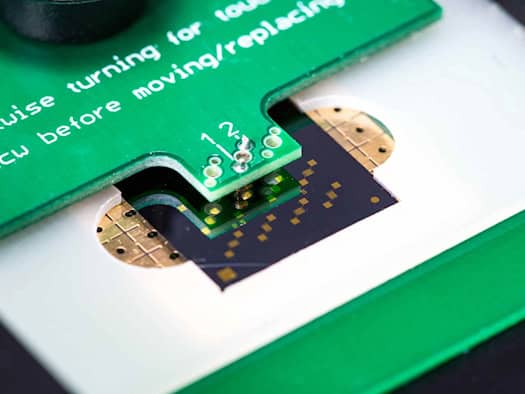
Chips are in almost everything we use every day. But how do you make them even more powerful without making them bigger? Researchers at the Fraunhofer IPMS in Dresden have taken a decisive step. They embed tiny chip components in silicon so precisely that a compact overall system is created - with a huge impact for AI, smartphones and more. | more
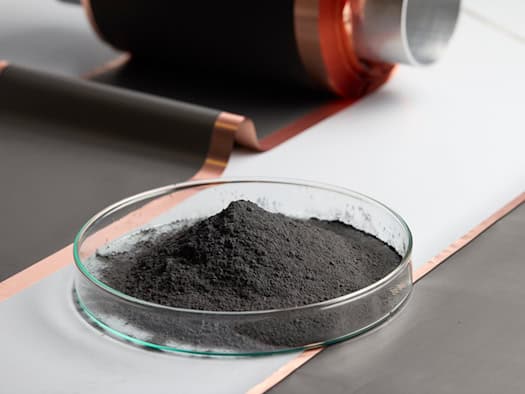
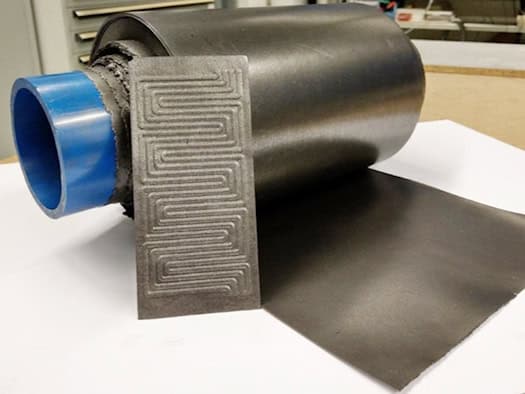
Batteries are everywhere. But their production can be energy-intensive and relies on chemicals that are under environmental scrutiny. Researchers at the Fraunhofer IWS in Dresden are working with colleagues from Taiwan to change this. Their goal is a new manufacturing method that reduces the need for problematic chemicals and lowers energy consumption. | more
Schon wieder zu viel gegessen oder eine wichtige Aufgabe aufgeschoben? Oft reagieren wir auf solche Verhaltensweisen mit Selbstkritik. Doch damit bekämpfen wir meist nur das sichtbare Symptom – und übersehen, was wir in diesem Moment wirklich brauchen. | more
Cyberattacks, disinformation, hybrid warfare — modern threats are often invisible and difficult to detect. In Leipzig, the Fraunhofer Institute for Communication, Information Processing and Ergonomics is now researching how such risks can be identified and countered at an early stage. At the same time, a new Saxon research network is bringing together 18 institutions to work on security and resilience. | more
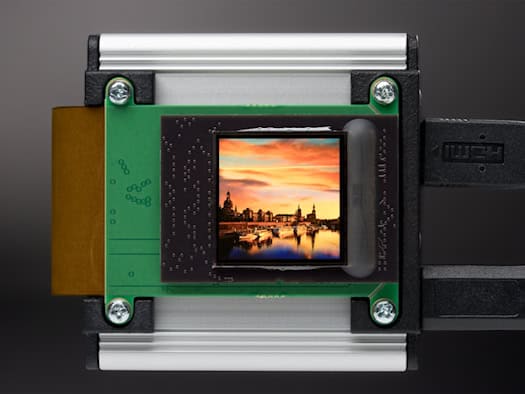
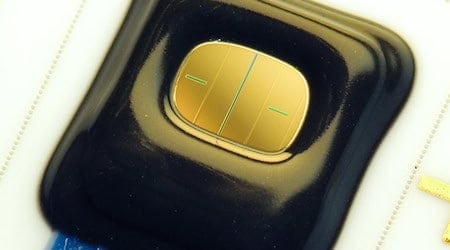
A screen barely larger than a postage stamp, yet packing more than four million pixels: researchers in Dresden have developed a microdisplay aimed at making augmented reality glasses brighter, sharper, and more practical for everyday use. | more
Gute Nachrichten tun gut. In unserem freitäglichen Good Newsletter bündeln wir die Geschichten, die Mut machen, inspirieren und zeigen, was in Sachsen vorangeht. Jetzt abonnieren und positive Nachrichten direkt ins Postfach bekommen. | more
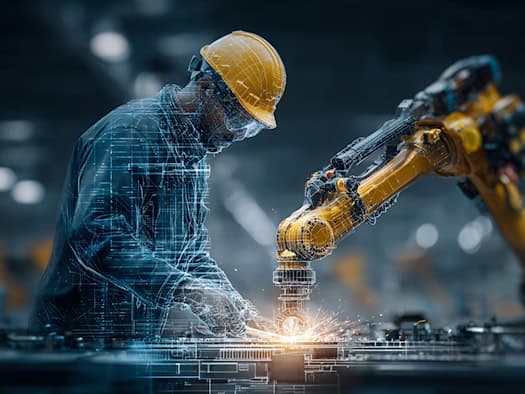
No cables, no radio: researchers at the Fraunhofer IPMS in Dresden are transmitting industrial data through factories using light. The system works with very low latency, without electromagnetic interference, and in real time. How it works – and why it could matter for the factories of the future. | more
New coatings from Dresden are intended to make important components for hydrogen technology cheaper and more durable. | more
In jedem Verein, in jeder Straße, in jedem Treppenhaus gibt es diesen einen Menschen, der einfach da ist – ohne Bezahlung, ohne Applaus, oft ohne ein einziges Dankeschön. DIE SACHSEN NEWS startet eine neue Serie und sucht genau diese Menschen: Sachsens Alltagshelden. Und die Chancen stehen gut, dass Sie selbst schon eine oder einen kennen. | more
New sensors from Saxony are designed to detect environmental changes immediately. This not only helps in the forest. The AI also helps to measure even the smallest pollutants directly on site. | more
An excavator that lasts longer. A factory that uses less energy. Researchers at Fraunhofer IWS in Dresden have developed a solution for exactly that. With a new laser direct cladding process, they can protect metal parts from wear more effectively than before – while reducing energy consumption by up to 90 percent. | more
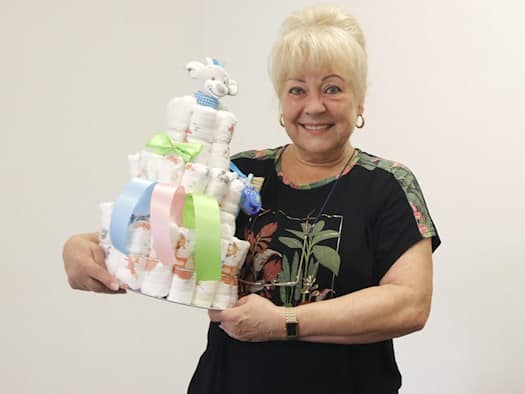
In Dresden-Pieschen fertigt Andrea Rehn im Zentralwerk personalisierte Geschenke für frischgebackene Eltern und deren Familien. Besonders gefragt sind bestickte Windeln mit Geburtsdaten sowie kreative Windeltorten – und das nicht nur online, sondern auch deutschlandweit über DM-Märkte. Jetzt gibt es 10 Prozent Rabatt im Shop. | more
Ultra-thin material layers are found in almost every modern device. Their performance depends on precise measurements. A Dresden research project now aims to take thin-film characterization to a new level. | more
Eavesdropping-proof communication and powerful quantum computers need one thing above all: single photons that can be precisely controlled. A Saxon research team from HTW Dresden, Fraunhofer and two technical universities is now working on this – using tiny crystals and highly sensitive detectors. | more
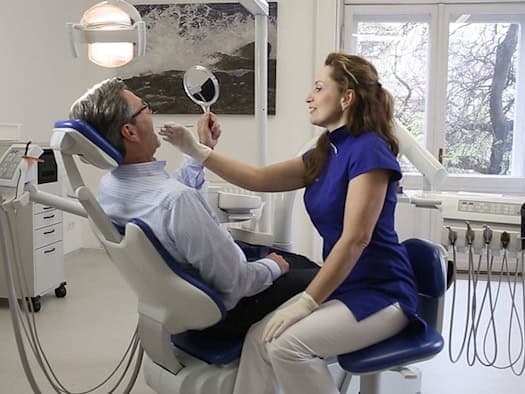
Zahnbehandlungen können in Deutschland schnell zur finanziellen Belastung werden. Besonders bei Implantaten, Kronen, Brücken oder umfangreichem Zahnersatz liegen die Kosten häufig im vierstelligen Bereich. Viele Patienten stehen dann vor einer schwierigen Entscheidung: Behandlung durchführen lassen und hohe Eigenanteile zahlen – oder den Eingriff aufschieben, obwohl er medizinisch sinnvoll wäre. | more
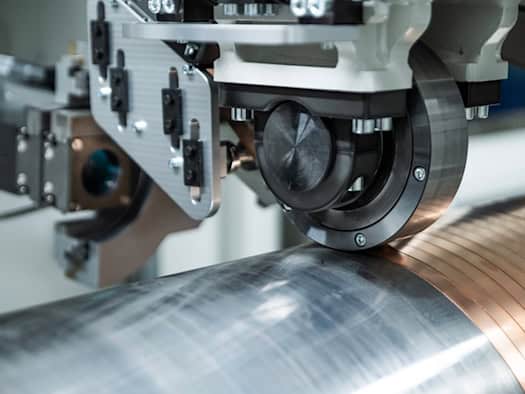
Huge presses shape metal parts for cars, data centres and hydrogen technologies. However, they are expensive, large and energy-intensive. Researchers at the Fraunhofer Institute for Machine Tools and Forming Technology (IWU) in Dresden want to change that. With a smart rolling process and real-time monitoring, manufacturers could reduce costs by up to 70 percent in the future – without compromising quality. | more
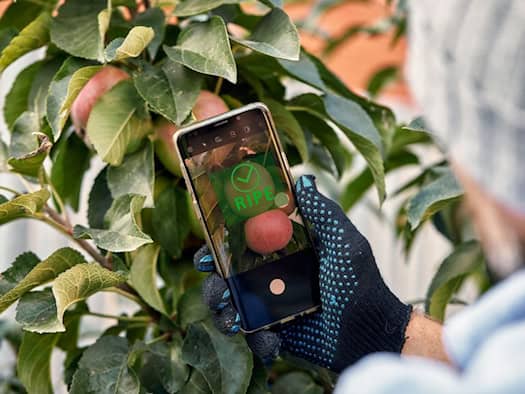
Data everywhere, energy in short supply: a €15-million research project aims to make AI far more efficient. Researchers in Dresden are developing brain-inspired chips and smart sensors that could help farmers determine when fruit is ready to harvest. | more
Die Ostsächsischen Maschinenbautage widmen sich am 28. und 29. Oktober dem Thema „Robotik im Maschinenbau“ und zeigen, wie Automatisierung und Nachhaltigkeit für kleine und mittlere Unternehmen zusammengehen. Nutzen Sie Kolloquium, Kooperationsbörse und Unternehmensbesichtigungen, um wertvolle Kontakte zu knüpfen und die grüne Zukunft des Grenzraums mitzugestalten. | more
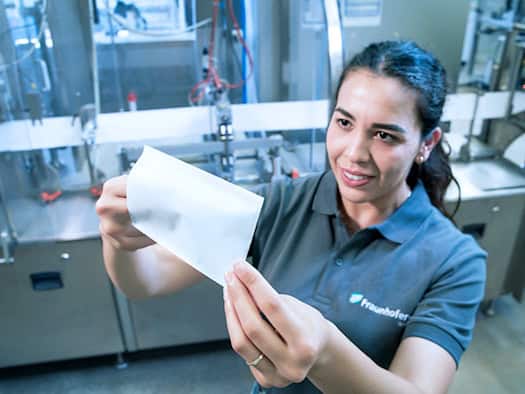
Paper packaging is considered the better choice. It is more sustainable, recyclable and environmentally friendly than plastic. But they still have one problem: they need adhesives or layers of plastic to seal them, which makes recycling more difficult. Researchers in Dresden want to change this - with a laser that creates its own adhesive in the paper. | more
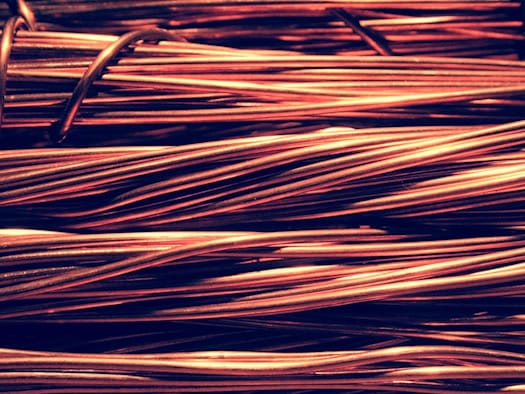
Extracting copper from waste - with the help of bacteria and electron beams. What sounds like a crazy idea is reality. The Fraunhofer FEP in Dresden is running a new plant that combines the two. The yield increases, the waste shrinks. A look at a technology that could change the supply of raw materials. | more
Schon wieder zu viel gegessen oder eine wichtige Aufgabe aufgeschoben? Oft reagieren wir auf solche Verhaltensweisen mit Selbstkritik. Doch damit bekämpfen wir meist nur das sichtbare Symptom – und übersehen, was wir in diesem Moment wirklich brauchen. | more
Perpetual chemicals, PFAS for short, can be found in raincoats, pans and every chip. Researchers at Fraunhofer ENAS in Chemnitz are working with European partners to ban these toxic substances from chip production. Their new process could make the semiconductor industry cleaner, more energy-efficient and healthier. | more
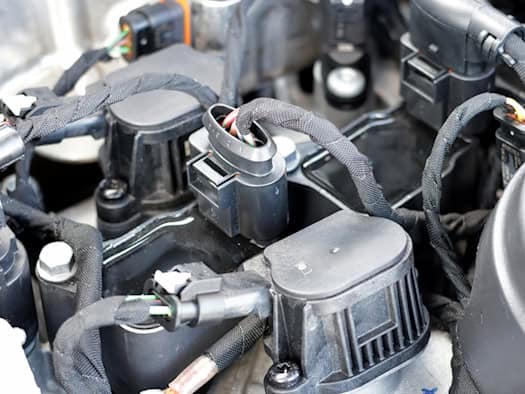
Modern cars and factories need networks in which data not only arrives quickly, but also with pinpoint accuracy. The Fraunhofer IPMS in Dresden has developed a chip component that is ten times faster than previous solutions and works with nanosecond precision. The technology makes self-driving cars safer and production plants more efficient. | more
Gute Nachrichten tun gut. In unserem freitäglichen Good Newsletter bündeln wir die Geschichten, die Mut machen, inspirieren und zeigen, was in Sachsen vorangeht. Jetzt abonnieren und positive Nachrichten direkt ins Postfach bekommen. | more
Previous pH measuring devices have a weak point: sensitive electrodes. Researchers at the Fraunhofer IPMS in Dresden are now replacing them with robust chips. The technology could improve measurements in medicine, agriculture and environmental protection. | more
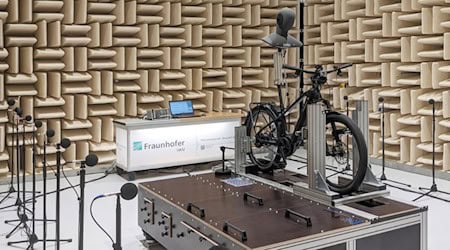
Rattling and cracking noises spoil the joy of a new e-bike. Researchers at the Fraunhofer IWU Dresden have developed a test bench that detects annoying noises at the prototype stage. This enables manufacturers to optimize their premium bikes in a targeted manner and bring them to series production. | more
In jedem Verein, in jeder Straße, in jedem Treppenhaus gibt es diesen einen Menschen, der einfach da ist – ohne Bezahlung, ohne Applaus, oft ohne ein einziges Dankeschön. DIE SACHSEN NEWS startet eine neue Serie und sucht genau diese Menschen: Sachsens Alltagshelden. Und die Chancen stehen gut, dass Sie selbst schon eine oder einen kennen. | more
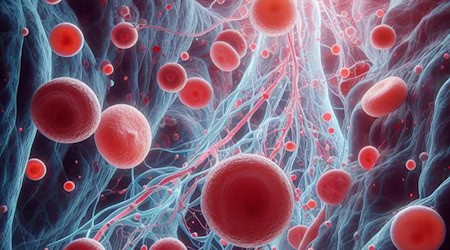
Researchers in Leipzig have developed a new method to prevent dangerous rejection reactions after blood stem cell transplants. The Fraunhofer Institute for Cell Therapy and Immunology treats donor cells with special antibodies prior to transplantation. Unlike previous approaches, this therapy does not weaken the entire immune system. Initial tests in the laboratory have been very promising. | more
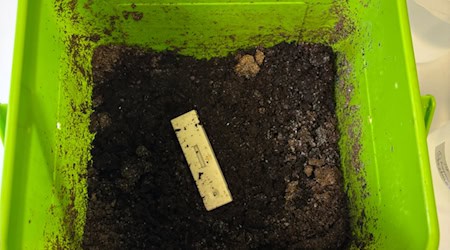
Millions of tons of plastic waste from rapid tests - is that necessary? HTW Dresden says no and is developing tests made from biodegradable material. The plastic is made from plant starch and composts in 90 days. Researchers in Saxony want to create a sustainable alternative for medical diagnostics. | more
In Dresden-Pieschen fertigt Andrea Rehn im Zentralwerk personalisierte Geschenke für frischgebackene Eltern und deren Familien. Besonders gefragt sind bestickte Windeln mit Geburtsdaten sowie kreative Windeltorten – und das nicht nur online, sondern auch deutschlandweit über DM-Märkte. Jetzt gibt es 10 Prozent Rabatt im Shop. | more
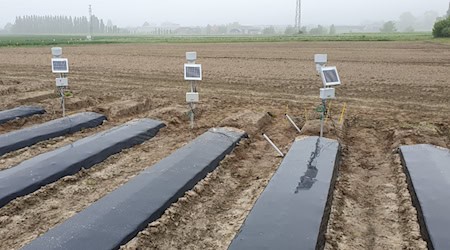
Every year, thousands of tons of plastic film are left behind in Europe's fields, polluting the soil with microplastics. Together with European partners, the Fraunhofer FEP in Dresden is developing an innovative solution: mulch films made of cellulose that decompose themselves after harvesting. Particularly clever: special structures channel water directly to the plants and are intended to quadruple water use. | more