


Cleaner batteries: Dresden researchers explore solvent-free coating
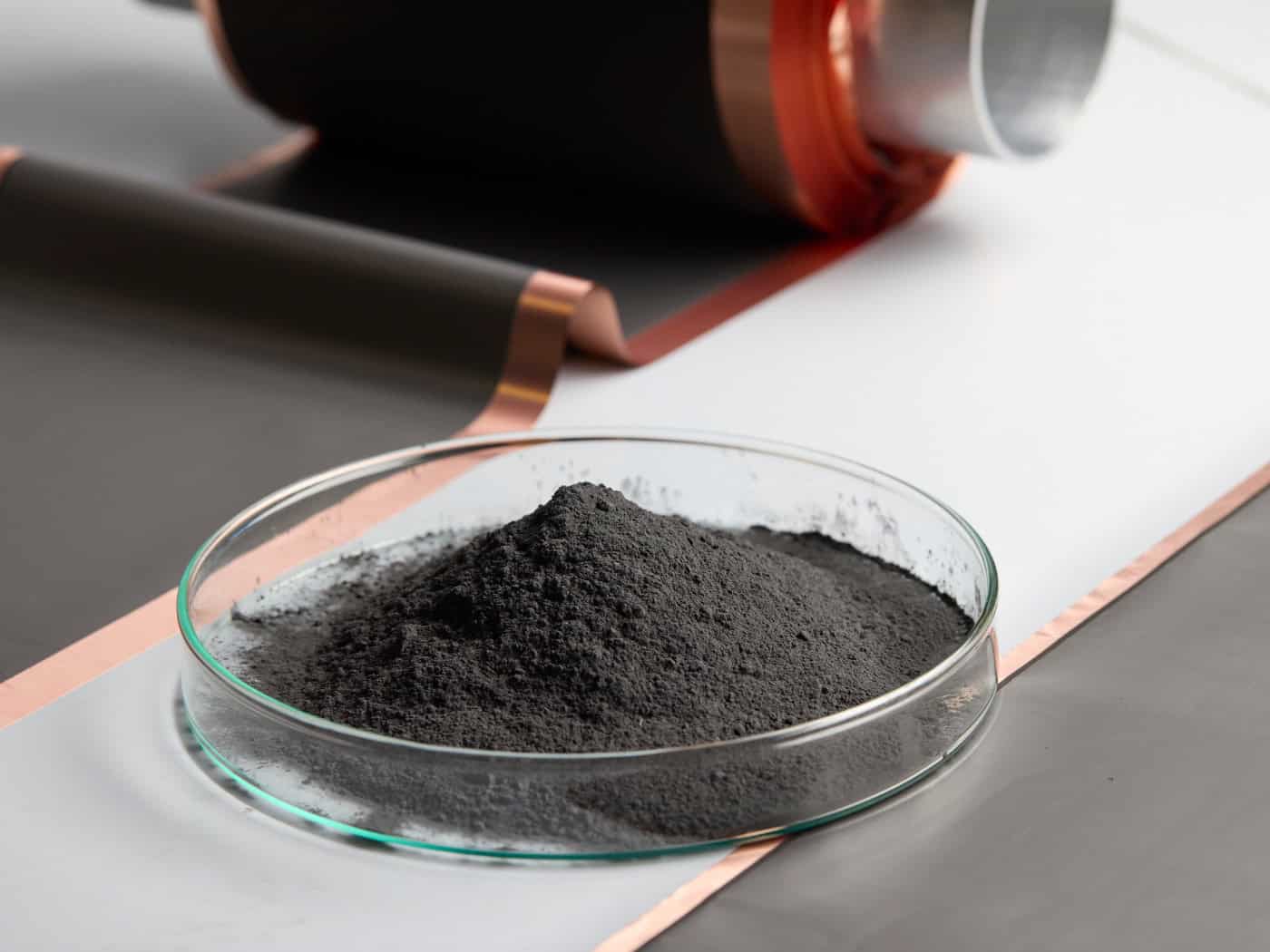
Batteries have become an integral part of our everyday lives. They power electric cars and keep smartphones and laptops running. But their production has a catch. It is energy-intensive and sometimes uses problematic chemicals. Researchers from Dresden want to change this.
The Fraunhofer Institute for Material and Beam Technology IWS in Dresden has launched the "FREDY" project together with the Taiwanese research institute ITRI. At its core is an alternative manufacturing process for battery electrodes: so-called dry coating, i.e. a process without liquid solvents.
Why is the current process a problem?
Normal battery electrodes are currently produced using a wet process. This involves dissolving materials in liquids and applying them. The liquid then has to be dried and recovered at great expense. This costs a lot of energy and requires large, expensive systems. Another detail is even more problematic. The coatings usually contain substances from the PFAS group. These "eternal chemicals" hardly degrade in nature and accumulate in living organisms. However, the extent to which they damage the environment and health depends on the exact substances involved and the extent to which people and the environment are exposed to them. In Europe, there is growing pressure to severely restrict their use.
Dry coating does not require these solvents. It saves energy and makes the process simpler. However, how great this advantage actually is on an industrial scale depends heavily on the actual implementation. At the same time, it places high demands on the materials used - and this is precisely where the project comes in.
Fluorine-free alternatives and more stable materials
The team led by Dr. Benjamin Schumm, head of the Particle Technology department at the Fraunhofer IWS, is developing new binders. These are substances that hold the electrode together without any fluorine. "We link material development directly with process and system concepts and thus accelerate the transfer to industrial applications," says Schumm.
These fluorine-free binders are considered a key prerequisite for being able to use dry coating processes without PFAS in the long term. However, it remains to be seen whether they can completely replace existing materials. At the same time, the researchers are improving the active materials, i.e. the substances that store the energy in the battery. The cooperation partner ITRI is using a process called atomic layer deposition for this. In this process, wafer-thin protective layers are applied layer by layer to tiny particles. This coating makes the materials more stable and can increase the performance and service life of the batteries.
The FREDY project will run from September 2025 to August 2028. The results will then be transferred to industry, i.e. to production for large quantities - for manufacturers of battery cells, machines and materials, for example. The project is part of a broader trend: with stricter environmental regulations and rising energy costs, the pressure to make battery production more efficient and sustainable is growing. Dry coating processes are considered promising in this regard, but have not yet been established on an industrial scale across the board.

