


New sensor chip makes pH measurements more reliable
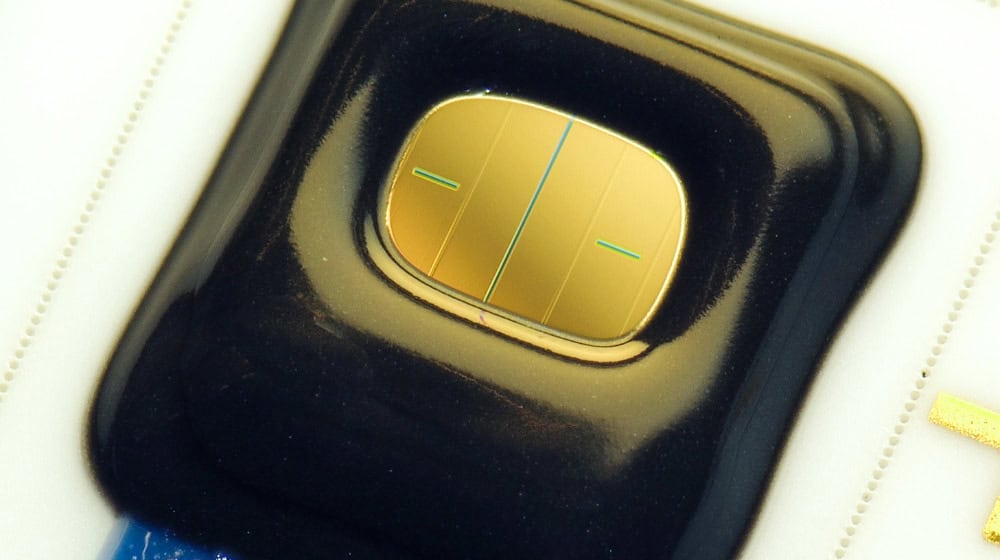
An incorrect pH value can render a blood sample unusable, cause a body of water to tip over or endanger a harvest. This makes measuring devices that work reliably all the more important. Researchers at the Fraunhofer Institute for Photonic Microsystems IPMS in Dresden have now developed a technology that is designed to do just that. The focus is on a robust chip.
The pH value indicates how acidic or alkaline a solution is. Doctors use it to test blood or urine, farmers test their soil and environmental experts monitor water quality. Until now, electrodes made of silver, silver chloride and potassium chloride have mostly been used for this purpose. Although these provide stable measured values, they are sensitive to changes. If the salt concentration fluctuates, the membrane becomes clogged or dries out, the results can become unreliable.
Chip instead of electrode
Instead of traditional electrodes, the research team relies on so-called ion-sensitive field-effect transistors (ISFETs). These are tiny semiconductor components that translate chemical changes directly into electrical signals. Such chips are already being used successfully for actual pH measurement. Now the researchers have also replaced the previously sensitive reference electrode with a so-called reference ISFET. The new chips avoid typical problems of classic reference electrodes such as clogged membranes, measurement deviations due to changes in concentration or impurities in the measurement solution.
The technology currently uses two chips. Both are coated with wafer-thin layers of niobium pentoxide or tantalum pentoxide, which makes them particularly stable and easy to store. One chip reacts sensitively to changes in the pH value, while the second serves as a stable reference. The device precisely calculates the actual acidity of the solution from the interaction of both signals. The process currently works in the range from pH 4 to pH 8 - a spectrum that covers many applications in medicine, biology, agriculture and environmental analysis.
From research to practice
The chips are each five by five millimetres in size and can be made even smaller if required. In the future, the team plans to integrate both components on a single chip and also incorporate temperature measurement. For reliable long-term measurements, sensor drifts, i.e. small measurement deviations that can be compensated for electronically, also need to be controlled. However, the first test kits are already available. The technology will now be presented for the first time at the Analytica 2026 trade fair in Munich.
If further development is successful, pH measuring devices could become so robust in future that they can be used not only in the laboratory, but also directly at the patient's bedside, in the field or in water.

