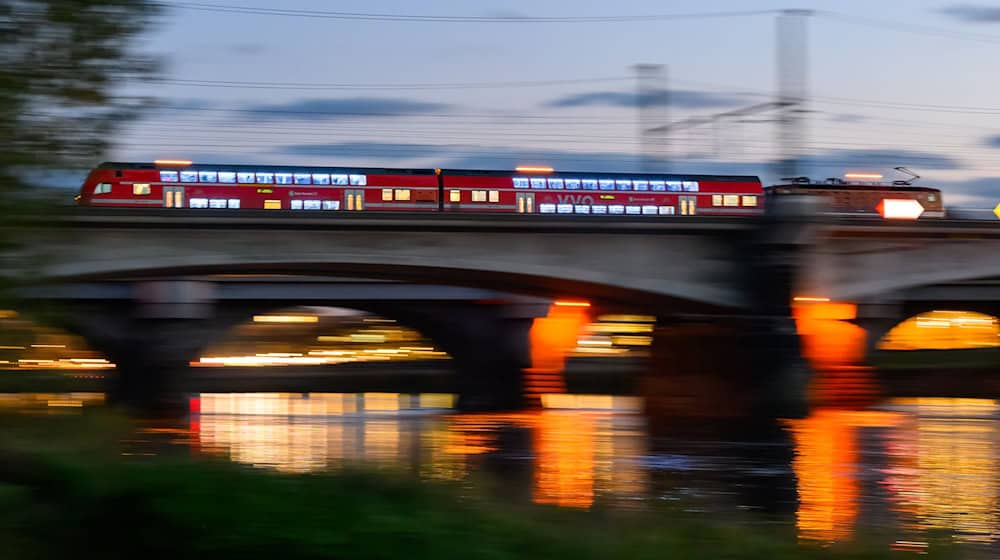
From Sunday, the ICE will once again be faster from Halle, Leipzig and Erfurt to Berlin. The timetable change is also coming nationwide. It also brings numerous changes for Saxony, Saxony-Anhalt and Thuringia. An overview - from ticket prices to roadworks.
More fast trains via Halle/Erfurt to Berlin and Munich
After almost three months of roadworks, the ICE route to Berlin is open again. The capital can now be reached more quickly again from Halle, Leipzig and Erfurt. The long-distance trains also stop in Wittenberg again.
There will also be more trains on the heavily used ICE route from Berlin to Munich via Halle and Erfurt. According to Deutsche Bahn, 16 fast ICE trains will run in each direction every day, three more than before. This means that Erfurt and Halle will be connected every half hour.
Direct to Paris and Krakow
Travelers can now travel directly to Paris from Halle and Erfurt. Once a day at 8.18 a.m. from Halle and 8.50 a.m. from Erfurt to the French capital.
It will soon be possible to reach Wroclaw and Krakow directly from Leipzig. In cooperation with the Polish railroad company PKP, two Eurocity trains a day will run on this route. They will also stop in Riesa and Hoyerswerda, among other places.
From May, there will also be a direct service from Dresden to Copenhagen. A night train between Copenhagen and Prague with a stop in Dresden will also be added to the service in the summer.
Cuts to IC connections
Due to weak demand, Deutsche Bahn is cutting services on several IC routes. Between Magdeburg and Hanover, the 5.00 a.m. train to the capital of Lower Saxony and the 9.36 p.m. evening connection to Magdeburg will be canceled on weekdays.
The service on the Leipzig-Jena-Nuremberg route will also be thinned out. Only two train pairs will remain from five train journeys in each direction. According to Deutsche Bahn, customers on this route prefer to use the similarly fast local services, especially with the Deutschlandticket.
S-Bahn Mitteldeutschland to be restructured
There are numerous changes in local transport, which is operated by different transport companies. One of the biggest is the new structure of the S-Bahn Mitteldeutschland. Among other things, the route from Leipzig to Naumburg will be integrated into the network. In future, the S6 will run there instead of the Regionalbahn 20. The S5/S5X from Zwickau via Altenburg to Halle will be extended to Halle-Trotha. The next major change to the S-Bahn network is due in 2026: The private Länderbahn will then take over some of the routes.
Later school start in the district of Wittenberg
In future, lessons will start half an hour later at 37 schools in the district of Wittenberg. This is an indirect consequence of the timetable change, as train and bus connections in Lutherstadt Wittenberg would no longer have worked. Without adjustments, pupils and commuters would have had to wait up to 46 minutes for connecting trains in future, the district announced. In consultation with schools, parents and providers, it was therefore decided to postpone the start of lessons.
No price increase on long-distance services
Unlike in previous years, Deutsche Bahn is not increasing prices on long-distance services this time. There are also no changes to railcards. In local transport, some of the various transport associations have already set higher ticket prices over the course of the year. Users of the Deutschlandticket will also have to pay more from January: 63 euros instead of the previous 58 euros.
Construction work on many routes
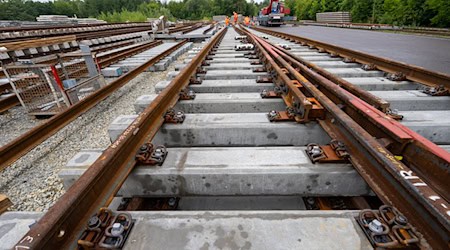
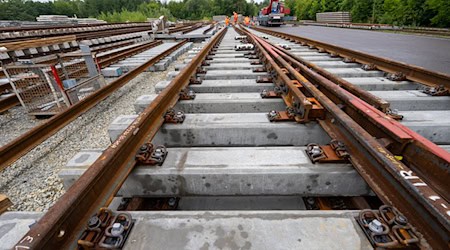
The railroad has to renovate its rail network - and this will lead to a number of restrictions. The general refurbishment of the important Berlin-Hamburg line will continue until April, which is why trains will be rerouted through Saxony-Anhalt and take longer.
The Nuremberg-Regensburg-Passau line is also being refurbished. From February 7, the two daily connections from Erfurt to Vienna will therefore be discontinued. Instead, there will be one direct connection per day to Innsbruck.
A general overhaul has also been announced for the route between Halle and Kassel. In future, local trains will generally run every hour. However, travelers will face long closures of individual sections.
Copyright 2025, dpa (www.dpa.de). All rights reserved