

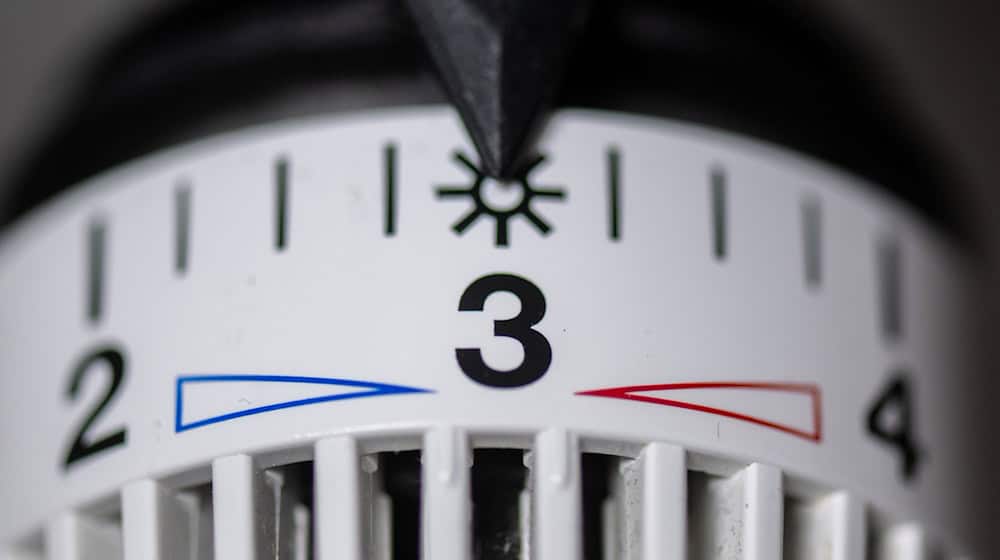
In view of possible significant increases in heating costs in Saxony, the consumer advice center advises tenants to check their bills carefully and critically question their own energy consumption. "If heating costs have risen, tenants should first critically analyze their own consumption behavior," says Lorenz Bücklein, energy consultant at the Saxony Consumer Center. As it is usually not possible to switch providers - for example for district heating - this is often the most effective way to reduce costs. The background to this is a forecast by energy service provider Techem, according to which consumers in Saxony could be among the most affected by heating cost increases in Germany. Households with a district heating supply in particular would have to expect significantly higher costs. The reasons cited by Techem include the loss of state relief and higher consumption due to the weather as a result of a comparatively cold winter. The consumer advice center recommends simple short-term measures such as free-standing radiators, lowered temperatures when not in use and regular ventilation. It is important not to let the room temperature fall below 16 degrees to avoid mold. In addition, high additional payments should not be accepted without checking. "As a rule, it is worth taking a critical look at a heating bill if costs have risen and additional payments are high," says the consumer advice center. Tenants are entitled to inspect receipts and can lodge an objection in the event of discrepancies. However, according to some providers in Saxony, heating costs are not rising across the board. In the Dresden area, it is mainly the expired state relief that is having an impact on bills. Although district heating prices have eased again after the energy crisis, many households still have higher costs. "The price brake no longer applied in 2024. Although the price of district heating eased again compared to the crisis year 2023, consumers are now noticing an increase in costs in their bills for 2024 - because there is no government support," said Dresden-based provider Sachsenenergie. In Leipzig, on the other hand, the municipal utilities report stable to falling prices. Higher heating costs there are mainly due to consumption. "The main reason for any increases in heating costs is therefore not the energy price, but the colder weather last year and the associated increased consumption of heating energy," explained a spokesperson. In the Chemnitz area, prices have even fallen slightly or remained almost constant recently, according to the supplier Eins Energie. A significant rise in heating costs due to a price increase is not discernible here, the company reports. However, the very cold weather in the winter months could have a significant impact on consumption and therefore on overall costs. Copyright 2026, dpa (www.dpa.de). All rights reservedForecast warns of peak values in Saxony
Heating costs depend on where you live


