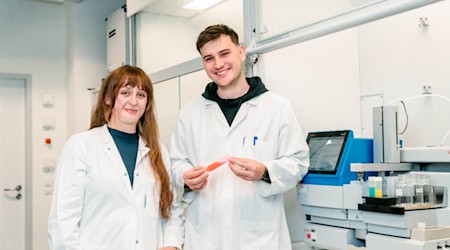
Researchers at the NCT/UCC in Dresden, working with an international team, have developed proteins that glow inside the body. The light they emit penetrates deeper into tissue than ever before. The discovery could help detect cancer cells more precisely during surgery. | more
How do electrons behave under conditions similar to those inside a planet? Researchers subjected aluminum to extreme pressure and high temperatures – and discovered that key models in physics are surprisingly inaccurate. | more
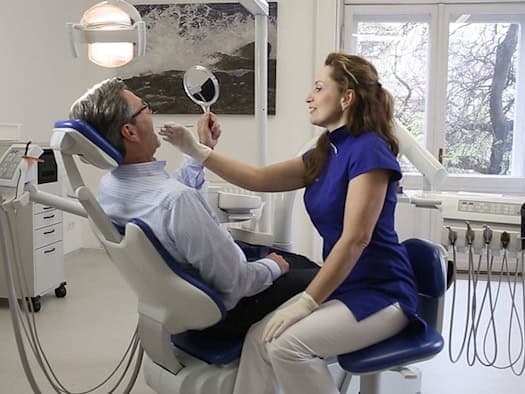
Zahnbehandlungen können in Deutschland schnell zur finanziellen Belastung werden. Besonders bei Implantaten, Kronen, Brücken oder umfangreichem Zahnersatz liegen die Kosten häufig im vierstelligen Bereich. Viele Patienten stehen dann vor einer schwierigen Entscheidung: Behandlung durchführen lassen und hohe Eigenanteile zahlen – oder den Eingriff aufschieben, obwohl er medizinisch sinnvoll wäre. | more
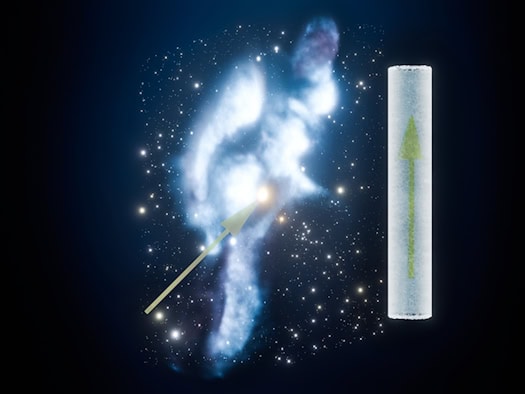
Magnetic field sensors can be found in almost every device we use every day. But many contain problematic metals such as nickel or cobalt. Researchers at the Helmholtz-Zentrum Dresden-Rossendorf have now developed printed sensors made from iron, cellulose and beeswax that can later dissolve in a controlled way. | more
Ancient Antarctic ice reveals traces of a long-ago stellar explosion: researchers in Dresden have detected the rare radioactive isotope iron-60. The discovery shows that Earth has been collecting material from interstellar space for thousands of years — providing new clues to the history of our cosmic neighborhood. | more
Whenever electricity flows through a cable, some energy is lost as heat. Superconductors could one day change that. In these materials, electricity flows without resistance. Researchers at the Helmholtz-Zentrum Dresden-Rossendorf have now examined a particularly promising class of superconductors under extreme pressure for the first time — using miniature magnetic lenses smaller than a human hair. | more
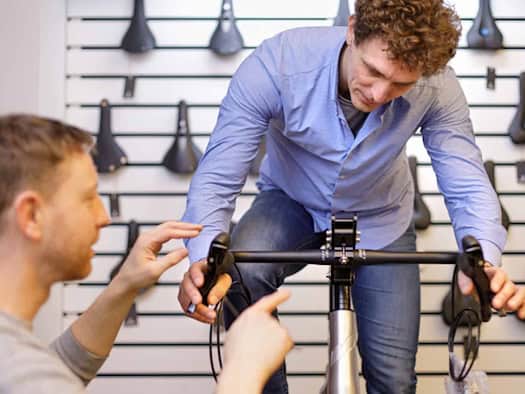
Rückenschmerzen, ein verspannter Nacken oder ein schmerzendes Gesäß können längere Radtouren schnell unangenehm machen. Häufig liegt das nicht am Fahrradfahren selbst, sondern daran, wie gut Fahrrad und Fahrer zusammenpassen. Vor allem Lenkerposition, Vorbaulänge, Oberkörperhaltung sowie Sattel und Sattelhöhe beeinflussen, wie komfortabel man unterwegs ist. | more
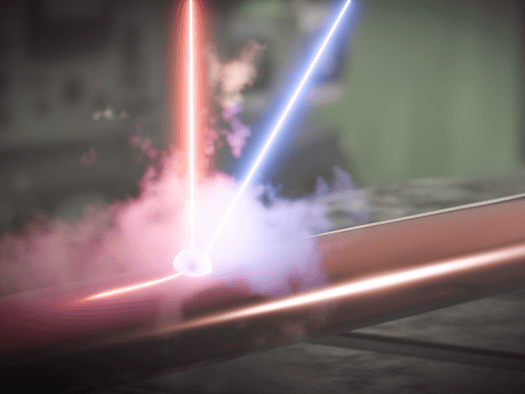
A hair-thin copper wire is struck by one of the world’s most powerful lasers – and vaporizes in trillionths of a second. Dresden researchers have captured the process in unprecedented detail, with implications for future fusion reactors. | more
Large batteries could store surplus wind and solar power and be cheap and durable at the same time. But many of these batteries age too quickly. Researchers from the Helmholtz-Zentrum Dresden-Rossendorf have now looked into a red-hot battery with X-rays and found out why. | more
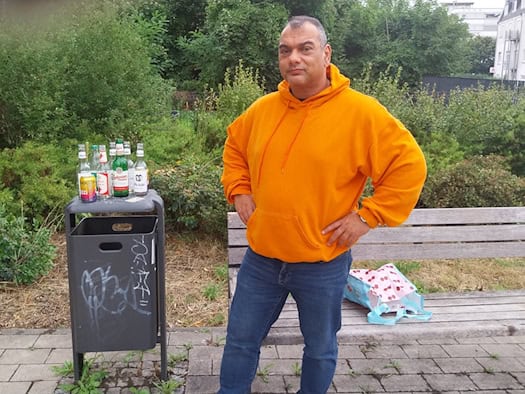
Auf dem Weg zur Arbeit, beim Spaziergang durch Dresden oder beim Warten auf die nächste Bahn – überall können sie liegen: leere Pfandflaschen und Dosen. Für die meisten sind sie Müll, für andere ein kleiner Schatz. Genau daraus macht Pfandpirat eine digitale Schatzsuche, bei der Nutzer Fundorte entdecken, selbst Flaschen melden, Punkte sammeln und gemeinsam auf die Jagd gehen können. Hinter der ungewöhnlichen Idee steckt der Dresdner Sammy Zimmermanns. Wie aus herumliegenden Pfandflaschen ein echtes Spiel für die Stadt geworden ist, lesen Sie hier. | more
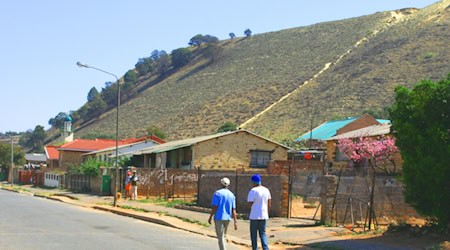
Every day, dust from huge spoil tips blows into the residential areas around Johannesburg in South Africa. What many people don't know: It contains uranium. Researchers from the Helmholtz-Zentrum Dresden-Rossendorf have investigated the extent to which children living near old gold mines are exposed. The hair analyses show clear differences to children from areas without mining. | more
Water that can conduct electricity extremely well? Researchers from Dresden and Rostock have discovered an exotic form of water that only forms under the most extreme conditions. The findings could explain what happens inside ice giants such as Uranus and Neptune. | more
Gute Nachrichten tun gut. In unserem freitäglichen Good Newsletter bündeln wir die Geschichten, die Mut machen, inspirieren und zeigen, was in Sachsen vorangeht. Jetzt abonnieren und positive Nachrichten direkt ins Postfach bekommen. | more
Researchers at the Helmholtz-Zentrum Dresden-Rossendorf have developed a molecular marker to help doctors choose the right bladder cancer therapy. The radiotracer NECT-224 makes visible whether tumors carry a certain protein to which modern drugs can dock. In summer 2025, it was used successfully for the first time on a patient at Dresden University Hospital. | more
Tiny magnetic vortices exhibit surprising behavior. Researchers at the Helmholtz-Zentrum Dresden-Rossendorf have discovered oscillation states that were previously unknown. The trick is that the effect can be generated with a tiny amount of energy. The discovery could help to connect different computer technologies. | more
In jedem Verein, in jeder Straße, in jedem Treppenhaus gibt es diesen einen Menschen, der einfach da ist – ohne Bezahlung, ohne Applaus, oft ohne ein einziges Dankeschön. DIE SACHSEN NEWS startet eine neue Serie und sucht genau diese Menschen: Sachsens Alltagshelden. Und die Chancen stehen gut, dass Sie selbst schon eine oder einen kennen. | more
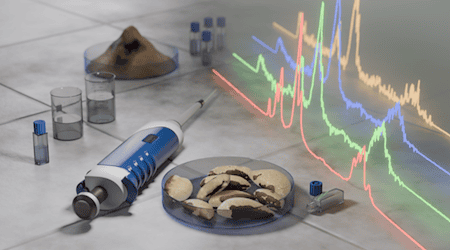
Brazil nuts are considered to be selenium bombs, but they also contain radioactive radium. Researchers from Dresden have now measured for the first time how much of it actually ends up in our bodies. The results reassure nut fans. | more