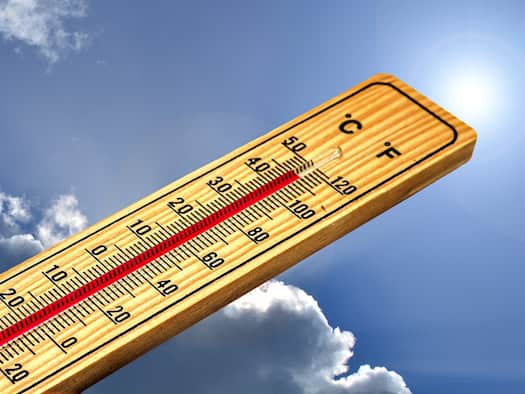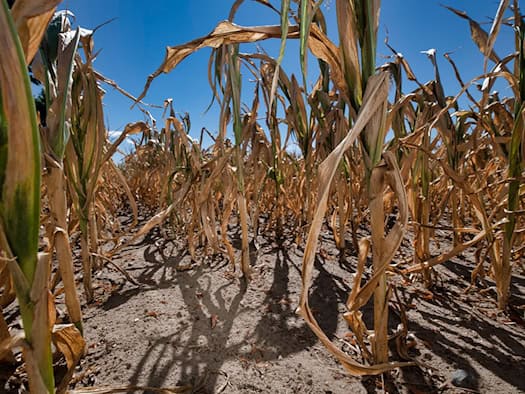

Future heat waves could be more intense than anything we've experienced so far. A new study from the University of Leipzig explains why late summer poses a particular risk and how dry soil further intensifies heat waves. | more
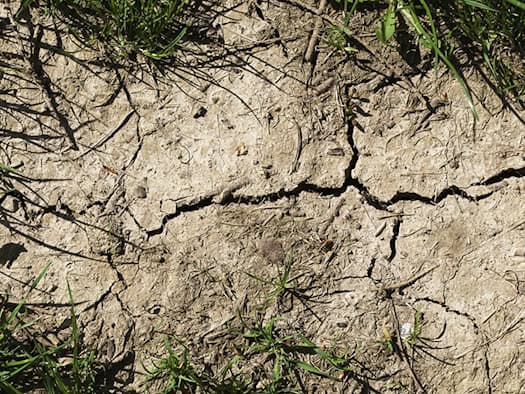
Cracks in the ground, low river levels, hot summers: Researchers at the University of Leipzig have discovered why Europe is suffering from droughts with increasing frequency. They show how drastically changing weather patterns are to blame. | more
Zahnbehandlungen können in Deutschland schnell zur finanziellen Belastung werden. Besonders bei Implantaten, Kronen, Brücken oder umfangreichem Zahnersatz liegen die Kosten häufig im vierstelligen Bereich. Viele Patienten stehen dann vor einer schwierigen Entscheidung: Behandlung durchführen lassen und hohe Eigenanteile zahlen – oder den Eingriff aufschieben, obwohl er medizinisch sinnvoll wäre. | more
Bioactive materials could be used in the future in medicine, environmental technology, or industry. With a new project, the University of Leipzig is further expanding its research in this promising field and aims to bring scientific ideas into practice more quickly. | more
Heat waves take a toll on tomato plants. Flowers and young fruits are particularly affected. An international team, including researchers from TU Dresden, has now investigated how hormones influence the heat tolerance of tomato pollen. This is an important step toward developing climate-resilient crops. | more
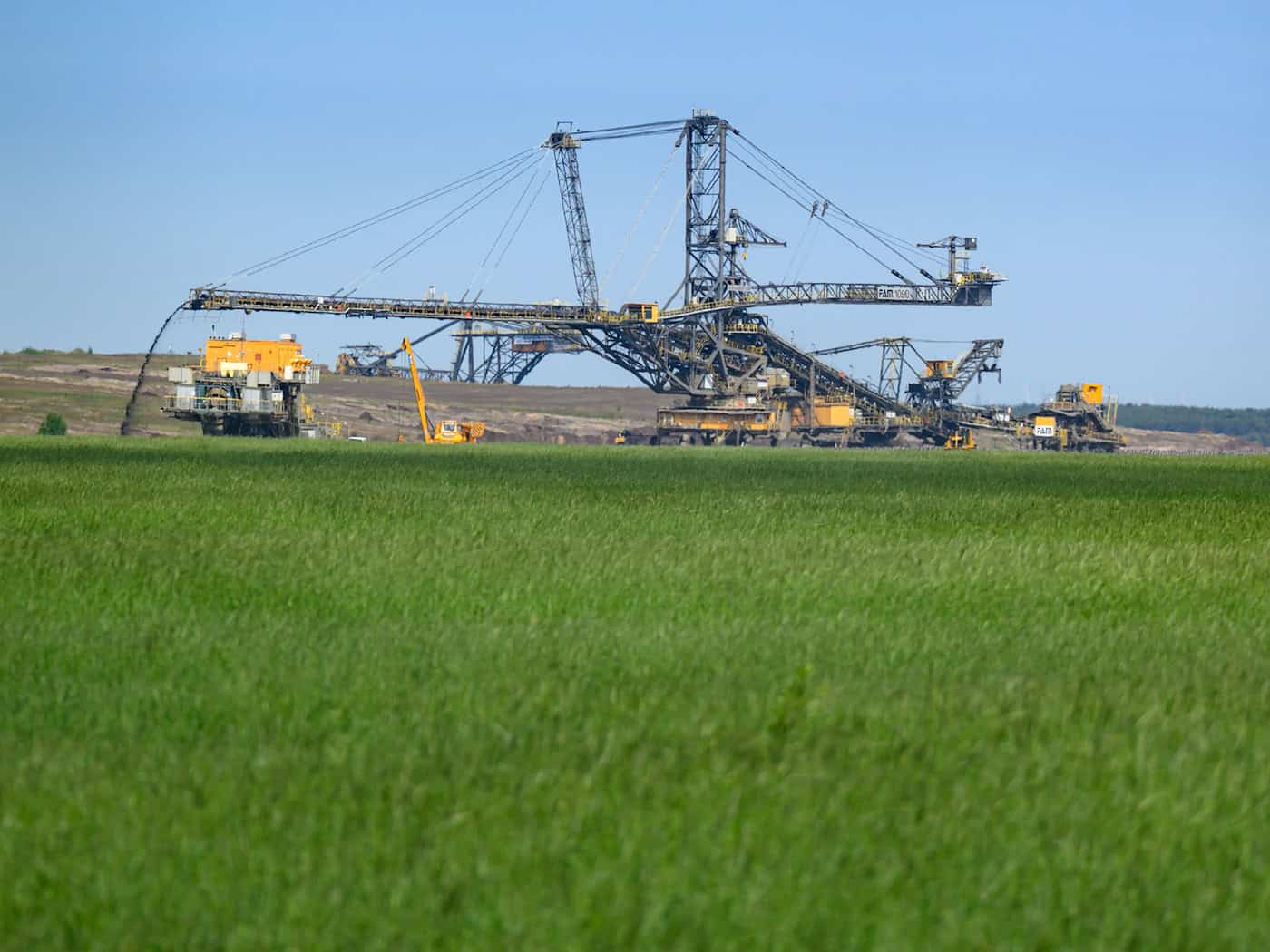
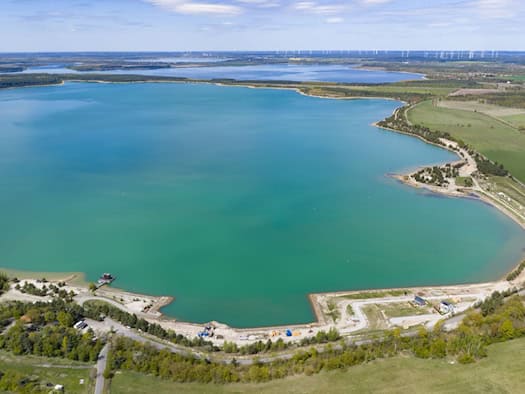
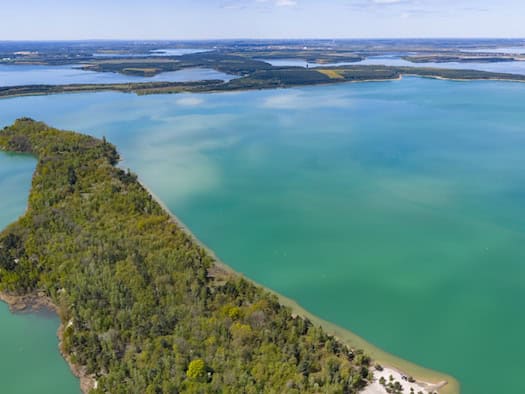
Five lakes, two countries, one goal: The Lusatian Lake District marks the completion of a massive mining reclamation project. Just how big is the whole thing? | more
Ein Glas Wasser kann mehr als den Durst löschen. Es kann nach Heimat schmecken. Oppacher Mineralwasser stammt aus elf eigenen Tiefbrunnen im Oberlausitzer Bergland. Die Bohrungen reichen bis zu 300 Meter tief in kristallines Granitgestein. Dort entsteht sein natriumarmes, sanft mineralisiertes Profil. | more
A major mining reclamation project is coming to an end—and a network of lakes is being launched. What scale are we talking about? | more
Turtles are found in German ponds and lakes, but most of them don’t actually belong here. A new study by the Senckenberg Natural History Collections in Dresden shows that 14 out of 15 confirmed species of aquatic turtles are invasive, mostly introduced by pets that were released into the wild. This could become a problem for native ecosystems. | more
Das Familienunternehmen Meißner Schwerter erhielt 2025 den Bundesehrenpreis für Bier – als eine von zwölf Brauereien bundesweit. Hinter der Auszeichnung stehen Braumeister mit Erfahrung, regionale Rohstoffe und eine Brautradition, deren Wurzeln bis ins Jahr 1460 reichen. Kennenlernen lässt sich diese Meißner Braukultur auch in den Gasthäusern der Privatbrauerei. | more
3.8 billion cubic meters of earth, 941 million euros, and 100 years of history: How the Lusatian Lake District plans to transform itself from a coal mining area into a hotspot for water sports and vacationers. | more
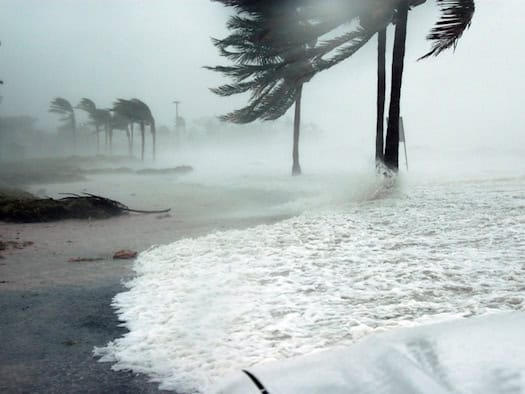
It is not the severity of a flood or a storm alone that determines the number of casualties. A study conducted in Leipzig shows that education, health, and prosperity often have a greater impact on how severely people are affected by climate-related disasters. | more
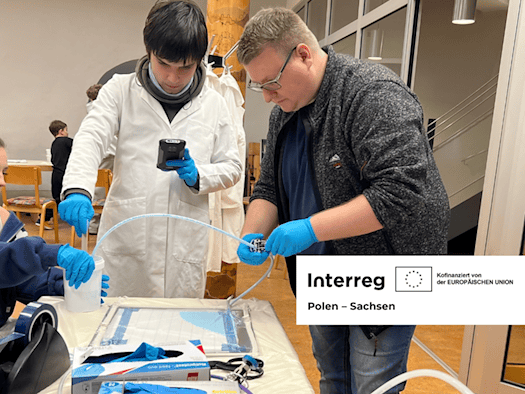
Nach zwei Jahren erfolgreicher Zusammenarbeit geht das INTERREG-Projekt „Grenzüberschreitende Experimentiergärten“ in die finale Phase. Am 4. November lädt das Technologie- und Gründerzentrum Bautzen zur Abschlusskonferenz „Impulse für die MINT-Bildung von morgen“ ein – ein Höhepunkt des Wissenschaftsjahres 2026. | more
Too much fertilizer in the fields, too much nitrate in the water: Researchers at the Helmholtz Center for Environmental Research in Leipzig, together with partners, have now comprehensively explained for the first time why heavy rainfall and drought can dramatically exacerbate the problem. Their study was published in the renowned journal Science and provides new insights and a clear warning for Europe. | more
The Southwest Saxony Master Plan is designed to support industrial transformation in this key industrial region. The focus is on creating new jobs and attracting new businesses: the first projects are already underway. | more
Neue Kollektionen, neue Outlets und attraktive Angebote: In Schwarzheide-Mitte gibt es jetzt viel zu entdecken. Die Schulferien sind die ideale Gelegenheit, mit Familie oder Freunden durch die Shops zu bummeln und neue Lieblingsstücke für die kühleren Tage zu finden. | more
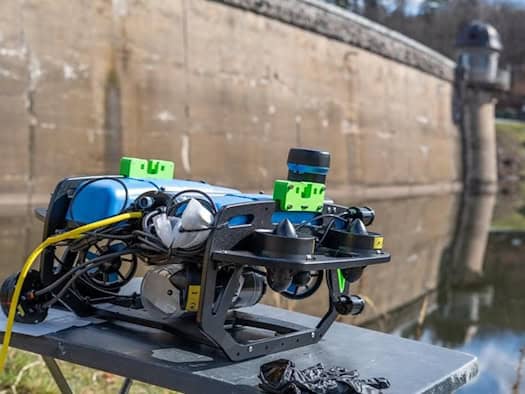
A robot dives where humans can hardly reach: along the underwater sides of dam walls. Researchers at TU Bergakademie Freiberg have developed it to detect cracks earlier, reduce costs, and improve water safety. | more
Water is often taken for granted – until it becomes scarce. Researchers at the Helmholtz-Zentrum Dresden-Rossendorf are working in Leipzig and along the Elbe to better understand how water systems can be secured in the future. Backed by around nine million euros in funding and new research approaches, they are exploring ways to make cities and rivers more resilient to climate change. | more
Auf dem Weg zur Arbeit, beim Spaziergang durch Dresden oder beim Warten auf die nächste Bahn – überall können sie liegen: leere Pfandflaschen und Dosen. Für die meisten sind sie Müll, für andere ein kleiner Schatz. Genau daraus macht Pfandpirat eine digitale Schatzsuche, bei der Nutzer Fundorte entdecken, selbst Flaschen melden, Punkte sammeln und gemeinsam auf die Jagd gehen können. Hinter der ungewöhnlichen Idee steckt der Dresdner Sammy Zimmermanns. Wie aus herumliegenden Pfandflaschen ein echtes Spiel für die Stadt geworden ist, lesen Sie hier. | more
An international study involving the German Biomass Research Center in Leipzig shows how using wood waste first in products and later for energy – with CO₂ stored underground – could help achieve climate neutrality. | more
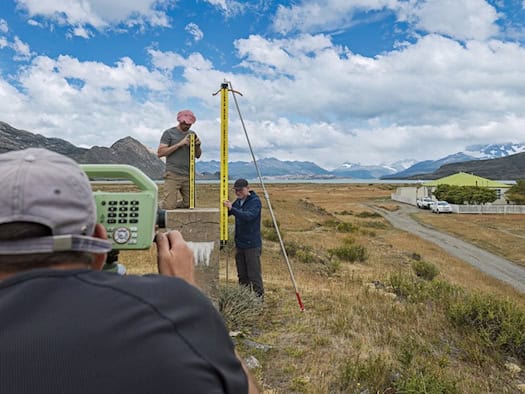
The ice in Patagonia is disappearing due to climate change. Researchers from Dresden and Leipzig are now using high-precision technology to measure how quickly this is happening. | more
Gute Nachrichten tun gut. In unserem freitäglichen Good Newsletter bündeln wir die Geschichten, die Mut machen, inspirieren und zeigen, was in Sachsen vorangeht. Jetzt abonnieren und positive Nachrichten direkt ins Postfach bekommen. | more
Water is becoming scarce in many cities. A new study shows that poor people in particular suffer from this and often pay the most. Researchers from the Helmholtz Center for Environmental Research were involved in the study. | more
Flying without kerosene – is that possible? In Kamenz, TU Dresden is testing how climate-friendly propulsion systems perform in real flight. A new research aircraft aims to bridge the gap between lab experiments and real-world use. | more
In jedem Verein, in jeder Straße, in jedem Treppenhaus gibt es diesen einen Menschen, der einfach da ist – ohne Bezahlung, ohne Applaus, oft ohne ein einziges Dankeschön. DIE SACHSEN NEWS startet eine neue Serie und sucht genau diese Menschen: Sachsens Alltagshelden. Und die Chancen stehen gut, dass Sie selbst schon eine oder einen kennen. | more
The two-degree target is widely seen as a safeguard against the worst impacts of climate change. But researchers from Leipzig and Dresden warn this confidence may be misplaced. Their study shows that extreme impacts – from droughts and wildfires to urban flooding – are possible even at moderate warming. | more
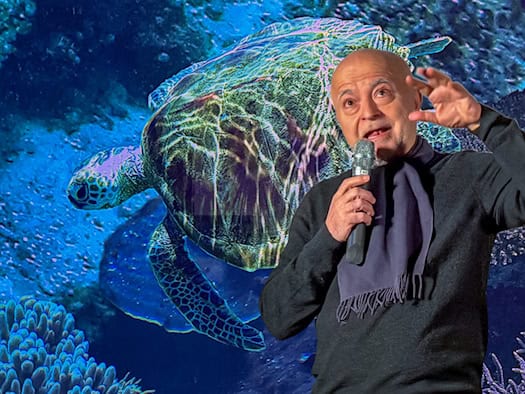
Yadegar Asisi opens the 360° panorama 'Great Barrier Reef' in the Panometer Dresden with improved lighting, composed sound and scientific accompaniment - impressive and cautionary at the same time. | more
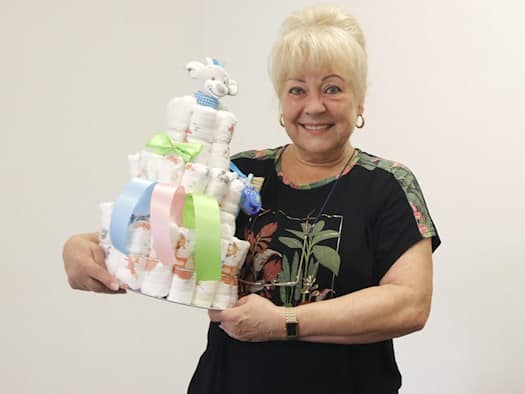
In Dresden-Pieschen fertigt Andrea Rehn im Zentralwerk personalisierte Geschenke für frischgebackene Eltern und deren Familien. Besonders gefragt sind bestickte Windeln mit Geburtsdaten sowie kreative Windeltorten – und das nicht nur online, sondern auch deutschlandweit über DM-Märkte. Jetzt gibt es 10 Prozent Rabatt im Shop. | more
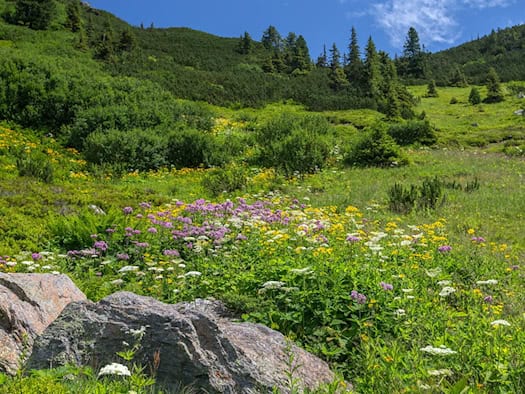
A silent change is underway on Europe’s mountain peaks. Cold-loving plants are disappearing there five times faster than in meadows or forests. In an international study, researchers from iDiv Leipzig and the Universities of Jena and Leipzig show that plant communities are not keeping pace with rising temperatures. Their findings suggest that the most visible changes may still be to come. | more
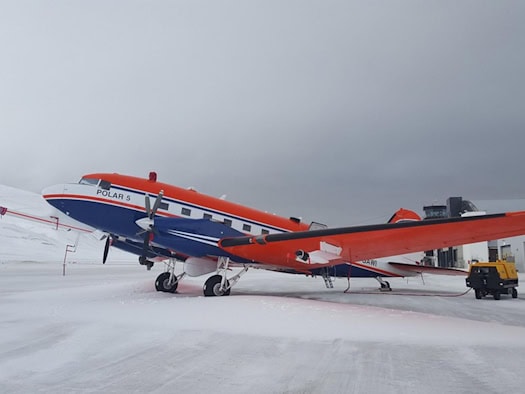
The Arctic is warming faster than any other region on Earth. An international research team, including scientists from Leipzig University, is now flying over Arctic sea ice to understand the role clouds play in this rapid warming. The polar research aircraft Polar 5 will reveal what satellites cannot measure. | more
Zahnbehandlungen können in Deutschland schnell zur finanziellen Belastung werden. Besonders bei Implantaten, Kronen, Brücken oder umfangreichem Zahnersatz liegen die Kosten häufig im vierstelligen Bereich. Viele Patienten stehen dann vor einer schwierigen Entscheidung: Behandlung durchführen lassen und hohe Eigenanteile zahlen – oder den Eingriff aufschieben, obwohl er medizinisch sinnvoll wäre. | more
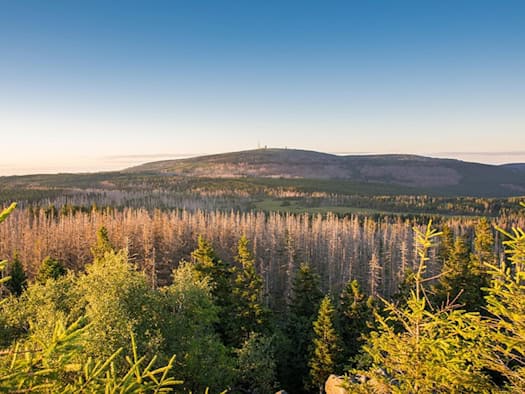
Bare slopes, dead spruce trees and brown patches: the damage in Europe’s forests is already visible today. A new study now shows how the situation could develop in the coming decades. The figures are alarming. For the first time, an international research team involving TU Dresden has calculated how fires, storms and bark beetles could shape Europe’s forests by 2100. | more
Which crop rotation protects the soil? What uses less fertilizer? A new, free online tool from the Helmholtz Center for Environmental Research in Leipzig helps farmers to answer such questions - before they make mistakes that cost them years. | more
Ein Glas Wasser kann mehr als den Durst löschen. Es kann nach Heimat schmecken. Oppacher Mineralwasser stammt aus elf eigenen Tiefbrunnen im Oberlausitzer Bergland. Die Bohrungen reichen bis zu 300 Meter tief in kristallines Granitgestein. Dort entsteht sein natriumarmes, sanft mineralisiertes Profil. | more
The green on Earth is increasing, but it is migrating. Researchers from Leipzig University, iDiv and the UFZ have calculated the Earth's "green center of gravity" for the first time. Their findings are surprising: the vegetation is shifting northwards in all seasons. What is behind this? | more