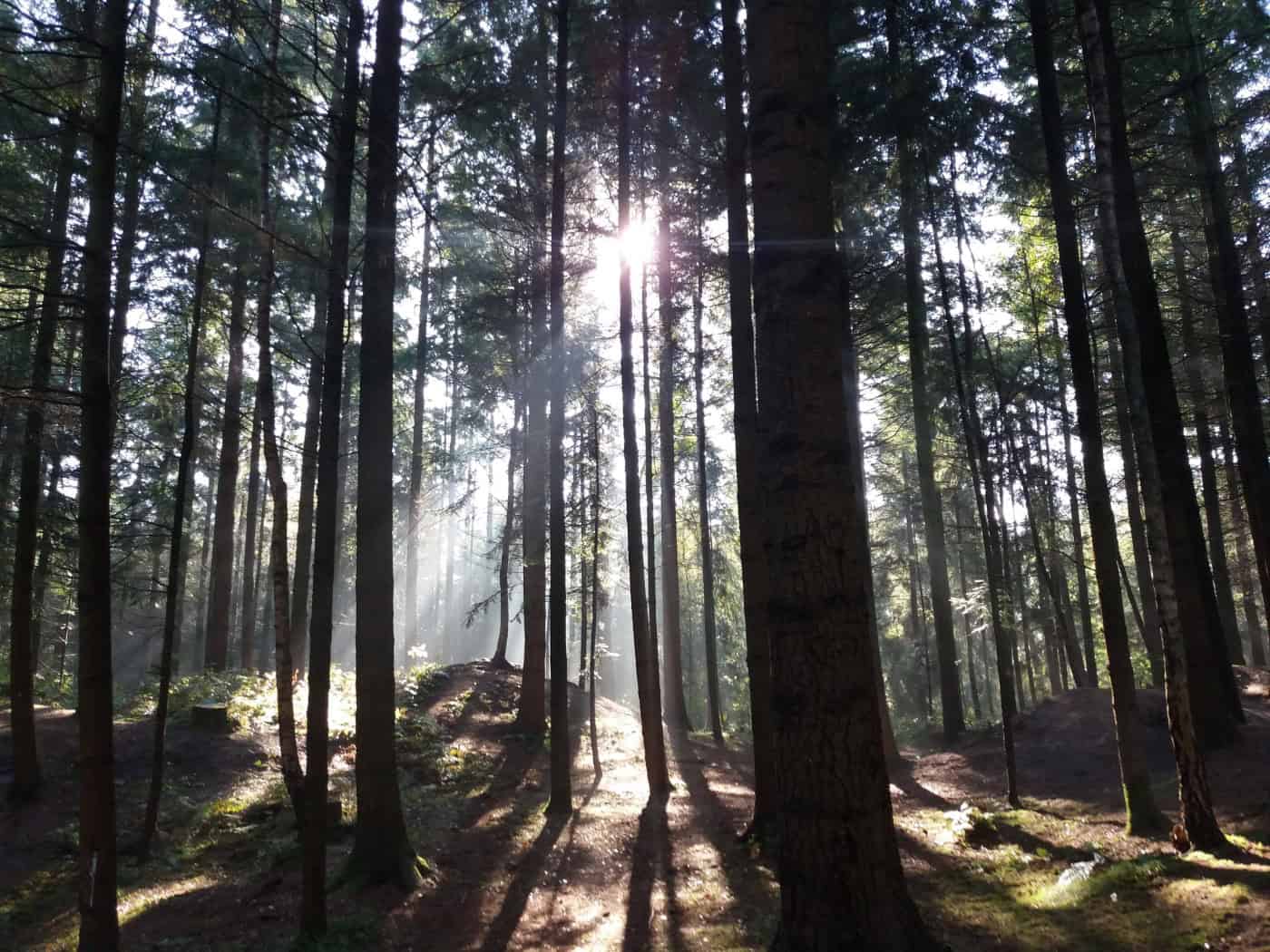
The table in the kitchen, the shelf in the living room, the wardrobe in the bedroom: wood surrounds us everywhere. The idea that it could also play an important role in climate protection may sound surprising at first. But this is exactly what a major international study, involving the German Biomass Research Center (DBFZ) in Leipzig, has now shown. The results were published in the scientific journal Communications Earth & Environment.
The key idea: Wood residues from sawing, construction, or logging should not be burned immediately. Instead, they should first be used to make products, such as chipboard or construction timber. Experts refer to this as the cascading use of wood. Only at the end of their life cycle are these materials used in power plants. There, something crucial happens: the CO₂ released during combustion is captured and permanently stored underground. This process is known as BECCS, short for bioenergy with carbon capture and storage.





A cycle that buys time for the climate
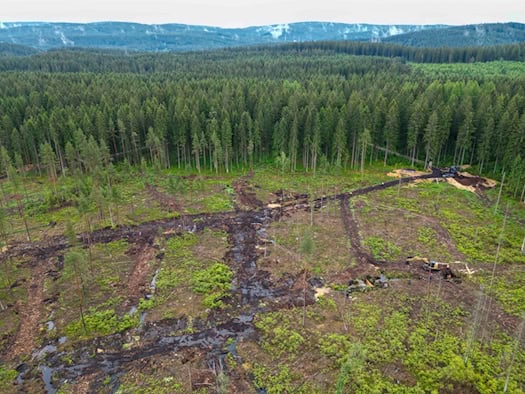
Building such infrastructure will take time, likely decades. This is precisely where the study’s approach comes in: the cycle makes use of this time. Wood waste is first turned into products, replacing CO₂-intensive materials and reducing emissions. When products such as chipboard or construction timber reach the end of their life, they are used to generate energy. The resulting CO₂ is then captured and permanently stored. At the same time, new trees grow in managed forests, absorbing CO₂ from the atmosphere. This is why forests are often referred to as carbon sinks. According to the study, this approach is more climate-friendly than burning wood residues immediately or leaving forests unmanaged.
Professor David Styles, co-author at the University of Galway, sees clear implications for policymakers: governments need to prioritize technologies for permanent CO₂ storage and create incentives for the circular use of wood in order to extend its role as a carbon store. The DBFZ has been leading an international research group on this topic together with the Swedish research institute RISE since 2022. Experts from Ireland, Sweden, Germany, Finland, the UK, and Australia contributed to the study..
The results are part of a global debate about the role wood can play in climate protection. It is widely accepted that wood can store carbon, for example in furniture or building materials, and replace more carbon-intensive alternatives. However, there is ongoing debate about how large this effect really is, especially if wood use increases. The new study points to a possible middle path. Wood is used in products for as long as possible and only later for energy. The resulting CO₂ is captured and permanently stored instead of being released back into the atmosphere. In this way, wood could not only reduce emissions but also help remove CO₂ from the air over the long term, provided forests are managed sustainably..
Original publication:
Bishop, G., Duffy, C., Berndes, G. et al. Cascading wood use into bioenergy with carbon capture and storage ensures continuous and enduring temperature reduction. Commun Earth Environ 7, 233 (2026).