


Why wild kittens should not be touched
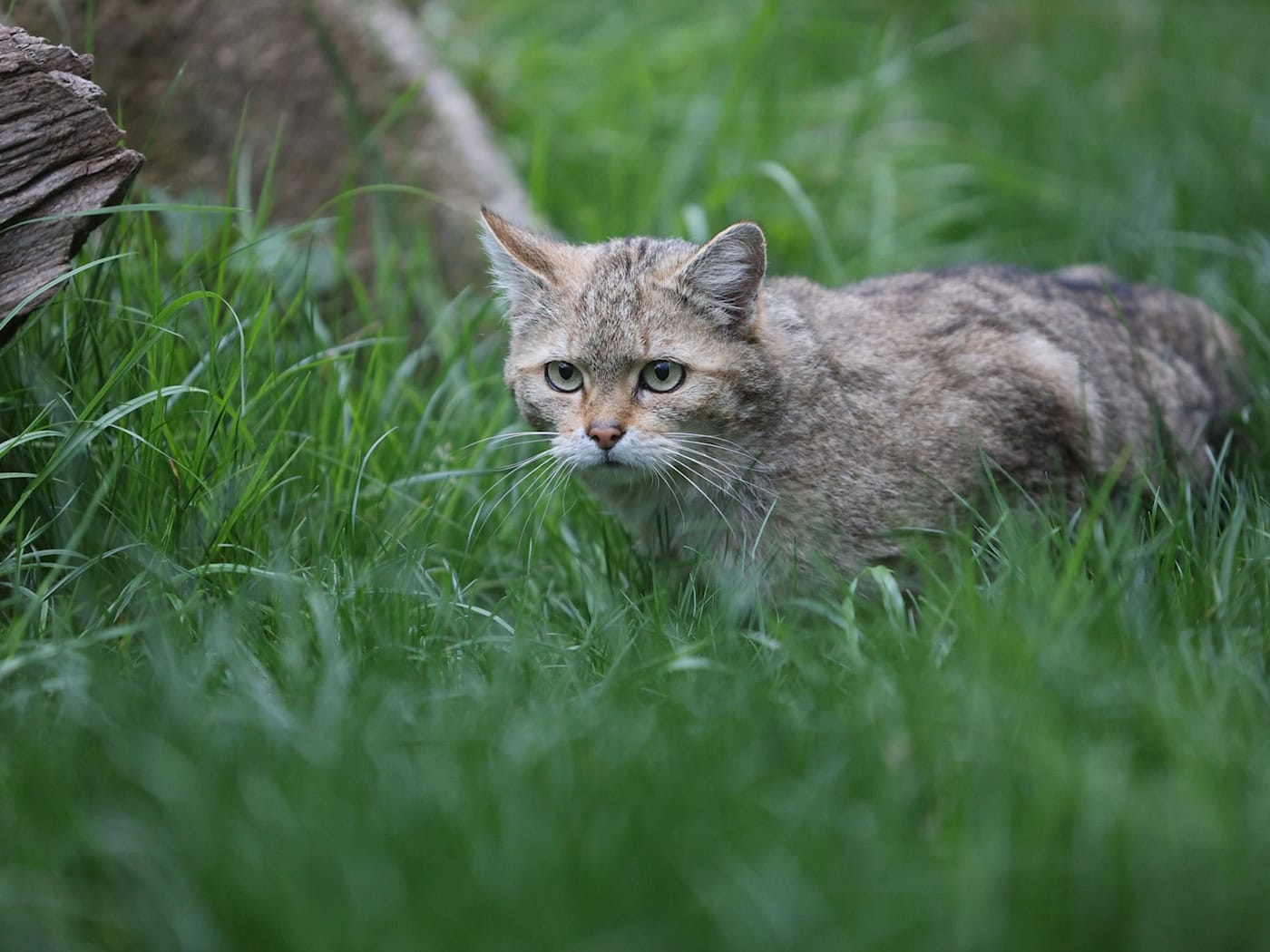
Even though there are more and more wild cats in Thuringia and Saxony, you should never take them with you. This can be life-threatening for the animals, according to the Bund für Umwelt und Naturschutz (BUND). Many walkers mistake the small, cute kittens for abandoned domestic kittens and take them home with them. "What looks like help is often the opposite: if a healthy wild kitten is taken home, its chances of survival are drastically reduced," says Friederike Scholz, coordinator of the "Wildcat Rescue Network" at BUND. "The animals are very sensitive, cannot tolerate normal cat food and can quickly become infected with diseases from domestic cats." The gray tabby wild cats look very similar to domestic cats that have run away. The mother also leaves her young behind while hunting for mice, whereupon the curious wild animals are often discovered playing. According to BUND, this often makes them appear helpless. If this is the case, Scholz has some advice for all finders: "If you find kittens that you think have been abandoned, move away quietly. Check after about six to twelve hours to see if the kittens are still there. If this is the case, call the BUND information hotline or a local wildlife rescue center." In Germany, the European wildcat is on the Red List and is classified as "endangered". It is therefore strictly protected. In Thuringia, according to BUND, they can be found in the Thuringian Forest, the Thuringian Slate Mountains and the Greiz-Werdauer Forest. In Saxony, there are populations in the Leipziger Auwald, the Werdauer Wald and the Dübener Heide. Copyright 2026, dpa (www.dpa.de). All rights reservedWild cats strictly protected

